
Another pitfall is overcooking the vegetables in the initial sauté. You want them softened but still with a little bite, as they will continue to cook in the oven. If you cook them until they’re completely soft on the stove, they can turn to mush in the final bake. Aim for tender-crisp.
Do not skip the step of letting the assembled casserole simmer on the stove for those 5 minutes before adding cheese and baking. This is when the rice absorbs the flavors and the sauce reduces slightly. Skipping it means a runnier final product where the flavors haven’t fully melded.
Finally, do not use pre-shredded bagged cheese if you can help it. It’s coated in anti-caking agents like potato starch that prevent it from melting as smoothly and can make the topping a bit grainy. Taking two minutes to shred a block of mozzarella and cheddar yourself results in a silky, perfectly melted cheese blanket.
Serving Suggestions
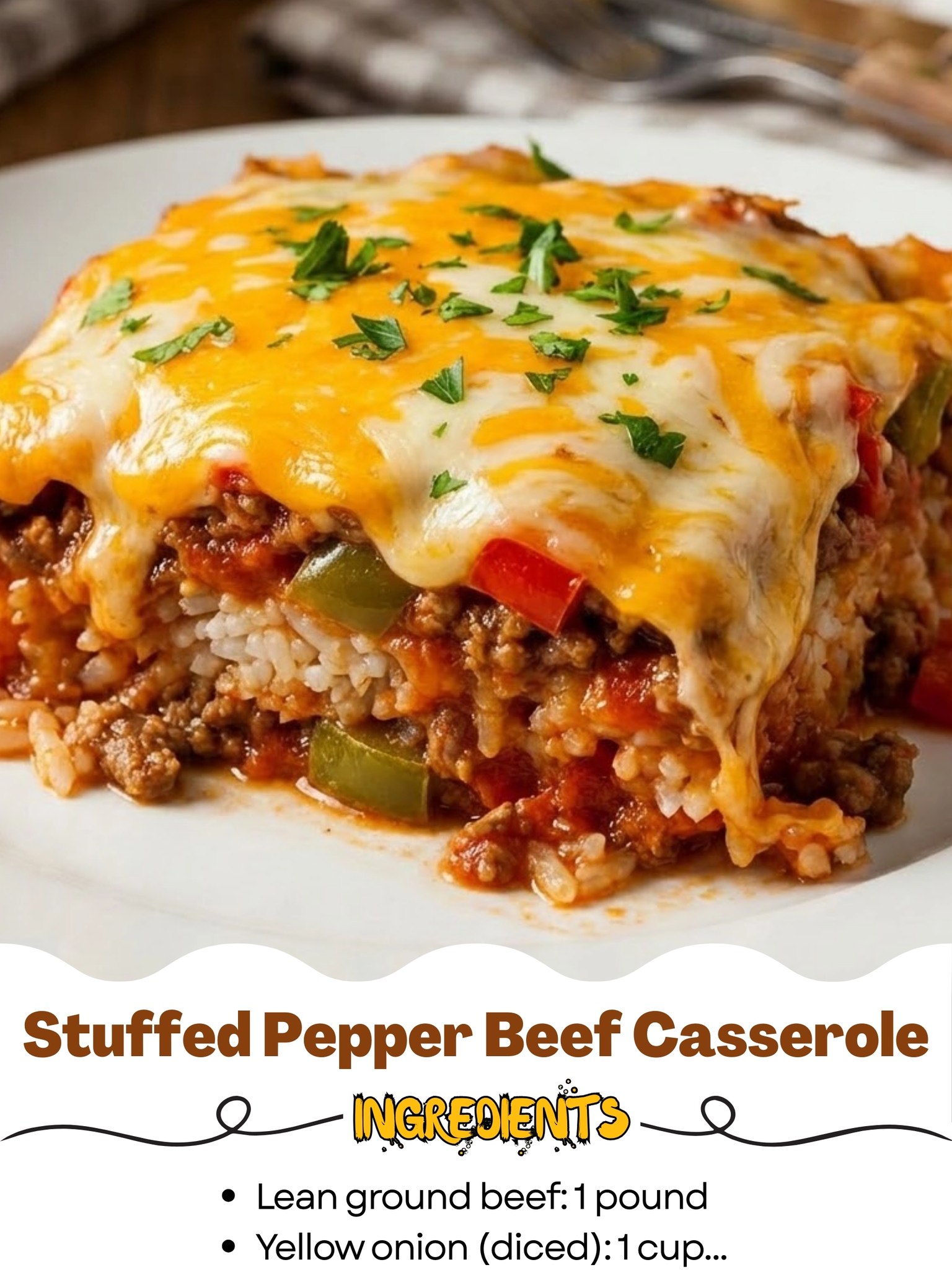
I love serving this casserole right from the skillet or baking dish at the table. A simple garnish of chopped fresh parsley or sliced green onions adds a pop of color and freshness. It’s a complete meal on its own, but a side of garlic bread or a simple green salad with a sharp vinaigrette is the perfect accompaniment to round it out.
For a fun, casual presentation, I sometimes serve it in individual bowls, almost like a deconstructed stuffed pepper soup. It’s especially great for kids or for keeping portions neat. A dollop of sour cream or a sprinkle of red pepper flakes on top lets everyone customize their bowl.
This is also my go-to dish for potlucks or taking to a friend in need of a meal. It travels well, holds its heat, and is universally loved. I’ll bake it in a disposable foil pan for easy transport and cleanup. It always comes home empty.
Variations & Customizations
For a “Mexican Stuffed Pepper” twist, use taco seasoning instead of the Italian herbs, swap the tomato sauce for enchilada sauce, and use a Monterey Jack and pepper jack cheese blend. Top with diced avocado and a squeeze of lime after baking. It’s a fantastic flavor spin that my family requests often.
To lighten it up, you can use ground turkey or chicken instead of beef, and swap the white rice for cauliflower rice (add frozen riced cauliflower in the last 5 minutes of simmering to heat through). The flavors are still fantastic, and it becomes a lower-carb option.
Add other veggies you have on hand. Diced zucchini, sliced mushrooms, or a cup of frozen corn kernels are all wonderful additions. Just sauté them with the peppers and onions. You can also stir in a drained can of black beans or kidney beans with the rice for extra protein and fiber.
How to Store, Freeze & Reheat
Leftovers keep beautifully. Once cooled, store the casserole in an airtight container in the refrigerator for up to 4 days. The flavors continue to develop, making the leftovers taste even better. I’ve found that it reheats wonderfully, making it perfect for packed lunches.
This casserole freezes exceptionally well for a future easy dinner. Assemble it completely (through the cheese topping) in a freezer-safe dish, wrap tightly in plastic and foil, and freeze for up to 3 months. Thaw overnight in the fridge before baking as directed, adding a few extra minutes if needed.
To reheat, I prefer the oven for the best texture. Cover the desired portion with foil and warm at 350°F for 20-25 minutes, until heated through. The microwave works (2-3 minutes, stirring halfway), but it can make the rice a bit soggy. The oven method keeps the cheese nice and the texture perfect.
Conclusion
This Stuffed Pepper Beef Casserole is the ultimate weeknight hero in my kitchen. It took a beloved but time-consuming classic and turned it into a simple, dependable, and utterly delicious one-pan meal. I hope it brings the same warmth and satisfaction to your table that it does to mine, and that it gives you back some precious time on busy evenings. Now, go dice those peppers and get ready for the easiest, coziest dinner.