
Avoid overmixing the cake batter after adding the flour. Once you begin adding the flour and buttermilk, mix only until just combined. Overmixing develops the gluten, leading to a tough, dense cake that can’t properly support the rich frosting. A few small lumps are far better than an overworked batter.
Don’t try to frost a warm cake. The residual heat will melt the caramel frosting, causing it to slide right off the sides and create a puddle around the base. Your cake layers must be completely cool to the touch. I’ve even popped them in the fridge for 30 minutes to be sure.
Finally, do not substitute the buttermilk. The acidity in buttermilk tenderizes the crumb and reacts with the baking soda for a perfect rise. Using regular milk will give you a flatter, less flavorful cake. If you’re in a pinch, you can make a “sour milk” by adding 1 tablespoon of white vinegar or lemon juice to a cup of milk and letting it sit for 5 minutes.
Serving Suggestions
I like serving this cake at room temperature, sliced into modest portions—it’s incredibly rich. A glass of cold milk, a strong cup of black coffee, or a nip of bourbon are the perfect accompaniments. The sharpness of the coffee or the warmth of the bourbon cuts through the sweetness beautifully.
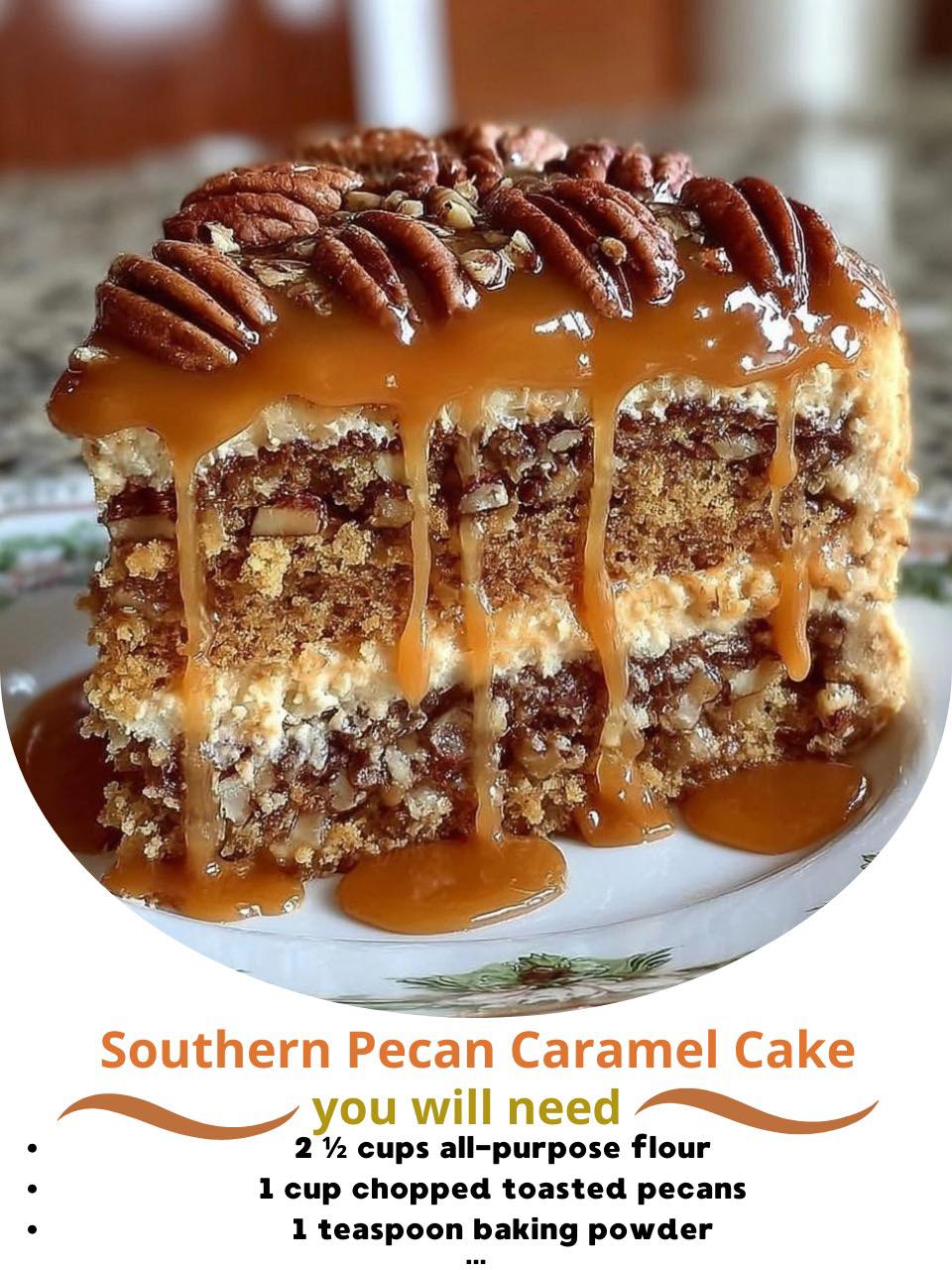
For a stunning presentation, I garnish the top with a ring of perfect pecan halves and a very light sprinkle of flaky sea salt. The salt enhances all the caramel and nutty flavors. Serve it on a beautiful cake stand to let its glossy, rustic beauty shine.
This is the ultimate special-occasion cake for holidays, birthdays, or any gathering where you want to impress. It’s a centerpiece. I always make it a day ahead; the flavors meld and the frosting settles into the cake, making it even more moist and delicious.
Variations & Customizations
For a deeper flavor, use half dark brown sugar and half light brown sugar in the frosting. It gives a more intense molasses note that’s wonderful in the fall. I’ve also added a tablespoon of bourbon to the caramel after removing it from the heat for a true Southern twist.
If you love texture, try adding ½ cup of toasted coconut to the cake batter along with the pecans. The coconut toasts in the oven and adds another wonderful layer of flavor that pairs excellently with the caramel.
For a “praline” version, you can add a cup of chopped, soft caramels to the frosting once it’s off the heat. Let them melt in, then proceed. It creates an even chewier, more intensely caramel-flavored frosting that is absolutely divine for true caramel lovers.
How to Store, Freeze & Reheat
Store the cake under a cake dome or loosely covered with foil at room temperature for up to 3 days. The caramel frosting does best at room temp; refrigeration can cause it to weep or become too hard. If your kitchen is very warm, you can refrigerate it but let slices come to room temperature for an hour before serving.
You can freeze the unfrosted cake layers beautifully. Wrap each cooled layer individually in plastic wrap, then foil. Freeze for up to 2 months. Thaw overnight in the refrigerator before frosting. The frosting itself does not freeze well, as it can separate when thawed.
I do not recommend reheating this cake. It is meant to be enjoyed at room temperature. If it has been refrigerated and the frosting is too firm, simply let it sit out until the frosting softens to its ideal fudgy texture.
Conclusion
The Southern Pecan Caramel Cake is a masterpiece of patience and flavor. It’s a rewarding baking project that yields a dessert of legendary status. I hope this recipe brings a sense of accomplishment and a whole lot of sweet, nutty, caramel joy to your kitchen and your table. So, toast those pecans, watch that caramel closely, and get ready to create a cake that tastes like a hug from the South. Happy baking