
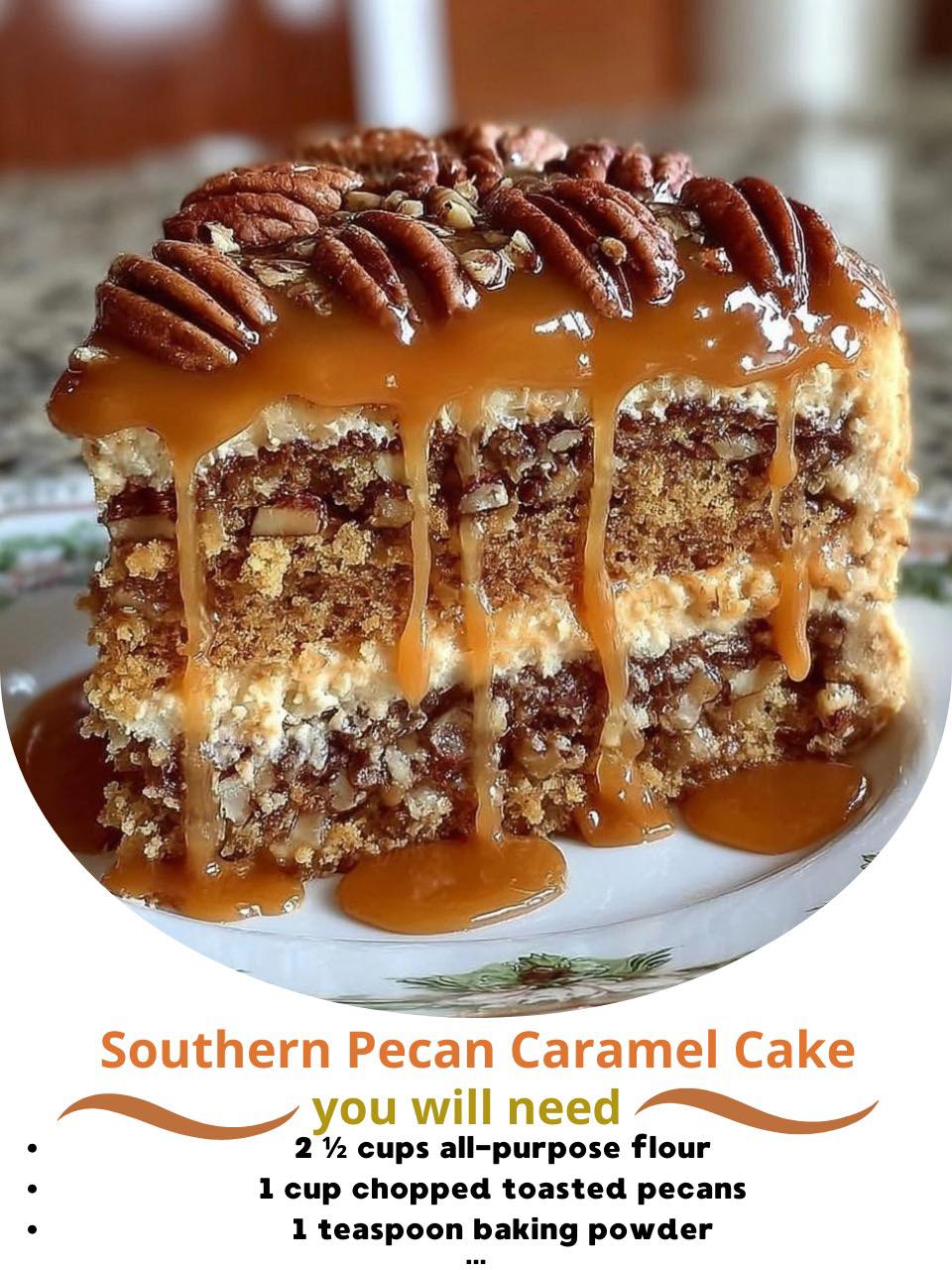
Remove the caramel from the heat and stir in the vanilla and salt. Let it cool for about 20-25 minutes, until it’s still warm but not hot. Gradually beat in the sifted powdered sugar with a mixer on low speed until the frosting is thick, spreadable, and has lost its sheen. It will be like a thick, fudgy paste. Work quickly now, as it sets fast. Place your first cake layer on a plate, spread a thick layer of frosting, add the second layer, and frost the top and sides. I use an offset spatula to create a rustic, swirly look. Immediately press the reserved toasted pecans onto the sides or just on top before the frosting sets.
Pro Tips for Best Results
For the most foolproof caramel, use a light-colored saucepan. A dark pot makes it impossible to see the color change, which is a key indicator. I tested this in both, and the light pot gave me perfect caramel every time. Watch for the mixture to go from bubbly and thin to thicker with smaller, more rapid bubbles.
When adding the powdered sugar to the caramel, sift it without fail. I skipped this once, and the frosting was lumpy no matter how much I mixed. Adding the sugar gradually while the mixer is on low prevents a powdered sugar cloud and ensures a silky-smooth, lump-free texture. Start with 3 cups and add more only if needed to reach a thick, spreadable consistency.
Have everything ready for assembly—the cake layers leveled, the plate ready, the extra pecans measured. The frosting sets as it cools, so you need to move with purpose once it’s ready. If it does begin to harden in the bowl, you can gently re-warm it over a double boiler for a few seconds to loosen it.
Common Mistakes to Avoid
Do not add the powdered sugar to hot caramel. I made this mistake, eager to get frosting. The heat melted the sugar into a gritty, runny mess that never set properly. Letting the caramel base cool for that 20-25 minutes is absolutely critical. It should be warm to the touch, not scalding.(See the next page below to continue…)