
Next, I work on the meat mixture. In a separate, larger bowl, I combine the ground beef, ground pork, egg, breadcrumbs, garlic powder, onion powder, salt, pepper, and paprika. I use my hands to mix everything just until combined. I’ve learned the hard way that overmixing makes meatballs dense, so I try to handle the meat as gently as possible. The mixture should feel slightly sticky but not overly wet. If it seems too loose, I add a touch more breadcrumbs.
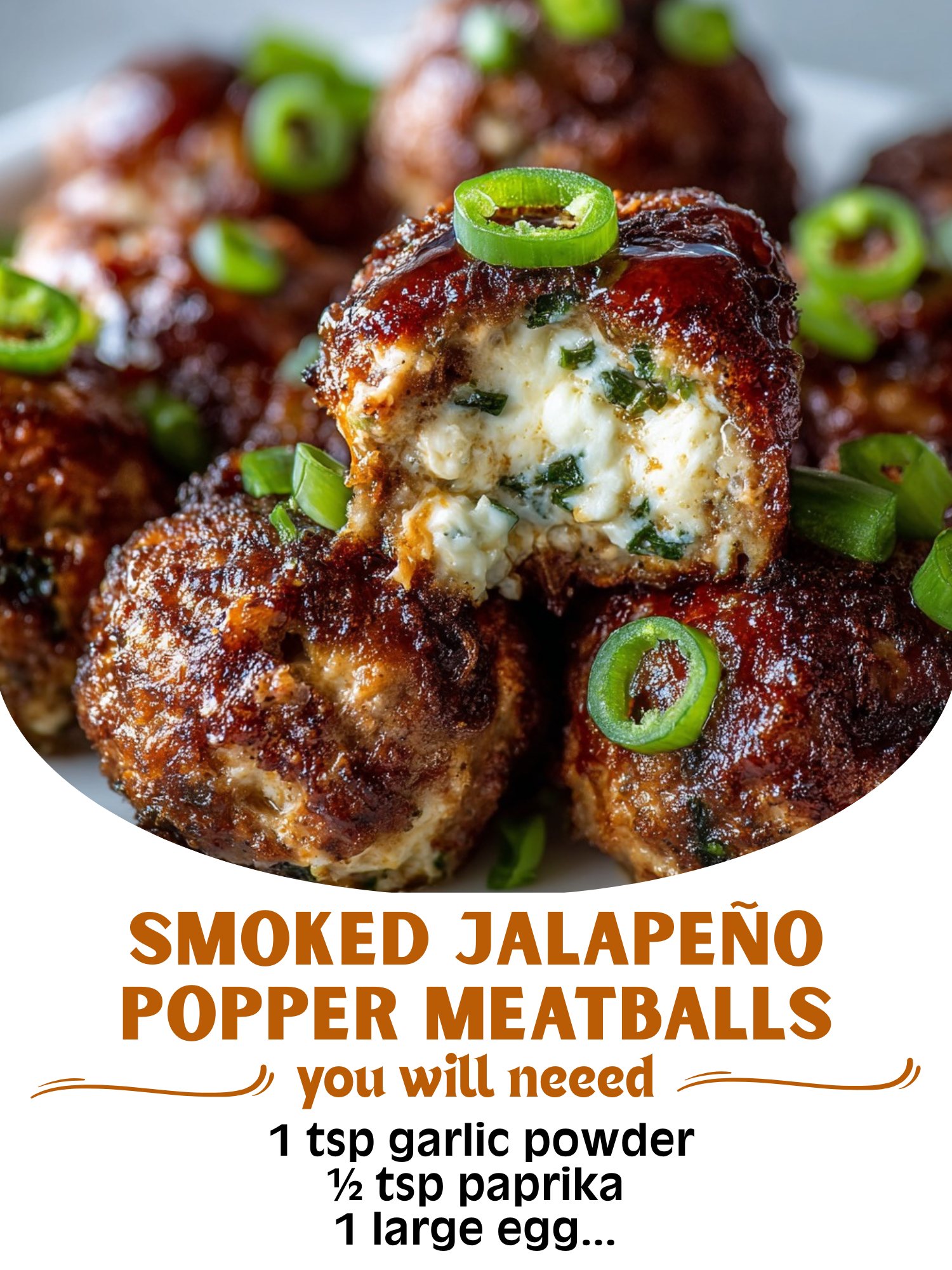
Now comes the fun part: assembling the meatballs. I take a small scoop of the meat mixture, flatten it in my hand, and create a small bowl-like shape. Then I grab a teaspoon of the chilled filling and nestle it right into the center. I fold the meat around the filling, sealing it completely so none of the cheesy center escapes during cooking. This step is oddly therapeutic, and once you get in a rhythm, it goes faster than you’d expect. I place each meatball onto a parchment-lined tray as I work.
Once all the meatballs are assembled, I preheat my smoker to 250°F. There’s something magical about watching the thin curls of smoke rise as the smoker warms up — it already sets the mood for a great meal. I place the meatballs on the smoker, spacing them slightly apart so the smoke can circulate around each one. They begin absorbing that woodsy aroma almost immediately, and after about an hour, the exterior turns a beautiful deep brown. Right before they’re done, I brush them with a little barbecue sauce to create a glossy, caramelized finish. They come off the smoker sizzling, juicy, and impossibly tempting.
Pro Tips for Best Results
One of the biggest lessons I learned when testing this recipe was not to overload the filling. I tried stuffing them with big, heaping scoops of cream cheese once, and all it did was leak out and make a mess in the smoker. A teaspoon is just the right amount — it melts perfectly and stays inside the meatball. Another trick I love is chilling the filling for 5–10 minutes before working with it. It firms up just enough to help you shape the meatballs without it squishing out of your hands.
I also tested different wood types for smoking, and the one that consistently gives the best flavor is hickory. It complements the bacon and jalapeño beautifully without overpowering the cream cheese. Applewood is a close second for a sweeter, milder smoke. If you want a deeper, richer exterior color, lightly spritzing the meatballs with apple juice halfway through cooking helps create a gorgeous glazed crust.
Another thing I learned from trial and error is that you don’t want the smoker too hot. I tried rushing the process once at 325°F, and while the meatballs cooked faster, the outside dried out before the filling melted properly inside. Keeping the temperature between 250°F and 275°F gives you perfect results every time. And lastly — don’t skip the barbecue glaze. It may seem optional, but it adds a sticky, sweet-smoky layer that ties everything together beautifully.
Common Mistakes to Avoid
The first mistake I made with these meatballs was not sealing them tightly enough. If the filling isn’t fully enclosed, it leaks out, and you end up with hollow meatballs and a messy tray. Take a few extra seconds to pinch the meat together around the filling. Another common error is packing the meat mixture too tightly. It might feel like you’re making a sturdy meatball, but overly compressed meat becomes tough during cooking.
Another mistake is using too lean of a meat blend. Ground pork naturally adds fat, but if your ground beef is very lean, the meatballs risk drying out during the smoking process. I always reach for an 80/20 blend because the extra fat keeps everything moist. If you must use leaner beef, adding a tablespoon of olive oil helps prevent dryness.(See the next page below to continue…)