
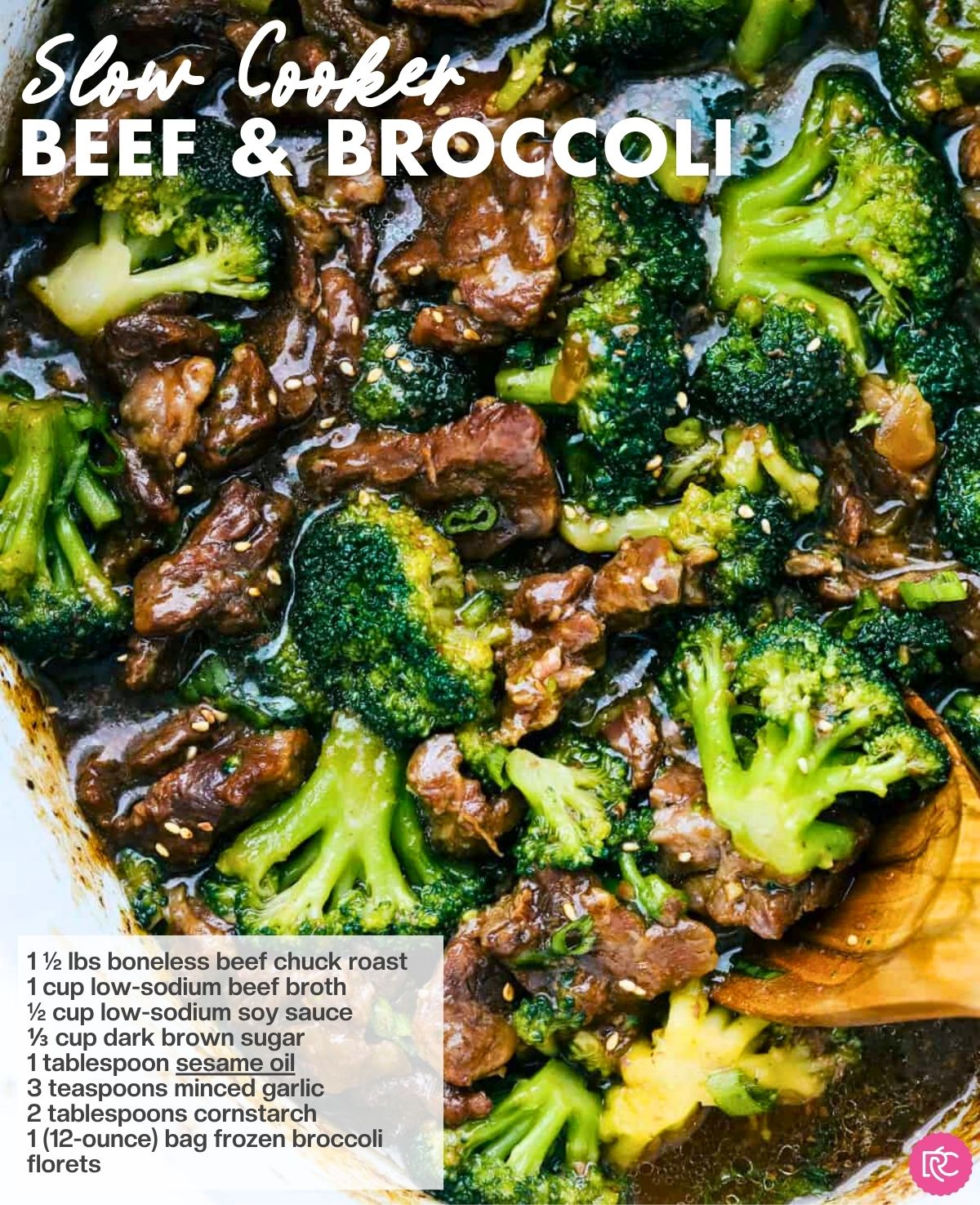
The very first time I made Slow Cooker Beef and Broccoli, my entire kitchen filled with the kind of savory aroma that makes you stop everything, close your eyes, and breathe it in like a moment of pure comfort. I remember lifting the slow cooker lid after a few hours and being hit with that irresistible mix of soy, garlic, ginger, and slow-cooked beef—it was one of those times where I knew instantly that this recipe would become part of my regular rotation.
There’s something magical about throwing a few simple ingredients into the crockpot early in the day and later discovering a rich, saucy, tender beef dish that tastes like takeout but feels homemade down to the last bite. Every time I make this recipe, it reminds me how satisfying it is when big flavor comes from minimal effort, and honestly, that’s my favorite kind of kitchen win.
Why You’ll Love This Recipe
You’ll love this recipe because it gives you restaurant-level beef and broccoli with almost no effort, and since I’ve made it countless times myself, I can promise you that the flavor payoff is huge for such a simple slow-cooker dish; it’s tender, saucy, comforting, reliable, and always a crowd-pleaser—even on your busiest days.
Ingredients
- 1 ½ pounds flank steak or skirt steak, thinly sliced
- 1 cup beef broth
- ½ cup low-sodium soy sauce
- ⅓ cup brown sugar
- 4 cloves garlic, minced
- 1 tablespoon grated fresh ginger
- 2 tablespoons cornstarch
- 2 tablespoons water
- 4 cups fresh broccoli florets
- 2 tablespoons sesame oil (optional)
- Cooked rice, for serving
When it comes to substitutions, I’ve tested this recipe with sirloin and chuck roast as well—flank or skirt steak still gives the best texture, but sirloin works beautifully if that’s what you have. I always recommend using fresh broccoli instead of frozen, because frozen broccoli tends to get mushy in the slow cooker; trust me, I’ve tried it both ways, and fresh florets hold up so much better. Using low-sodium soy sauce helps keep the flavor balanced, and the sesame oil is optional but adds that lovely nutty aroma I personally adore.
Equipment Needed
- Slow cooker (at least 4 quarts)
- Cutting board
- Sharp knife
- Measuring cups
- Measuring spoons
- Mixing bowl
- Whisk
A slow cooker is essential here because it gently breaks down the beef and lets the flavors deepen without hovering over a stove. If your knife is nice and sharp, slicing the beef thinly becomes much easier—don’t skip that because thin slices are what make the beef so tender. I like to whisk the sauce ingredients together in a small bowl first instead of adding them separately; it blends better and prevents the brown sugar from clumping, a mistake I learned the hard way during my early attempts.
Step-by-Step Instructions
Whenever I start this recipe, the first thing I do is slice the beef very thinly—almost shaved. I found that slicing against the grain makes an enormous difference in tenderness, and every time I’ve rushed that step, the final texture wasn’t quite as melt-in-your-mouth.
Once the beef is sliced, I whisk together the beef broth, soy sauce, brown sugar, garlic, and ginger. The aroma of the ginger and garlic alone is enough to make me excited for the final dish, and mixing everything beforehand helps ensure the sauce distributes evenly throughout the slow cooker.
After that, I place the sliced beef into the slow cooker and pour the sauce mixture over it, making sure every strip is coated. You don’t need to stir too much—just press it down gently so the beef is mostly submerged.
I usually set the slow cooker on low for about five hours, which gives the beef time to soften slowly. I’ve tried cooking it on high for three hours when I’ve been short on time, and while it still works, low heat definitely yields that fall-apart tenderness I love.
About thirty minutes before serving, I whisk the cornstarch and water together in a small bowl to create a slurry. I’ve learned never to add dry cornstarch directly to the pot—it clumps instantly and never fully dissolves. Once the slurry is smooth, I stir it into the slow cooker to help thicken the sauce. Then I add the fresh broccoli florets right on top. I don’t push them down too far into the sauce because they steam beautifully when left sitting on the surface, creating crisp-tender broccoli instead of mushy pieces.
Finally, after about 20–30 minutes, the sauce thickens, the broccoli softens just enough, and the entire dish becomes wonderfully glossy and fragrant. I always give everything a gentle stir before serving and sometimes drizzle in a little sesame oil for extra depth. The first taste is always the best part—the beef is fork-tender, the broccoli still has life to it, and the sauce clings perfectly to every bite.
Pro Tips for Best Results
The first time I tested this recipe, I made the mistake of slicing the beef too thickly, and the difference was huge—thin slices really do give you that classic takeout-style tenderness. If you’re having trouble getting thin slices, try freezing the beef for about 20 minutes beforehand; it firms up and becomes dramatically easier to cut. I always do this now because the results are consistently better.
Another important lesson I learned is to avoid adding the broccoli too early. I know it’s tempting to toss everything in at once and walk away, but when I tried that, the broccoli turned into soft green mush. Adding it during the last 30 minutes keeps it vibrant, crisp-tender, and visually appealing. Trust me, it’s worth waiting for.
I also tested several different thickening methods, and cornstarch slurry remains the easiest and most reliable. I once sprinkled cornstarch directly over the pot out of laziness, and it created gummy lumps that never dissolved—definitely not worth the shortcut. Mixing it with water first gives you a smooth, glossy sauce every time.
Finally, if you want deeper flavor, you can sear the beef slices briefly before adding them to the slow cooker. I’ve done this on days when I’ve had extra time, and the caramelization adds a wonderful richness. It’s totally optional, but if you love layered flavor, give it a try at least once.
Common Mistakes to Avoid
The biggest mistake to avoid is cooking this on high heat for too long. I once forgot to switch my slow cooker from high to warm after three hours, and the beef ended up tougher than usual. Slow and steady really does win the race here. Stick to low heat if you want fork-tender beef that practically melts in your mouth.
Another common mistake is using frozen broccoli in place of fresh. I’m all for convenience, but every time I’ve tried using frozen florets, they turned watery and mushy and ended up dulling the sauce. Fresh broccoli holds its texture and color far better—so don’t substitute unless you absolutely must.
Adding salt before tasting is also a mistake I’ve made. Because the soy sauce and au jus mix already contain salty components, you might end up overseasoning without meaning to. I always taste toward the end before adding even a pinch of extra salt. This way the dish stays well-balanced rather than overly salty.
One more mistake to avoid is overcrowding the slow cooker. If you double the recipe, make sure your slow cooker is large enough; otherwise, the beef won’t cook evenly, and some pieces may stay tough while others get too soft. When I tested a double batch in a smaller crock, it didn’t cook consistently—lesson learned.
Serving Suggestions
I almost always serve Slow Cooker Beef and Broccoli over a bowl of fluffy white rice because the sauce soaks into the rice so beautifully. The tender beef mixed with the rice creates that perfect bite where everything blends together. When I’m craving something heartier, I use jasmine rice or even sticky rice to recreate a takeout-style experience right at home.
Sometimes I switch things up by serving it over noodles, especially lo mein or wide rice noodles. The glossy sauce clings to the noodles in a way that feels incredibly satisfying. If I’m making a bigger dinner, I’ll also add a side of egg rolls or dumplings to round out the meal—my family loves when I go the extra mile.
For a lighter version, I spoon the beef and broccoli over cauliflower rice. It soaks up the sauce without adding extra carbs, and the flavor still shines through wonderfully. I often do this when I’m meal-prepping because it reheats really well throughout the week.
If you want to serve it more creatively, try spooning it into lettuce wraps. The crisp, cool lettuce contrasts beautifully with the warm beef and savory sauce. I’ve served it this way for guests, and it always gets compliments for being fresh, flavorful, and fun.
Variations & Customizations
One variation I personally love is adding sliced mushrooms halfway through cooking. They absorb the sauce and become incredibly tender, adding earthiness that pairs wonderfully with the beef. I’ve also tried adding carrots during the last hour for extra color and sweetness, and they were a hit with everyone at the table.
If you want more heat, add a drizzle of sriracha or sprinkle in some red pepper flakes when you mix the sauce ingredients. I’ve done this when cooking for friends who enjoy a kick, and it transforms the dish into a spicy, comforting bowl that warms you up instantly.
For a sweeter version, especially if kids are eating, adding a touch more brown sugar works beautifully. Once, when I ran out of brown sugar, I substituted honey and the flavor was richer and slightly floral—definitely a variation worth trying if you enjoy a hint of sweetness.
You can also swap the beef for chicken or pork. The sauce works with all three proteins, though beef remains my favorite for its tenderness and depth. When I tried it with chicken thighs, the dish turned out lighter but still delicious, especially when served over rice noodles.
How to Store, Freeze & Reheat
When storing leftovers, I always keep the beef and broccoli in an airtight container in the refrigerator for up to four days. The flavors deepen as they sit, and the sauce thickens slightly, which makes it amazing for next-day lunches. Be sure to store the rice separately if you’ve already cooked it so nothing becomes mushy.
Freezing works wonderfully, too—just freeze the beef and sauce without the broccoli. I learned this through trial and error; frozen broccoli becomes mushy when reheated. I freeze the beef in single portions in small containers or bags, then add freshly steamed broccoli when serving. It tastes just like the day I made it.
To reheat, I warm the beef and sauce gently on the stovetop or in the microwave with a splash of water or broth to loosen the sauce. I’ve noticed that reheating too quickly can dry the beef out, so I prefer low heat. Adding fresh broccoli at the end keeps the texture vibrant and makes the dish feel newly made.
If reheating from frozen, I let the beef defrost in the refrigerator overnight. This keeps the texture tender and prevents the sauce from separating. Once warmed and combined with new broccoli, it becomes a quick, satisfying meal that’s ideal for busy days.
Nutrition Information
Slow Cooker Beef and Broccoli is a protein-packed dish that feels indulgent but can easily fit into a balanced diet. The beef provides protein and iron, while the broccoli adds fiber, vitamins A and C, and antioxidants. When I want a lighter meal, I use less sauce over cauliflower rice, which still tastes satisfying and wholesome.
The sauce does contain brown sugar and soy sauce, so if you’re monitoring your sodium or sugar intake, you can tweak these amounts. I’ve made a reduced-salt version using low-sodium soy sauce and cutting the brown sugar slightly, and the flavor still turned out robust and delicious. It’s one of those recipes that forgives small adjustments.
Because the dish uses lean cuts like flank steak, the fat content isn’t overly high. Adding sesame oil or serving the dish with rice does increase calories, but it’s easy to adjust portion sizes. I usually keep my portions mindful when I pair it with rice and load up on extra broccoli to balance it out.
Overall, it’s a nutrient-rich dish with plenty of protein, wholesome greens, and customizable elements. With small tweaks, you can make it as light or hearty as you prefer, which is why it works so well for both everyday meals and weekend comfort dishes.
FAQ Section
1. Can I use frozen broccoli?
I’ve tried using frozen broccoli, and it always turned mushy, so I strongly recommend using fresh broccoli—it holds its shape, color, and texture so much better in the slow cooker.
2. Can I prep this recipe the night before?
Absolutely—I often slice the beef and whisk the sauce the night before, then store them separately in the fridge. In the morning, I toss everything into the slow cooker, and it makes my day so much easier.
3. Can I double this recipe?
Yes, but only if your slow cooker is large enough. I once tried doubling in a smaller crock, and the beef didn’t cook evenly. Use a 6-quart slow cooker or larger for best results.
4. What’s the best way to make this gluten-free?
Just use gluten-free soy sauce (or tamari), and make sure your beef broth and cornstarch are gluten-free. I’ve made it for friends with sensitivities, and it turns out fantastic.
5. Can I make this without sugar?
You can reduce the sugar or use honey instead. I’ve tried both adjustments, and the dish was still flavorful, though slightly less sticky-sweet. It’s flexible enough to handle small changes.
Conclusion
Slow Cooker Beef and Broccoli has become one of those recipes I rely on whenever I want something comforting, flavorful, and low-effort, and every time I make it, I’m reminded how satisfying a simple, homemade meal can be. It’s tender, saucy, and unbelievably easy—everything I want in a weeknight dinner—and I hope it becomes a favorite in your kitchen just like it is in mine.