
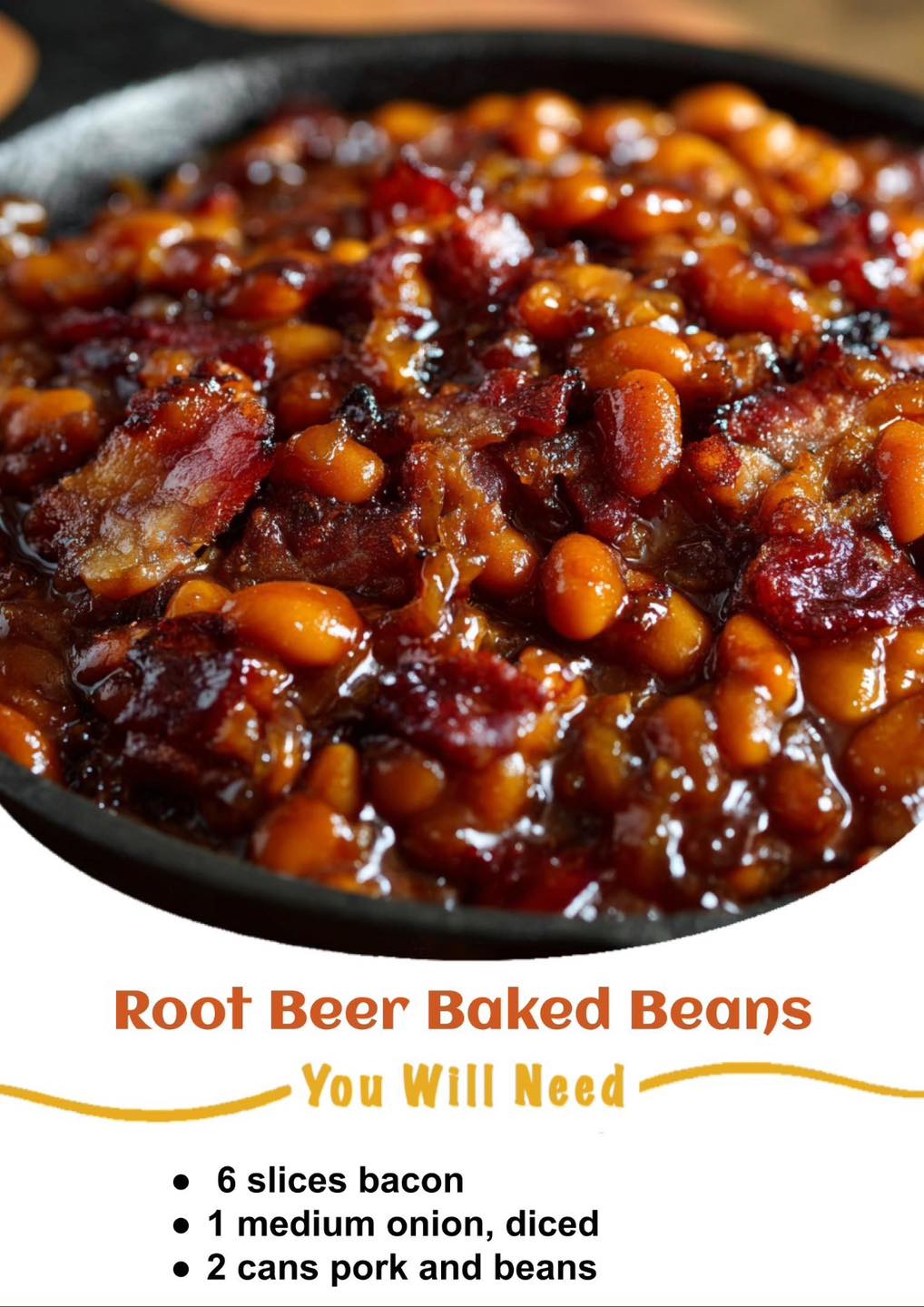
I let the beans bake, covered, for 45 minutes. This initial covered time allows the flavors to meld deeply without reducing the sauce too much. Then, I remove the lid and let them bake uncovered for another 30-45 minutes. This is the crucial step where the magic happens. The sauce reduces, thickens, and caramelizes around the beans, creating a sticky, shiny, irresistible glaze. I watch for the top to get bubbly and darken slightly. When they’re done, I sprinkle the remaining reserved bacon on top for a final hit of salty crunch.
Pro Tips for Best Results
The type of root beer matters. Use a good, full-flavored brand. I avoid anything with a strong wintergreen or artificial aftertaste. A classic, creamy root beer gives the best caramelized flavor. The sugars in the soda are what create that beautiful, glossy reduction, so don’t be tempted by sugar-free alternatives.
Don’t rush the uncovered baking time. This is where the sauce transforms from a soup into a glaze. The beans are done when the sauce is thick enough to coat the back of a spoon and has reduced by about a third. If you pull them out too early, they’ll be runny. I check them at the 30-minute mark and go from there.
For an even deeper flavor, you can do the first part entirely on the stovetop. After bringing everything to a simmer, reduce the heat to low, cover, and let it simmer gently for an hour, stirring occasionally. Then, uncover and simmer for another 30-40 minutes until thickened. This is a great alternative if your oven is busy.
Common Mistakes to Avoid
My first batch was far too sweet because I used a vanilla cream soda instead of root beer. The flavor profile was all wrong. Stick with a classic, sassafras-based root beer for that distinct, spicy-sweet backbone that complements the smokiness of the bacon and barbecue sauce so perfectly.(See the next page below to continue…)