
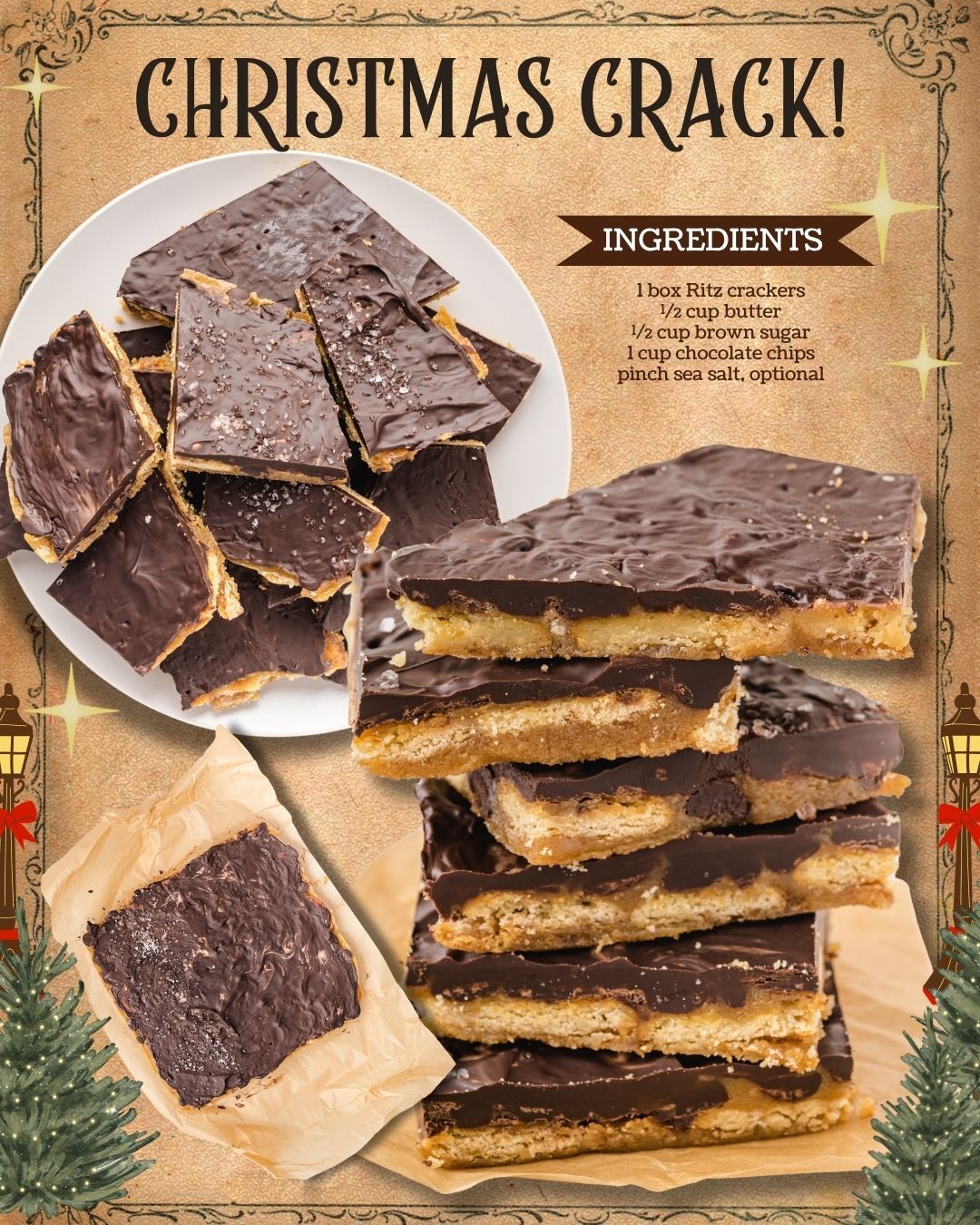
Once the toffee reaches that perfect bubbling stage, I carefully pour it over the crackers, working quickly to cover as many as possible before it thickens. Then I pop the tray into a preheated oven and bake for about five minutes. This step helps the caramel soak into the crackers and gives them that irresistible crunchy texture. When I take the tray out, the toffee is bubbling at the edges and the whole kitchen smells amazing.
While the tray is still hot, I immediately sprinkle chocolate chips over the top. They soften within minutes, and I gently spread them into a shiny chocolate layer. Sometimes I add a pinch of flaky sea salt right on top, and it makes the chocolate sparkle a bit as it melts. Once everything is perfectly smooth, I transfer the tray to the fridge or freezer to set. After about an hour, the toffee cracks apart into beautiful, jagged pieces that look like rustic candy shards.
Pro Tips for Best Results
One thing I learned after making this several times is to avoid boiling the butter-sugar mixture too aggressively. If the heat is too high, the toffee can separate or burn, giving you a gritty texture. A gentle simmer produces the smoothest results and gives the crackers that perfect caramel coating.
Another tip is to work fast once the toffee is ready. The mixture begins to set quickly, so pour it evenly and don’t stress about perfection. The beauty of Ritz Cracker Toffee is its rustic, homemade charm. If you try to fuss with it too much, the caramel cools and becomes harder to spread, leading to uneven texture.
I’ve also learned that quality chocolate makes a big difference. In one batch, I used an older bag of chocolate chips that had been sitting in my pantry forever, and the chocolate didn’t melt smoothly. Using fresh chocolate—whether chips or chopped bars—creates the best melt and the prettiest finish.
Finally, chilling is key. Don’t skip the fridge or freezer step. If the toffee isn’t fully set, it won’t crack cleanly, and you’ll end up with soft, bendy pieces instead of crisp candy-like shards. Give it enough time to chill completely, and the cracking moment will be incredibly satisfying.
Common Mistakes to Avoid
The first mistake I ever made with this recipe was letting the caramel mixture boil too hard. I thought a stronger boil would make the toffee thicken faster, but instead it scorched the sugar and left a bitter, burnt flavor. Medium heat really is the sweet spot for this recipe.
Another mistake is forgetting to line the baking sheet. I once tried making this directly on a greased pan, thinking the toffee wouldn’t stick too much. Big mistake—it glued itself onto the sheet like caramel cement. Parchment or foil saves you from hours of scraping and frustration.
Using too many crackers or overlapping them can also cause problems. If the crackers aren’t laid out in a mostly flat layer, the toffee won’t coat them evenly and the chocolate won’t spread smoothly. A bit of spacing is okay, but overlapping causes pockets where the caramel doesn’t reach.(See the next page below to continue…)