
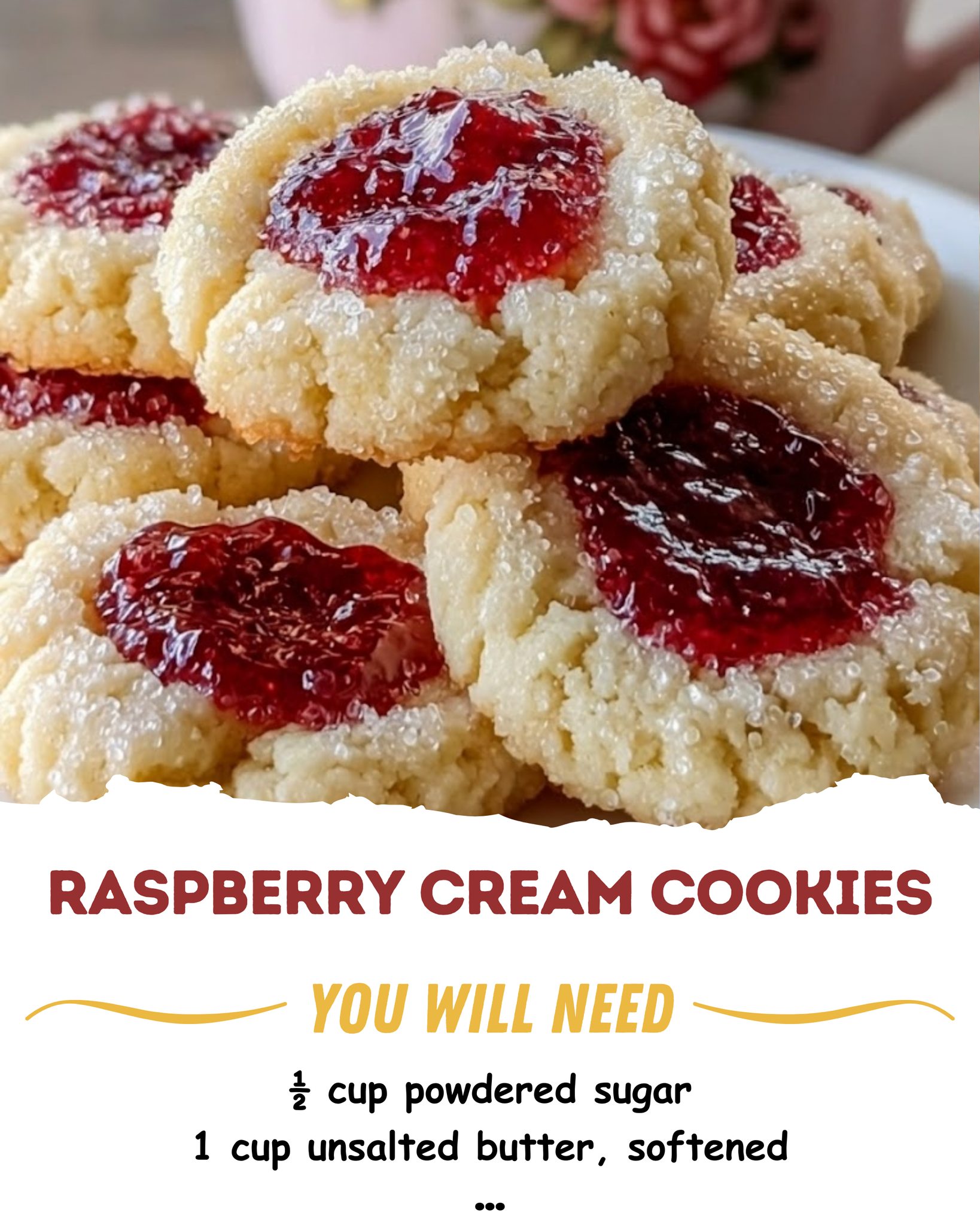
After the dough is properly chilled, I preheat my oven to 350°F (175°C) and line my baking sheets with parchment paper. On a lightly floured surface, I roll the dough out to about ¼-inch thickness. Using my 2-inch round cutter, I cut out as many circles as I can, placing them an inch apart on the baking sheets. I gather the scraps, re-roll, and cut again. Then, I pipe a small swirl or dollop of the raspberry cream filling onto the center of half of the dough circles. I top each with a plain dough circle and gently press the edges to seal. I bake them for 12-14 minutes, just until the bottoms are lightly golden and the tops look set but not browned. They firm up as they cool.
Pro Tips for Best Results
The consistency of your butter is everything. “Softened” means it should yield to gentle pressure but still be cool—not greasy or melted. I leave mine on the counter for about 45 minutes before starting. I’ve tested using butter that’s too cold (hard to cream) and too warm (makes greasy dough), and this perfect in-between stage is key for the ideal texture.
Chill your dough adequately. I cannot stress this enough. That one-to-two-hour window in the fridge isn’t just a suggestion; it’s what allows you to roll and handle the dough without it sticking or losing shape. If you’re in a rush, you can pop the rolled-out, cut cookies on the sheet pan into the freezer for 15 minutes before baking. This also helps them keep their perfect shape.
Use gel food coloring, not liquid, if you want a brighter pink filling. Liquid food coloring can thin out your filling and doesn’t provide the same vibrant, bakery-style color. A tiny dot of pink or red gel will give you that beautiful, jewel-toned center without affecting the texture. It’s a small detail that makes them look professionally made.
Common Mistakes to Avoid
My first big mistake was over-rolling the dough scraps. I kept re-rolling every last bit, and by the third pass, the final batch of cookies was tough and didn’t rise as prettily. The gluten gets overworked. Now, I gently press the scraps together only once for a second roll-out. Any remaining bits get shaped into a little jam-filled thumbprint cookie for the baker’s treat!(See the next page below to continue…)