
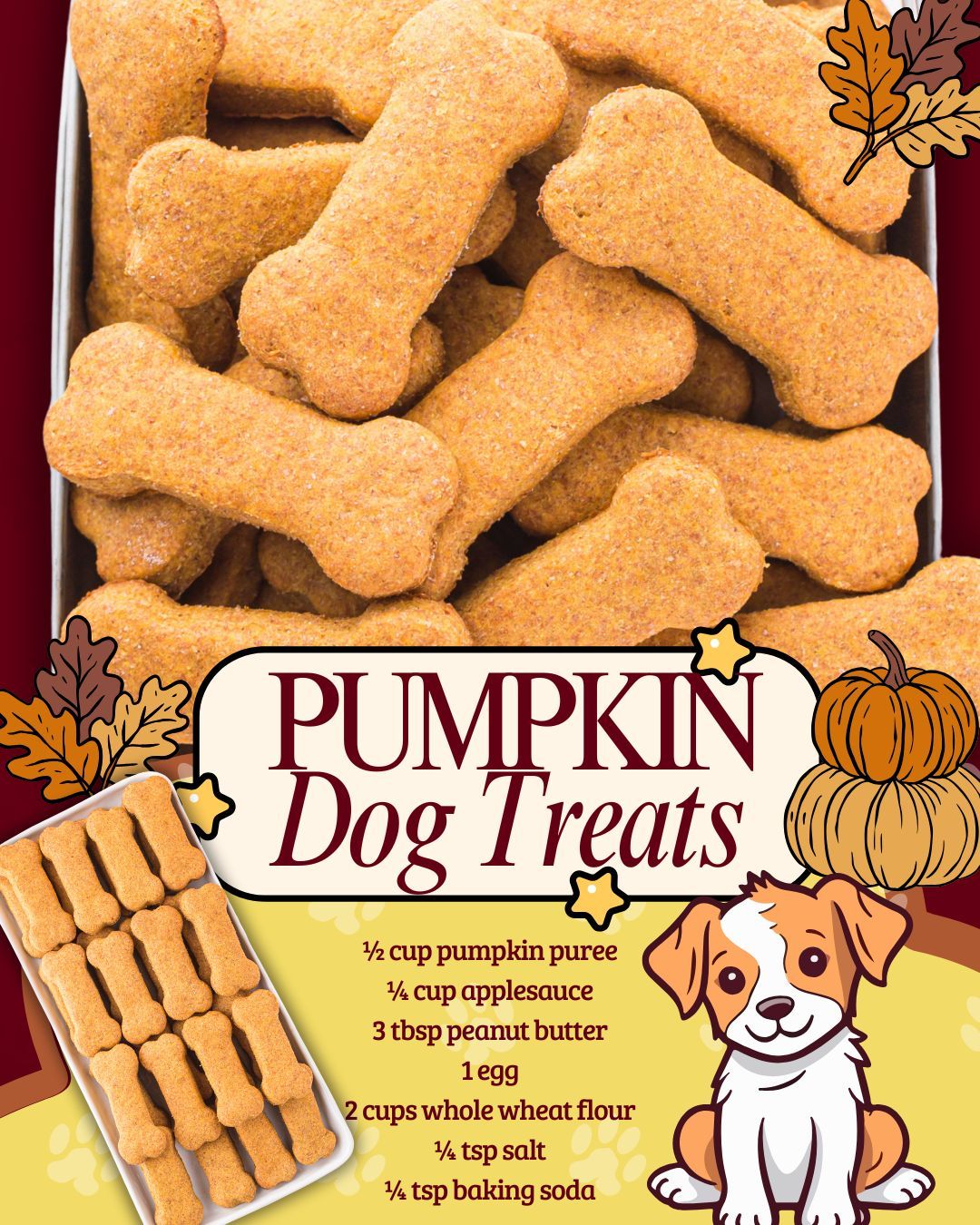
Finally, I bake the treats until they’re firm to the touch and lightly golden on the bottom. The smell that fills the kitchen is incredible—like pumpkin bread but gentler. I always let them cool completely before giving one to my dog, and watching the excited wiggle and happy crunch makes every minute worth it. It’s such a simple recipe, but the joy it brings is huge.
Pro Tips for Best Results
I tested this recipe three different ways—thicker dough, thinner dough, and varying bake times—and what I learned is that treats thicker than ¼ inch don’t always dry out properly. If you want crunchy treats, a thinner roll works better, but don’t go paper-thin or they’ll turn out too brittle and may even burn at the edges. Consistency really matters with dog treats because dogs tend to bite enthusiastically, and the wrong texture can break too easily or be too hard.
Here’s a tip I learned the hard way: always check the ingredients on your peanut butter jar before using it. One time I grabbed a new jar without thinking, and halfway through mixing I realized it contained sweeteners—not safe for dogs. Now I make it a habit to double-check, and I recommend you do the same. Natural peanut butter without added sugar is usually safe and gives a stronger peanut flavor that dogs love.
Another trick that has saved me more than once is adding a splash of water if the dough feels too dry. Whole wheat flour can absorb moisture differently depending on brand and humidity, and sometimes the dough needs an extra tablespoon or two of water to stay workable. If the dough cracks when you roll it, that’s your sign to add just a little more moisture. It’s amazing how quickly it smooths out again.
Lastly, don’t skip the cooling step. When these treats come out of the oven, they continue to harden as they cool. I used to be impatient and offered one too soon, and it was still soft and warm inside. Once they cool completely, the texture becomes perfect—firm enough to be crunchy but still gentle on teeth. Your dog will enjoy them much more with the right consistency.
Common Mistakes to Avoid
I made this mistake the very first time—using pumpkin pie filling instead of plain pumpkin purée. They look similar, but pie filling contains spices and sugar that dogs shouldn’t have. Ever since that mishap, I always read the label twice. Avoid anything with cinnamon, nutmeg, or added flavorings when baking for dogs.
Another common mistake is using sweetened applesauce. It might seem harmless, but dogs don’t need added sugar, and many store-bought varieties include sweeteners meant for humans. Always choose unsweetened applesauce; it gives moisture and mild sweetness without anything unnecessary. Your dough will behave better too since added sugar can cause extra browning.
I also once rolled the dough too thick because I assumed a bulkier treat meant a heartier chew. Instead, the centers didn’t bake properly and stayed soft and doughy, which isn’t ideal for dog treats. Thick treats can also take much longer to dry out, and they won’t store as well. Keeping them around ¼ inch thick truly makes a difference in texture and shelf life.(See the next page below to continue…)