
Common Mistakes to Avoid
The first time I made pound cake, I was overzealous with my mixer after adding the flour. I wanted it perfectly smooth, so I kept beating. What I got was a tough, tight-crumbed cake because I overdeveloped the gluten. Now, I mix on the lowest speed and stop the very second the flour blends in. A few tiny streaks are far better than overmixing. Remember, you’re not making bread!
Measuring flour incorrectly is a silent saboteur. Scooping directly from the bag with your measuring cup packs in way too much flour, leading to a dry, heavy cake. I always, always fluff my flour in its container, spoon it lightly into my measuring cup, and level it off with a knife. Better yet, I use a kitchen scale. The weight I provide (360g) is your guarantee for perfect results every time.
Don’t guess on your oven temperature. I learned this the hard way when my old oven ran hot and my cake browned too fast on the outside while remaining raw inside. An inexpensive oven thermometer is a baker’s best friend. If your cake is browning too quickly, you can tent it loosely with aluminum foil for the last 20-30 minutes of baking. And never, ever open the oven door to check during the first hour. That rush of cold air can cause the delicate structure to fall.
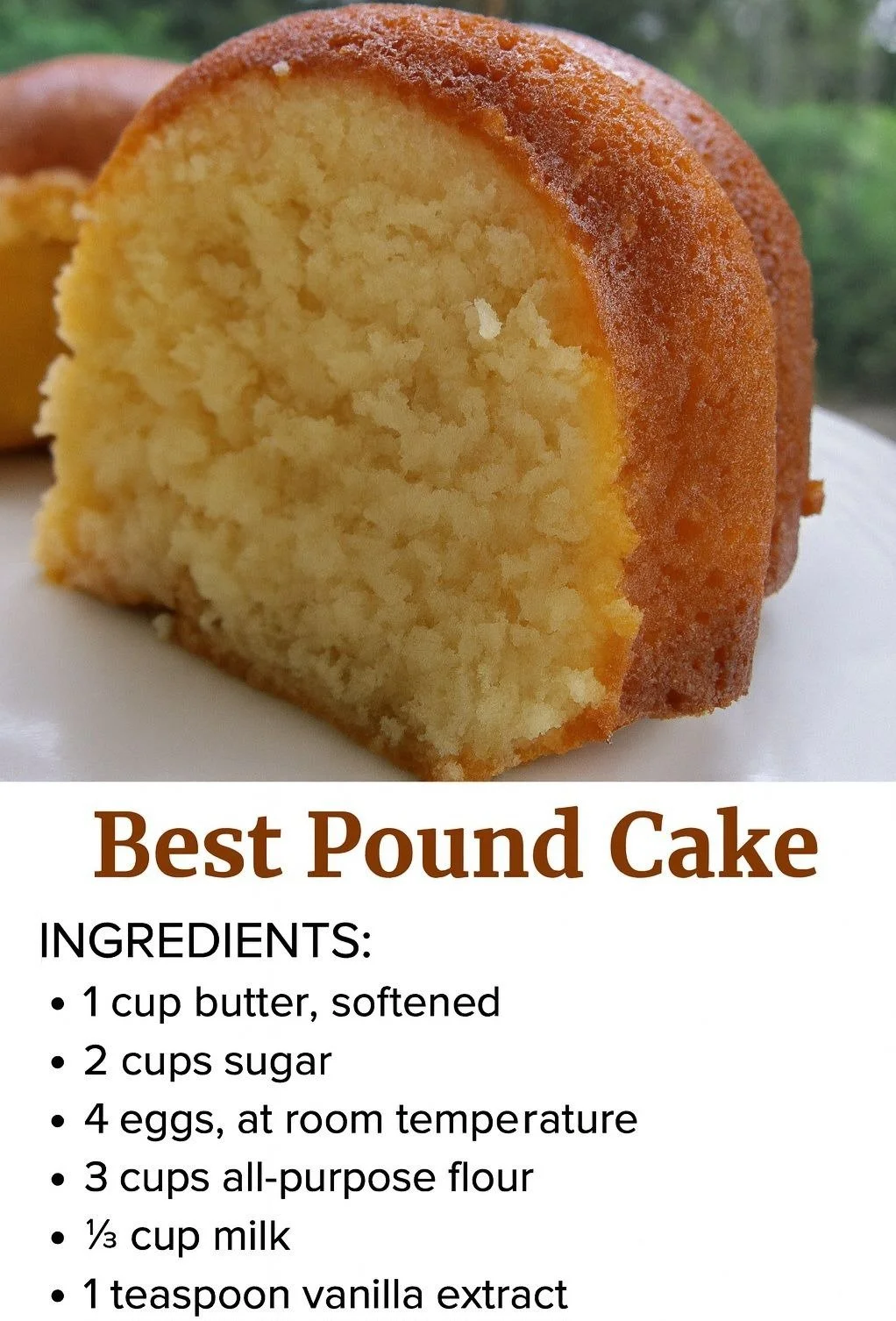
Rushing the cooling process is a recipe for a crumbly mess. I made this mistake once, trying to flip a too-hot cake. It broke in half, my heart along with it. The 20-minute in-pan rest is crucial. Then, when you invert it onto the rack, let it cool completely before even thinking about slicing. A warm pound cake will gum up your knife and squish under the pressure. Patience rewards you with clean, beautiful slices.
Serving Suggestions
I adore serving pound cake in its purest form: a simple, thick slice on a plate, maybe with a light dusting of powdered sugar. It’s perfect with a mid-afternoon cup of tea or a strong coffee. The beauty is in its simplicity, allowing the rich, buttery flavor to be the absolute star of the show.
For a more decadent treat, I love toasting a slice under the broiler for just a minute until the edges caramelize slightly. I then top it with a scoop of high-quality vanilla bean ice cream and a drizzle of warm berry compote. The contrast of warm cake, cold ice cream, and tart berries is simply divine. It transforms the humble cake into a restaurant-quality dessert.
It’s also a fantastic base for a summery shortcake. Instead of a biscuit, I use a slab of pound cake as the foundation for macerated strawberries and a dollop of freshly whipped cream. For a quick brunch offering, I sometimes serve thin slices alongside a fruit salad and a bowl of lemon curd or mascarpone for spreading.
Variations & Customizations
The classic is perfection, but it’s also a wonderful canvas. One of my favorite variations is a Lemon Blueberry Pound Cake. I add the zest of two lemons to the sugar during creaming (rubbing it in with my fingers to release the oils) and fold 1 ½ cups of fresh, lightly floured blueberries into the finished batter. I also swap the vanilla extract for lemon extract. The bright, tangy flavors cut through the richness beautifully.
For a cozy, spiced version perfect for fall, I add a tablespoon of cinnamon, a teaspoon of nutmeg, and a half teaspoon each of allspice and ginger to the dry ingredients. Sometimes I’ll even fold in a cup of toasted, chopped pecans. The aroma that fills the kitchen is absolutely heavenly. Chocolate lovers can try replacing ½ cup of the flour with high-quality cocoa powder for a deeply chocolatey version.
You can also play with the pan. While a tube or Bundt pan is traditional, I’ve successfully baked this in two loaf pans. Just reduce the baking time to about 60-70 minutes, and start checking with a skewer earlier. For individual portions, mini loaf pans are charming for gifting. The baking time will be closer to 40-45 minutes.
How to Store, Freeze & Reheat
Proper storage is what makes this cake such a great keeper. Once completely cool, I wrap the whole cake tightly in plastic wrap, then again in aluminum foil. It can stay at room temperature on my counter for up to 4 days, and I find the flavor actually improves on days two and three as it becomes even more moist and the flavors meld. Do not store it in the fridge, as it will dry out quickly.
To freeze, I let the cake cool completely and then wrap it in the same double layer (plastic, then foil). I place it in a large freezer bag, press out the air, and label it. It freezes beautifully for up to 3 months. To thaw, I simply transfer it to the counter in its wrapping and let it come to room temperature overnight. This preserves the texture perfectly.
Reheating is a game-changer for reviving slices. I never microwave a whole slice, as it can make it rubbery. Instead, for a single serving, I place a slice on a piece of foil and warm it in a 300°F oven for 8-10 minutes until just heated through. For a crispy edge, you can place it directly on the oven rack for the last minute. This makes it taste freshly baked all over again.
Conclusion
This pound cake is more than just a recipe; it’s a piece of baking heritage and a warm hug in dessert form. It has been my faithful companion for everything from potlucks to quiet moments of solace with a good book. I hope it becomes a cherished staple in your kitchen, too, bringing that same sense of simple, buttery joy to your table. Now, go preheat your oven and get ready to make something truly wonderful. Happy baking