
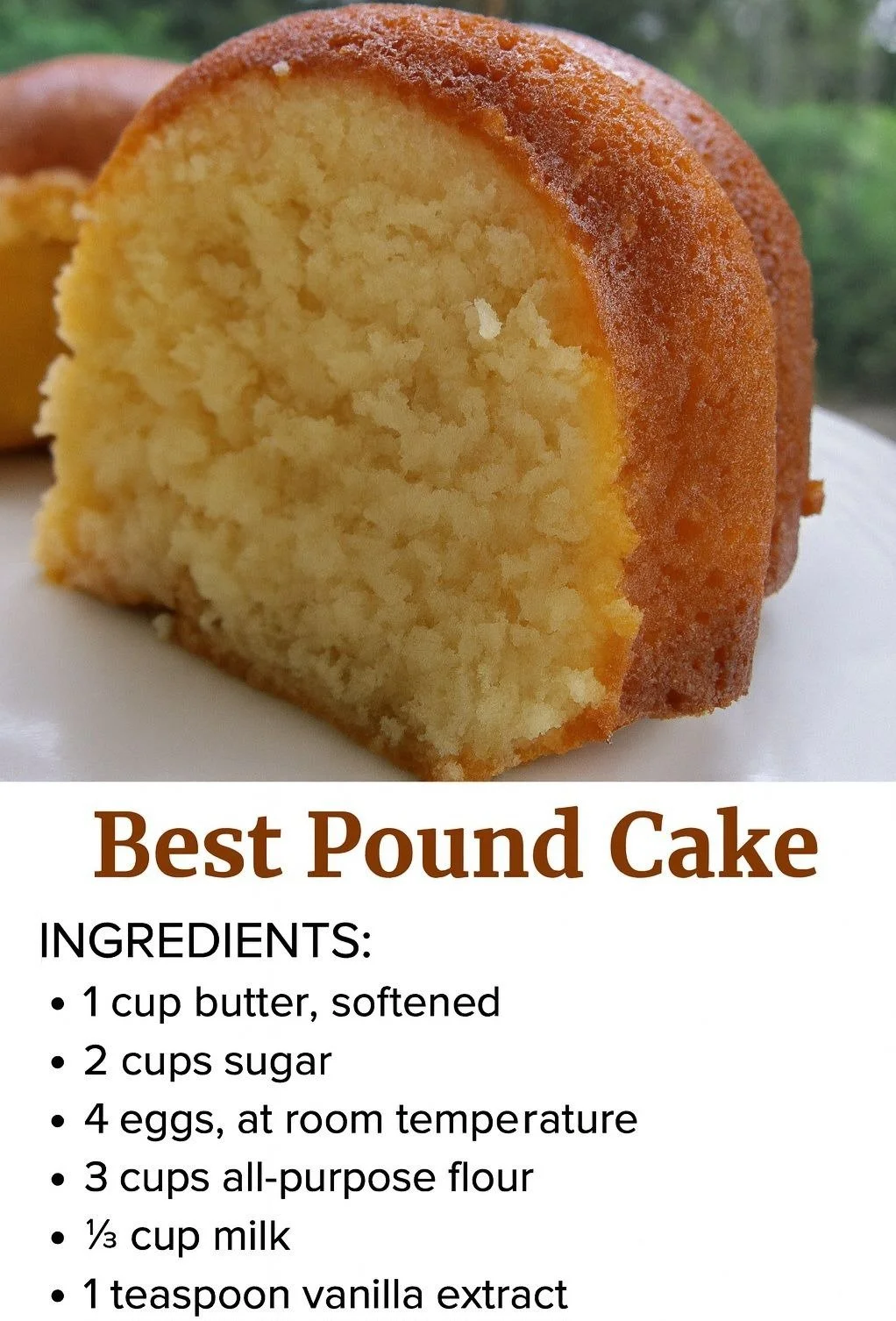
The magic starts with the creaming. In the bowl of my stand mixer fitted with the paddle attachment, I beat the softened butter on medium speed until it’s perfectly smooth and creamy, about 2 minutes. Then, I gradually add the sugar, with the mixer running, and let it beat for a full 5-7 minutes. I know it seems long, but this is the secret to that delicate, fine texture. The mixture should become very pale, fluffy, and almost like a thick frosting. I’ve tried this step both ways, and trust me, the full creaming time works better. While that’s happening, I whisk together my sifted flour, baking powder, and salt in a separate bowl.
Now, it’s time to incorporate the eggs and dry ingredients. I add the eggs one at a time, letting each fully blend into the butter mixture before adding the next. This patience ensures a stable, emulsified batter. After the last egg is in, I add the vanilla and almond extract, mixing just to combine. Then, with the mixer on low, I add the flour mixture and the sour cream alternately, beginning and ending with the flour. I usually do three additions of flour and two of sour cream. I stop mixing the moment the last streak of flour disappears—overmixing is the enemy of tenderness. The batter will be gloriously thick, silky, and speckled with vanilla beans if you used a good paste.
Finally, I carefully spoon the thick batter into my prepared pan, smoothing the top with my spatula. I give the pan a gentle tap on the counter to release any large air bubbles. Into the preheated oven it goes, right on the middle rack. Here’s a personal insight: I’ve learned to resist the urge to open the oven door for at least the first hour. The cake needs that steady, undisturbed heat to rise properly. It typically takes 80 to 90 minutes for me. The true test is a long skewer inserted near the center coming out clean, and the cake pulling away slightly from the sides of the pan.
Pro Tips for Best Results
I’ve tested different fats, and the full three sticks of butter are non-negotiable for authentic flavor and texture. Don’t substitute with margarine or oil. However, the sour cream is the true secret weapon I learned about through trial and error. Its acidity tenderizes the gluten, and its fat adds incredible moisture, ensuring the cake stays delicious for days. The optional almond extract is my personal signature; it doesn’t taste like almonds per se, but it deepens the vanilla flavor in a magical way. Don’t skip it; it makes a huge difference.
The “room temperature” rule is my hill to die on. I once tried to speed things up by microwaving cold butter to soften it and ended up with partially melted patches. The creaming was a disaster, and the cake was greasy and dense. True room-temperature butter should hold a slight indent when you press it but still feel cool and solid, not oily. For cold eggs, I place them in a bowl of warm (not hot) water for 10 minutes. This small step ensures they incorporate smoothly.
Knowing exactly when it’s done is a skill. The top will be a deep golden brown, and the cake will have a firm spring-back when lightly pressed. But the skewer test is foolproof. If you see any wet crumbs or batter, give it another 5-10 minutes. Under-baking is the main cause of a sunken center. Once it’s out, let it cool in the pan on a rack for 20 minutes—no more, no less. This allows the structure to set so it can handle the flip without collapsing. (See the next page below to continue…)