
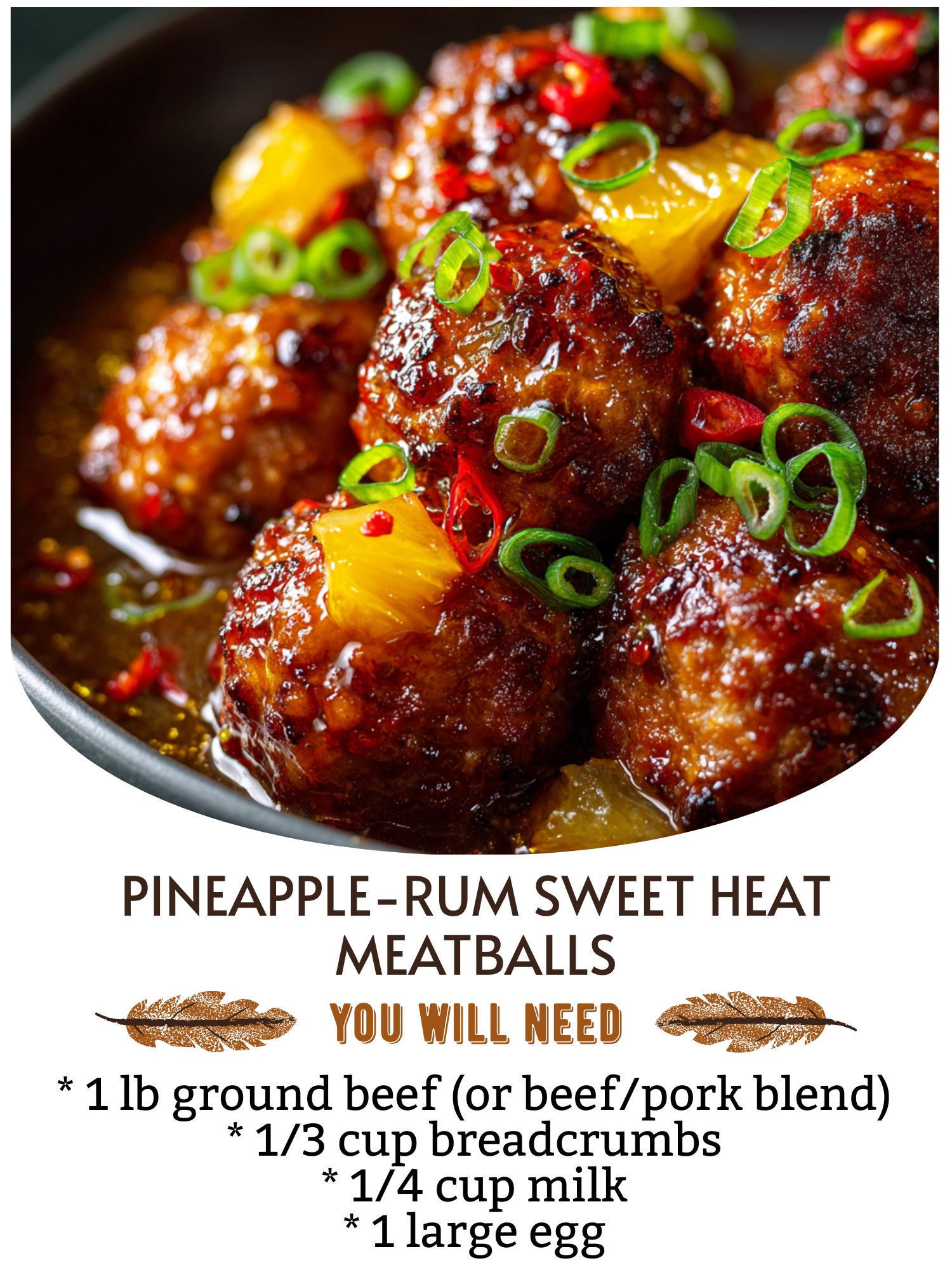
The first time I made these Pineapple-Rum Sweet Heat Meatballs, my kitchen filled with an incredible aroma that was both tropical and deeply savory. The scent of browning meat mingled with the sweet, tangy perfume of simmering pineapple and a warm, boozy hint of rum. I remember the excitement of glazing the meatballs, watching the sauce thicken into a glossy, sticky coating that promised so much flavor. That first bite—a tender, juicy meatball enveloped in a sauce that perfectly balanced sweet, tangy, and a slow-building, gentle heat—was an absolute revelation. It instantly became my go-to party showstopper, the one dish that disappears first and has everyone asking, “What’s in this sauce?”
Why You’ll Love This Recipe
You are going to love this recipe because it takes the classic party meatball and elevates it to something spectacularly flavorful and memorable. It’s the perfect fusion of comfort food and tropical escape, with a sauce that’s complex enough to impress but easy enough to make on a busy weeknight. From my experience, these meatballs have universal appeal—the sweetness pleases everyone, the rum adds a sophisticated depth, and the “heat” is just a gentle warmth that builds slowly, making them utterly addictive. They work beautifully as an appetizer, over rice for dinner, or even as a fun, gourmet sandwich filling.
Ingredients
For the Meatballs:
- 1 lb ground beef (or a 50/50 blend of beef and pork)
- 1/3 cup plain breadcrumbs (panko works great)
- 1/4 cup milk
- 1 large egg, lightly beaten
- 1/4 cup finely minced yellow onion
- 2 cloves garlic, minced
- 1 teaspoon Worcestershire sauce
- 1/2 teaspoon salt
- 1/4 teaspoon black pepper
For the Pineapple-Rum Sweet Heat Sauce:
- 1 cup pineapple juice
- 1/2 cup ketchup
- 1/3 cup packed light brown sugar
- 1/4 cup rum (dark or gold, not spiced)
- 3 tablespoons soy sauce
- 2 tablespoons apple cider vinegar
- 1 tablespoon fresh ginger, grated
- 2 teaspoons sriracha (adjust for heat preference)
- 1 tablespoon cornstarch mixed with 2 tablespoons cold water (slurry)
- 1 cup fresh pineapple, cut into small chunks
Let’s talk about the ingredients that make this dish special. For the meat, a beef and pork blend is my absolute favorite—the pork adds fat and flavor that keeps the meatballs incredibly juicy. For the sauce, using real pineapple juice (not a “cocktail” blend) and fresh pineapple chunks makes a huge difference in achieving a bright, authentic tropical flavor. The rum is key for depth; the alcohol cooks off, leaving a rich, caramel-like note. Don’t skip the fresh ginger! Its sharp, aromatic zing cuts through the sweetness and is irreplaceable. The sriracha is your heat dial—start with 2 teaspoons for a gentle warmth.(See the next page below to continue…)
Equipment Needed
- Large mixing bowl
- Baking sheet
- Parchment paper or aluminum foil
- Large skillet or saucepan with high sides
- Whisk
- Measuring cups and spoons
- Box grater (for ginger)
- Spoon or cookie scoop
Step-by-Step Instructions
I always start by making the meatball mixture. In a small bowl, I combine the breadcrumbs and milk to make a panade—this is the secret to keeping your meatballs tender and moist. I let it sit for a few minutes to absorb. In my large mixing bowl, I gently combine the ground meat, the soaked breadcrumb mixture, egg, minced onion, garlic, Worcestershire, salt, and pepper. The most important lesson I’ve learned here is to mix with my hands gently and just until combined. Overmixing makes the meatballs tough and dense. I then use a cookie scoop or my hands to form the mixture into about 20-24 uniform, one-inch meatballs, placing them on a parchment-lined baking sheet.
Next, I bake the meatballs. I preheat my oven to 400°F and bake the meatballs for 18-20 minutes. This method is my favorite because it’s hands-off, renders out excess fat onto the baking sheet (not into your sauce), and ensures they’re cooked through evenly. I used to brown them in a skillet, but they’d often be unevenly cooked inside. Baking is foolproof. When they come out, they’ll be beautifully browned and firm enough to handle. I sometimes pour off the rendered fat from the sheet and save it for cooking onions—it’s delicious flavor!
While the meatballs bake, I build the incredible sauce. In my large skillet or saucepan, I combine the pineapple juice, ketchup, brown sugar, rum, soy sauce, vinegar, grated ginger, and sriracha. I bring this to a simmer over medium heat, whisking to dissolve the sugar. The smell at this stage is intoxicating—sweet, tangy, and warmly spiced. I let it simmer for about 5 minutes to meld the flavors and reduce slightly. Then, I give my cornstarch slurry a final stir and slowly whisk it into the simmering sauce. Almost immediately, the sauce will transform from thin and watery to gloriously thick and glossy. This is when I stir in the fresh pineapple chunks.(See the next page below to continue…)
Finally, the grand union. I gently add the baked meatballs to the skillet, turning them to coat in the thick, glossy sauce. I reduce the heat to low and let them simmer together for 5-7 minutes. This allows the meatballs to soak up some of that amazing flavor and the pineapple chunks to warm through but still retain a little bite. I give them a gentle stir occasionally, being careful not to break the meatballs. The sauce will continue to thicken and cling to each meatball perfectly. I serve them straight from the skillet, garnished with sliced green onions or sesame seeds.
Pro Tips for Best Results
I tested the meatball cooking method three ways: frying, baking, and simmering directly in the sauce. Baking won hands down. Frying can lead to splatter and uneven cooking, and simmering raw meatballs in the sauce makes the sauce greasy and the meatballs less flavorful. Baking gives you a perfect, uniform cook and a nice browned exterior that holds up beautifully in the sauce. Trust the oven for this step.
Here’s what I learned the hard way about the sauce: patience with the thickener. The first time, I added the cornstarch slurry to a boiling sauce, and it clumped immediately. Now, I always bring the sauce to a gentle simmer, not a rolling boil, before whisking in the slurry. And I whisk constantly as I drizzle it in. This ensures a perfectly smooth, lump-free glaze that coats each meatball like a dream.
For the most tender meatballs, the panade (breadcrumb-milk mixture) is your best friend. I’ve tried skipping it, and the meatballs were dry and crumbly. Letting the breadcrumbs fully absorb the milk before mixing creates a paste that locks in moisture during cooking. Also, using a light hand when mixing and forming the meatballs prevents you from compacting the meat, which leads to toughness. Think gentle, not firm.
Common Mistakes to Avoid
My first batch suffered from bland meatballs because I didn’t season the meat mixture enough. I was so focused on the flavorful sauce that I neglected the meatball itself. Don’t do what I did! The meatball should taste delicious on its own. Be generous with the salt, pepper, and Worcestershire sauce in the mix. A well-seasoned interior makes the final dish balanced and sophisticated, not just a bland vehicle for sauce.(See the next page below to continue…)
Another critical error is adding raw meatballs directly to the sauce. I tried this to save time, and it was a mess. The meatballs released a lot of fat and liquid as they cooked, diluting and greasing up my beautiful, glossy sauce. It also made it nearly impossible to get a good sear on the meatballs. Always cook the meatballs first, whether by baking or browning, before introducing them to the sauce. This step locks in flavor and ensures a perfect texture.
Don’t use canned pineapple tidbits in heavy syrup for the chunks. The syrup is far too sweet and will throw off the delicate sweet-savory balance of your sauce. If you must use canned, look for pineapple chunks in 100% juice, drain them well, and pat them dry. But truly, fresh pineapple cut into small pieces provides a brighter flavor and better texture that’s worth the extra minute of effort.
Finally, avoid rushing the sauce reduction. If you try to cook it over too high a heat to thicken it quickly, you risk burning the sugar, which will make the sauce bitter. A steady, gentle simmer is key. Let it bubble away for those 5 minutes before adding the cornstarch slurry. This slow cooking allows the flavors to deepen and concentrate, creating a much more complex and rich sauce than a rushed one.
Serving Suggestions
As an appetizer, I love serving these meatballs straight from a slow cooker set to “warm” or in a chafing dish with a big bowl of toothpicks nearby. They are the ultimate party food—easy to eat, incredibly flavorful, and they stay perfectly saucy and hot for hours. I garnish the platter with extra pineapple chunks and sliced jalapeños for a pop of color.
For a fantastic dinner, I serve these over a bed of fluffy white rice or coconut rice. The rice soaks up every last drop of that amazing sauce. I’ll add a simple side of steamed broccoli or snap peas to round out the meal. It feels like a tropical vacation on a plate and is a guaranteed family favorite.
They also make an incredible meatball sub or slider. I pile the saucy meatballs and pineapple chunks into a toasted hoagie roll or slider buns, top with a slice of provolone or Swiss cheese, and pop them under the broiler until the cheese is melted and bubbly. The combination of the sweet-heat sauce, juicy meatball, and melted cheese is absolutely irresistible.
Variations & Customizations
For a different protein, you can easily use ground turkey or chicken. Just be mindful that leaner meats can dry out more easily, so consider adding an extra tablespoon of olive oil to the meatball mixture. For a vegetarian version, I’ve used store-bought or homemade plant-based meatballs with great success—just adjust the baking time as needed.
If you want to play with the heat level, it’s easy to customize. For more kick, add an extra teaspoon of sriracha, a pinch of red pepper flakes to the sauce, or even a finely minced fresh habanero (use gloves!). For a smokier flavor, use a tablespoon of chipotle in adobo sauce (minced) in place of the sriracha. It adds a wonderful deep, smoky heat.
You can also tweak the sauce ingredients based on what you have. No rum? Bourbon or even a non-alcoholic substitute like pineapple juice with a dash of vanilla extract can work in a pinch. For a less sweet version, reduce the brown sugar by half and add an extra tablespoon of soy sauce for more umami depth.
How to Store, Freeze & Reheat
Leftovers store beautifully. Once cooled, I transfer the meatballs and sauce to an airtight container. They will keep in the refrigerator for 3-4 days. The flavors often meld and taste even better the next day. Just be sure to store the meatballs in the sauce to keep them moist.
These meatballs freeze exceptionally well for make-ahead meals. I let the cooked, sauced meatballs cool completely, then portion them into freezer-safe bags or containers. They can be frozen for up to 3 months. This is perfect for having a gourmet appetizer or easy dinner ready in a flash.
Reheating is simple. For refrigerator leftovers, I gently reheat them in a saucepan over low heat, adding a splash of water or pineapple juice if the sauce has thickened too much. For frozen meatballs, I thaw them overnight in the fridge first, then reheat on the stove or in the microwave, stirring occasionally. They taste just as fantastic as the day they were made.
Conclusion
These Pineapple-Rum Sweet Heat Meatballs are more than a recipe; they’re a flavor adventure that’s sure to become a staple in your entertaining and family dinner rotation. They perfectly capture that magical balance of sweet, savory, and spicy that keeps everyone coming back for more. I hope you give them a try and experience the same joy and countless compliments I do every time I make them. Now, go fire up that oven and get ready for your new favorite meatball!