
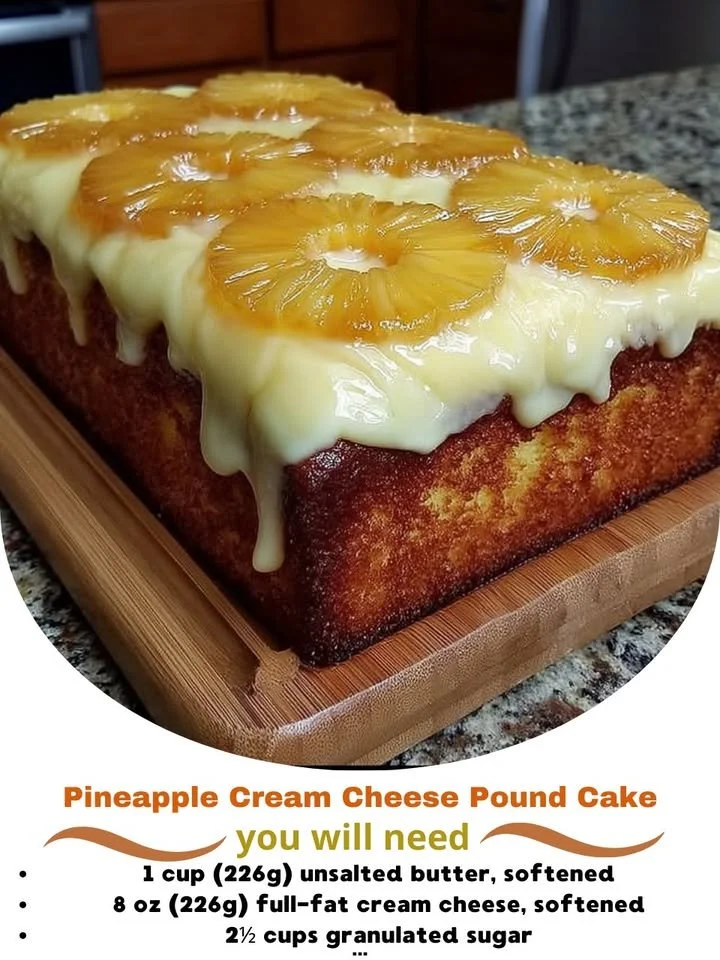
Next, beat in the eggs one at a time, ensuring each is fully incorporated before adding the next. To achieve that lovely creamy consistency, it’s important to mix well here. In another bowl, whisk together the flour, baking powder, and salt, and then gradually incorporate it into your butter mixture. It will start to become thick. Finally, fold in the crushed pineapple, vanilla extract, and lemon zest (if you’re using it). As I mixed everything together, I loved how the pineapple gave the batter a hint of sweetness and flecks of bright yellow color.
Once fully mixed, pour the batter into your prepared bundt pan. It’s a thick batter, so use your spatula to help guide it into the pan evenly. Bake for about 60 to 70 minutes or until a toothpick inserted into the center comes out clean. The cake should be a lovely golden brown and smell heavenly while it bakes. After it’s done, allow it to cool in the pan for about 15 minutes before transferring it to a cooling rack. Let it cool completely before serving; I know it’s hard to resist the temptation to sample it, but trust me, it’s worth the wait!
Pro Tips for Best Results
I tested this recipe three ways: with fresh pineapple, canned crushed pineapple, and even with dried pineapple. Canned pineapple is the winner for moisture and convenience! Just be sure to thoroughly drain it beforehand to avoid making the batter too wet. I also experimented with reducing the sugar for a slightly less sweet cake, but the original measurement truly brings out the delightful flavors without overpowering the fruit.
On the cream cheese front, make sure it’s at room temperature—this helps it incorporate smoothly with the butter. I once added cold cream cheese and ended up with lumps, which wasn’t very appetizing. The smooth blended texture is essential for that rich cream cheese flavor throughout the cake. Lastly, I find that allowing the cake to cool completely makes a world of difference in texture and taste when you slice into it; it improves dramatically overnight!
Finally, if you have time, let the baked cake sit wrapped in plastic wrap for a day before serving. It allows the flavors to meld beautifully, making each slice even more delicious. I learned this tip from my grandma, and it’s been a game-changer in my baking life. The patience truly pays off!
Common Mistakes to Avoid
One mistake I’ve made in the past is not measuring the flour correctly, which can lead to a dense cake. It’s always best to spoon the flour into your measuring cup and level it off instead of scooping directly from the bag. Another lesson I learned the hard way is to make sure the butter is softened sufficiently. If it’s only slightly softened, the mixture won’t aerate correctly, and the texture will suffer. (See the next page below to continue…)