
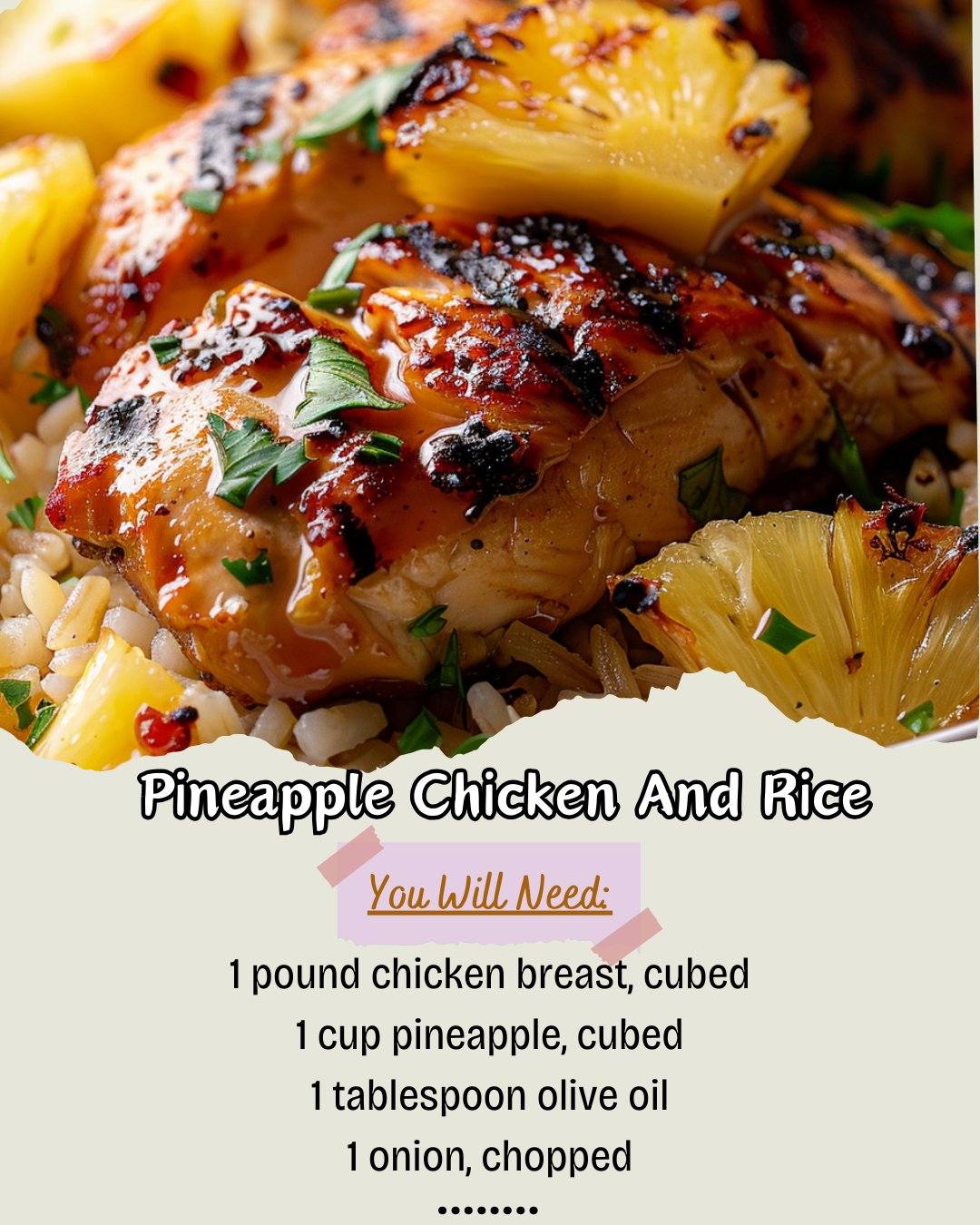
Here’s the test of patience: reduce the heat to low, cover the pan tightly with its lid, and let it simmer gently for 18-20 minutes. Do NOT peek before 18 minutes are up! Lifting the lid releases the precious steam that’s cooking the rice. After 18 minutes, check to see if the liquid is absorbed and the rice is tender. If it looks a little wet, cover it again and give it another 2-3 minutes. Once done, remove the pan from the heat and let it sit, still covered, for 5 full minutes. This final rest allows the rice to steam to perfection and absorb any last bit of moisture. Then, fluff it gently with a fork, garnish with sliced green onions, and prepare for the tropical escape to begin.
Pro Tips for Best Results
Fresh versus canned pineapple is the biggest decision. I’ve tested this three different ways: with canned pineapple in syrup, canned pineapple in juice (drained), and fresh. Fresh pineapple wins, hands down. It holds its shape, offers a brighter, cleaner sweetness, and doesn’t make the dish overly sugary or soggy. If you must use canned, use pineapple chunks packed in 100% juice, drain them VERY well, and pat them dry with a paper towel to avoid extra liquid.
The quality of your chicken broth makes a huge difference. This liquid is absorbed directly by the rice, so it is the backbone of your flavor. Using a low-sodium, high-quality broth is my secret weapon. I’ve made it with water and a bouillon cube in a pinch, but a good carton of broth or homemade stock elevates the entire dish from simple to spectacular. Taste your broth before you add it—if it’s bland, your rice will be too.
Don’t skip the rice toasting step. I was impatient once and just poured the rice and liquid in together. The finished dish was fine, but the rice was a bit clumpy and lacked the toasted, nutty complexity that makes this recipe special. That extra two minutes of stirring the dry rice in the hot pan is a flavor multiplier you will absolutely taste in the final result.
Common Mistakes to Avoid
The most common mistake is using too much pineapple or not draining it properly. Pineapple contains a lot of water and an enzyme (bromelain) that can break down protein, making chicken mushy if marinated for too long. By adding it at the simmering stage, we avoid the texture issue, but if you add a heaping cup of soggy, undrained pineapple, you’ll throw off the liquid ratio and end up with gloppy, wet rice. Measure your pineapple and, if using canned, dry it thoroughly. (See the next page below to continue…)