
Stirring too frequently is a common pitfall, especially if you’re using the stovetop method. Every time you lift the lid on the slow cooker or stir the pot on the stove, you release heat and steam, which slows down the cooking and can prevent the sauce from reducing properly. I stir once at the beginning, once halfway through, and once at the end for a final taste and adjustment. Let it do its thing!
Another error is using precooked, full-sized smoked sausages sliced up instead of the Lit’l Smokies. I tried it once in a pinch, and it wasn’t the same. The texture was chewier, and they didn’t soak up the sauce in that wonderful, bite-sized way. Lit’l Smokies are specifically designed for this kind of application—they’re tender, perfectly seasoned, and their size makes them ideal finger food. Don’t substitute here; it’s worth buying the real deal.
Finally, serving them straight from high heat can be a problem. The sauce becomes like molten lava and can burn mouths. This is why I love switching to “Warm” about 20-30 minutes before serving. It allows everything to settle into a perfect, edible temperature. It also gives the flavors one last chance to come together, ensuring every single smokie is coated in that incredible, sticky glaze.
Serving Suggestions
I love serving these straight from the slow cooker set to “Warm” for the ultimate easy, self-serve situation. I place a hefty stack of colorful toothpicks in a small cup right beside it. For a casual movie night at home, I’ll sometimes just set the pot on a trivet on the coffee table—it creates such a fun, communal eating experience. The simplicity is part of the charm.
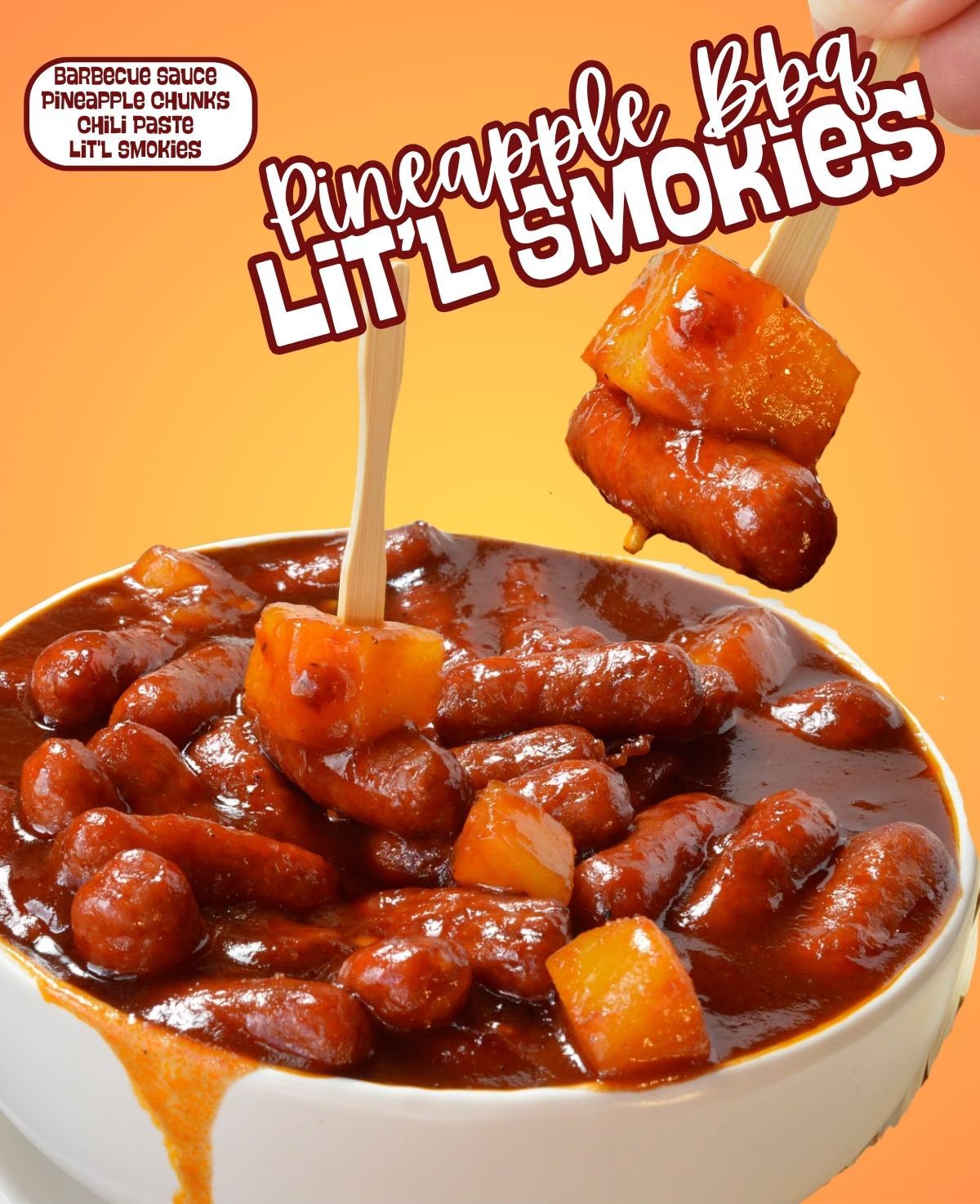
For a more composed appetizer spread, I transfer them to a shallow serving bowl and scatter the sliced green onions over the top. The fresh green color and slight bite are a beautiful contrast to the deep, glossy sauce. I like pairing them with other easy, cool-weather snacks like a super-creamy spinach dip with crusty bread or a big platter of crisp, cool vegetable sticks to balance the richness.
If I’m turning this into more of a meal, I’ve been known to spoon these over a bowl of fluffy white rice or pile them into soft, slider buns. The sauce is so good, it begs to be soaked up. Serving them with a side of extra BBQ sauce for dipping and plenty of napkins is always a good idea, too. They are delightfully messy in the best possible way.
Variations & Customizations
For a tropical twist that I absolutely adore, I’ll add a 1/2 cup of sweetened shredded coconut to the mix during the last 30 minutes of cooking. It toasts slightly and adds a wonderful chewy texture and flavor that pairs amazingly with the pineapple. It’s like a little vacation in every bite. I’ve also swapped the chili paste for a tablespoon of finely grated fresh ginger, which gives it a bright, zippy kick that’s different but equally fantastic.
If you’re a fan of spicy food, the customization options are endless. I’ve seen friends add a few dashes of hot sauce (like Frank’s RedHot) on top of the chili paste. One time, I minced a fresh jalapeño (seeds removed for milder heat) and sautéed it for a minute before adding it to the slow cooker. It created a more vibrant, fresh chili flavor. You can really tailor the heat level to your crowd.
For a different protein, I’ve successfully used this same sauce mixture with fully cooked meatballs (frozen ones work in a pinch!) or even chunks of cooked chicken breast. The cooking time for chicken would be less—just until heated through and coated—but the flavor principle is the same. It’s a incredibly versatile sauce base that can dress up any simple, pre-cooked protein for an easy appetizer.
How to Store, Freeze & Reheat
Storing these is straightforward. Once completely cooled, I transfer them to an airtight container and keep them in the refrigerator. They’ll stay delicious for 3-4 days. The sauce will continue to thicken when chilled, which I actually love. When I reheat, I add a tiny splash of water, pineapple juice, or even a teaspoon of apple cider vinegar to loosen the sauce back up. I warm them gently in a saucepan over low heat, stirring frequently, or in the microwave at 50% power in 60-second bursts, stirring between each.
Yes, you can freeze them! I let the mixture cool completely, then portion it into freezer-safe bags or containers, pressing out as much air as possible. They’ll keep for up to 2 months. Here’s my experience: the texture of the sausages remains good, but the pineapple chunks can become a little softer upon thawing. It’s still utterly tasty. To reheat from frozen, I thaw overnight in the fridge and then warm on the stove, adding a bit of liquid as needed.
What doesn’t work well is trying to reheat them repeatedly or on very high heat. The sugars in the BBQ sauce and pineapple can burn easily if you blast them in the microwave or leave them on a high stovetop setting unattended. Low and slow is the key for reheating, just as it is for cooking. I’ve also found they don’t lose their flavor when stored, making them a fantastic make-ahead option for busy party days.
Conclusion
This Pineapple BBQ Lit’l Smokies recipe is more than just a list of ingredients; it’s a tiny passport to stress-free entertaining and satisfied smiles. It’s the dish that has never once let me down, whether I’m feeding my family during the big game or contributing to a neighborhood potluck. The magical alchemy of sweet pineapple, smoky barbecue, and a hint of heat creates something truly greater than the sum of its incredibly simple parts. I hope you give it a try in your own kitchen, make it your own, and experience the little burst of joy that comes when something so easy earns you so much praise. Happy cooking