
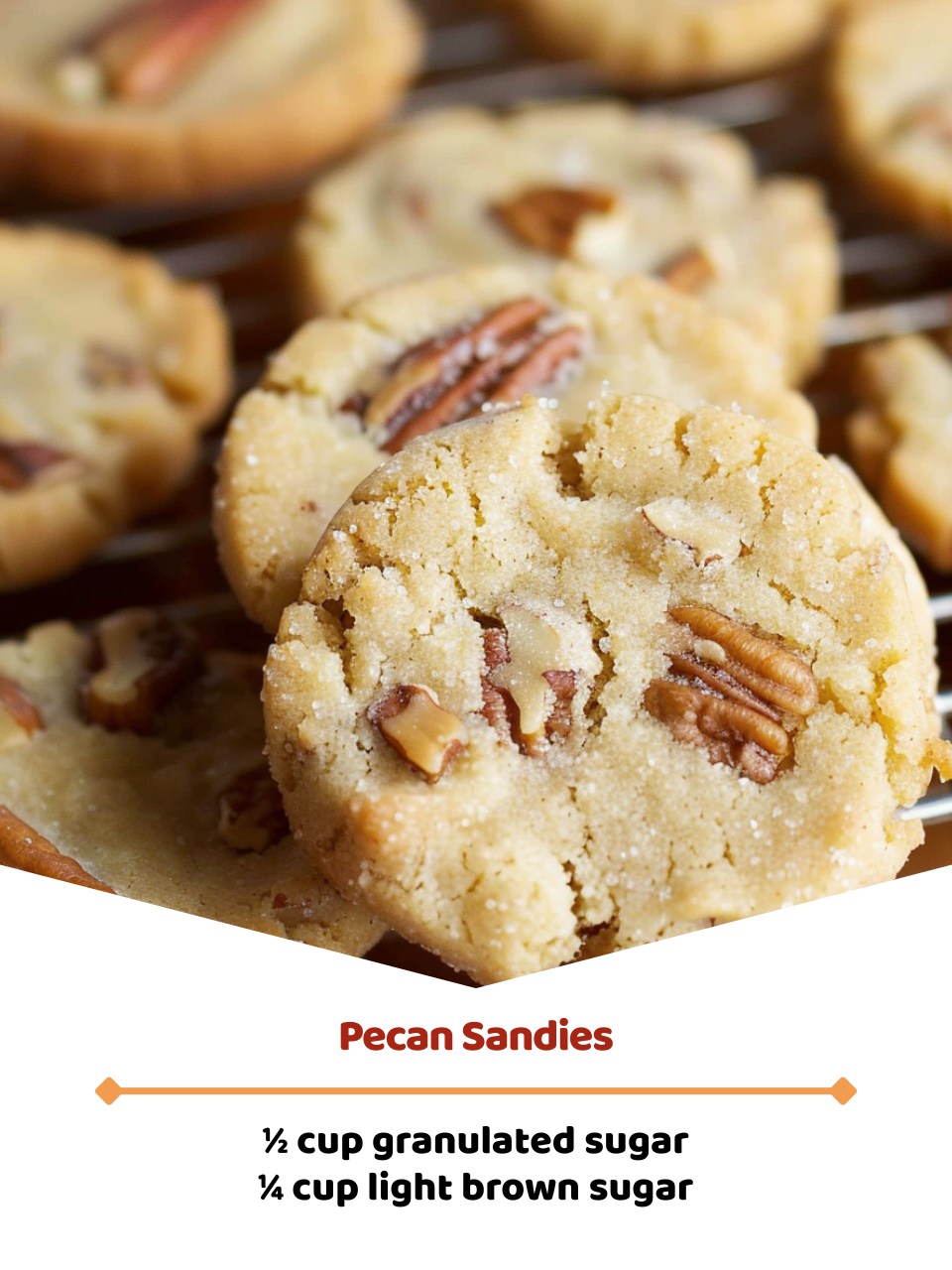
Pecan Sandies occupy a special place in the world of cookies—a crisp, rich shortbread, studded with buttery pecans and layered with subtle notes of caramel and vanilla. Their texture is delicate yet substantial, breaking with a gentle snap and melting on the tongue at first contact.
Loved for generations, these cookies are an invitation to slow down and savor, whether enjoyed with a cup of tea, packed as a gift, or set out for guests on a festive tray. Pecan Sandies remind us that elegance and comfort can live side by side, making them a standout treat for holidays, celebrations, and daily enjoyment.
Why You’ll Love It
Every bite of a Pecan Sandy delivers a harmonious blend of toasted pecan and rich, buttery crumb. The cookie’s slightly sandy texture—hence the name—crumbles just enough to provide a satisfying mouthfeel, while holding together perfectly for dunking or stacking.
Their subtle flavor speaks to old-fashioned baking, where simple ingredients transform into something memorable and deeply satisfying. These cookies are easy to make, forgiving for busy bakers, and look sophisticated whether plain, powdered, or dipped in chocolate. Their versatility runs deep; you can adapt them for special occasions, dietary needs, or just to suit your personal preference.
Key Ingredients
- 2 cups all-purpose flour
- 1 cup unsalted butter, softened
- 1/2 cup granulated sugar
- 1/2 cup powdered sugar
- 1/2 teaspoon salt
- 1 teaspoon vanilla extract
- 1 teaspoon almond extract (optional)
- 1 1/2 cups pecan halves, roughly chopped
- Optional: 1/4 cup cornstarch for extra tenderness, powdered sugar for finishing
Preparation
Classic Pecan Sandies begin with careful creaming of softened butter with both granulated and powdered sugar, using a mixer or sturdy spoon for a light, silky base. The addition of salt and vanilla rounds out the base flavors, while almond extract, though optional, offers sophisticated depth and a natural complement to pecan’s earthy notes.
Once the mixture is fluffy and pale, flour is mixed in gradually, taking care not to overwork the dough—a gentle hand preserves the sandy, shortbread texture the cookies are known for.
Chopped pecans are folded in last, dispersed evenly for a nut-studded finish. If you opt for extra tenderness, a spoonful of cornstarch in the mix works wonders. The dough should be wrapped and chilled for an hour; this step develops the flavor and keeps the cookies from over-spreading in the oven.
Dough is then scooped or rolled into balls (sometimes logs for slicing), placed on parchment-lined baking sheets, and gently flattened to the desired shape.
Bake in a preheated 350°F (175°C) oven for about fifteen to eighteen minutes, or until the edges are set and just beginning to take on color. The goal is a pale, golden finish rather than deep browning, which preserves both flavor and texture. Cool completely before dusting with powdered sugar or dipping in chocolate, as desired.
Technique, Tips & Tricks
Success with Pecan Sandies is all about respecting the cookie’s delicate balance. Use butter at room temperature for optimal creaming, but avoid melting, which leads to dense, greasy cookies.
Toasting the pecans beforehand amplifies their aroma and crunch, setting your Sandies apart from store-bought versions. Folding the nuts in gently ensures every bite is packed with flavor without crushing the cookies’ structure.
Chilling the dough is essential—shortbread cookies react dramatically to oven temperatures, and even an extra ten minutes of fridge time can mean the difference between perfectly crisp-edged cookies and flat, misshapen ones.
When shaping, keep cookies compact and even. For slicing Sandies, roll dough into a log and chill overnight, then slice with a sharp knife for consistent rounds.
These cookies can be baked until just golden, or for a crisper finish, leave them a few minutes longer; take care, as overbaking leads to dry Sandies. For a festive twist, gently press half pecan pieces into the top or create a crisscross pattern with fork tines before baking.
Substitutions and Variations
Pecan Sandies are beautifully adaptable. For gluten-free cookies, substitute a high-quality one-to-one gluten-free flour blend, monitoring dough consistency and bake time closely.
Vegan adaptations are simple: swap plant-based butter and egg replacer if the recipe calls for an egg binder. Nut-free options include switching pecans for toasted pumpkin seeds or sunflower seeds.
Dress up the dough with lemon zest, orange zest, or a splash of bourbon for added nuance. Replace some of the flour with finely ground pecans for extra richness, or add mini chocolate chips, dried cranberries, or coconut for new flavor profiles.
For a more robust cookie, brown the butter before creaming for layers of caramel and nuttiness.
Double-bake dough slices for crispy biscotti-style cookies, or sandwich two Sandies together with chocolate ganache or spiced fruit preserves for an elegant dessert. If you’d like to make the cookies ahead, freeze unbaked dough logs and bake straight from frozen, watching carefully in the oven.
Serving Suggestions
Serve Pecan Sandies with afternoon tea or coffee—their not-too-sweet flavor and fine crumb make them a perfect pairing for hot beverages. On holiday platters, pile high with other classics like Russian tea cakes, spritz cookies, or chocolate bark for variety.
Dust with powdered sugar for a snowy effect, or dip half of each cookie in dark or white chocolate before setting for a luxurious finish.
For gifting, pack cooled cookies into tin boxes lined with parchment or tissue, tied with a ribbon for a beautiful homemade present. As part of a dessert buffet, arrange with fruit, cheese, and nuts—Sandies are equally at home with savory bites as they are with sweets.
For special occasions, dress up the table with a few edible flowers or candied orange peel for color and aroma.
Sandies travel well, store for a week in an airtight container, and can be made ahead for events, bake sales, or parties. For a comforting snack, pair with warm spiced cider or a glass of milk, or crumble over vanilla ice cream for a Southern twist.
Story & Origins
Pecan Sandies are a standout in American baking history, with their roots intertwined with Southern hospitality and classic shortbread traditions. Their name references the “sandy” crumb that comes from a delicate balance of flour, butter, and nuts—an effect cherished in shortbread cookies across Europe and
North America. Pecans themselves are native to the Southern United States, where they have long been a staple in pies, cookies, and candies.
The commercial popularity of Sandies soared in the twentieth century, solidifying their place in the canon of holiday and everyday cookies. Yet homemade versions remain a heartfelt tradition, often handed down through families, with recipe boxes full of little tweaks—more vanilla here, an added spice there, but always a focus on pecan’s buttery richness.
Classic Sandies are celebrated at holidays from Thanksgiving through Christmas, appearing in cookie swaps and gift baskets. Their restrained sweetness and elegant simplicity make them a favorite for cooks seeking both tradition and taste.
Nutrition Notes
Pecan Sandies are not only delicious but also offer a modicum of nutritional benefits thanks to pecans, which provide healthy fats, dietary fiber, and a dose of minerals like magnesium and copper.
The cookies themselves, dominated by butter and sugar, are a classic indulgence—calories can be moderated with smaller portions or using part-skim butter alternatives. For lower cholesterol, use plant-based butters or swap all-purpose flour for whole wheat pastry flour.
Those with nut allergies should substitute with seeds or coconut, and gluten-free bakers can rely on trusted flour blends for nearly identical texture.
For reduced sugar, powdered erythritol or stevia blends can mirror some of the sweetness; however, the finest flavor comes from classic ingredients.
As with any treat, Pecan Sandies are best enjoyed in moderation, especially due to their rich fat content and caloric density.
Flavors & Pairings
Pecan Sandies play well with a variety of flavors and drinks. Their nutty, buttery profile is ideally matched to black tea, coffee, or hot cocoa. For special dessert platters, pair them with tangy fruit (like sliced apples or pears), strong blue cheeses, or a spicy gingerbread for contrast.
On the holiday table, Sandies sit well beside spiced cakes, citrus tarts, and creamy puddings. Enjoy with a glass of dessert wine, such as Riesling or Moscato, or a bourbon-based cocktail to highlight their Southern heritage.
As an after-dinner treat, dip Sandies in dark chocolate and serve with berries for a sophisticated plate, or combine with caramel ice cream and candied pecans for a gourmet sundae.
Frequently Asked Questions
Can I make Pecan Sandies ahead of time?
Absolutely—the dough can be frozen, and baked cookies last for a week in a sealed container.
Why are my cookies crumbly or dry?
Overbaking is the most common cause; bake just until set and pale golden. Ensure butter is well creamed and measure flour carefully for the correct ratio.
Can I replace pecans with other nuts?
Yes, walnuts, hazelnuts, or almonds work well, though pecans give the classic flavor and texture.
How do I get perfectly shaped cookies?
Chilling the dough and using a cookie scoop or slicing chilled logs ensures uniformity. For shaped cookies, roll the dough to a consistent thickness and work gently.
Do Sandies work for gifting?
They’re ideal for gifting; sturdy, portable, and universally loved, especially dressed up or portioned in decorative bundles.
Final Thoughts
Pecan Sandies epitomize classic American baking, marrying simple ingredients with timeless technique for a cookie that appeals to all ages and occasions. With their sandy, buttery crumb and bright pecan flavor, these cookies offer both comfort and sophistication that endures beyond seasons and trends. Whether you stick with tradition or make the recipe your own, Sandies invite you to savor life’s sweet moments one perfect bite at a time.