
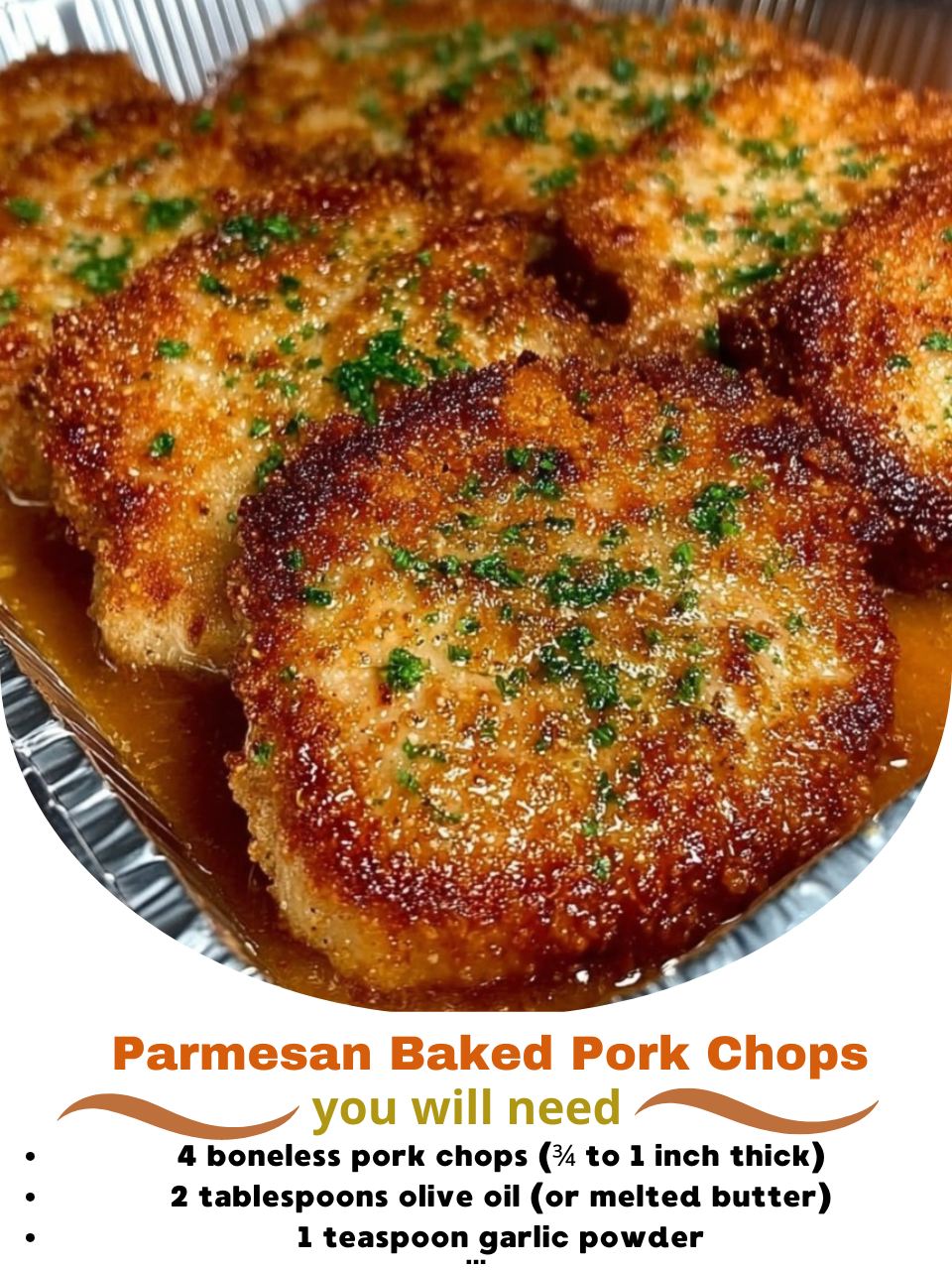
You’re looking for an internal temperature of 145°F, measured in the thickest part of the chop. As soon as it hits that magic number, take them out immediately. The chops will continue to cook a bit from residual heat (carryover cooking), bringing them to a perfect, safe, and juicy 150°F. Let them rest on the baking sheet for 5 minutes before serving. This rest period is crucial—it allows the juices to redistribute throughout the meat. If you cut in right away, all those precious juices will run out onto your plate.
Pro Tips for Best Results
For an extra-crispy crust, place a wire rack on your baking sheet and put the chops on the rack. This elevates them so heat hits every part of the crust, preventing a soggy bottom. I tested this versus baking directly on parchment, and the rack method gives a noticeably crunchier, more even crust all around.
If you have time, let the coated chops sit on the baking sheet for 10-15 minutes before baking. This gives the coating a chance to set and adhere even more, reducing the chance of it falling off during baking or serving. I find this step especially helpful when using Panko breadcrumbs.
To amplify the flavor even more, add a tablespoon of Dijon mustard or mayonnaise to the olive oil before brushing it on the chops. The emulsifiers help the coating stick fantastically, and it adds a wonderful tangy depth that complements the Parmesan beautifully. I tested this variation and it’s now my preferred method.
Common Mistakes to Avoid
Do not use pork chops that are thinner than ¾ inch. Thin chops will cook through before the crust has time to get golden and crispy, and they are much more prone to drying out. If you only have thin chops, reduce the baking time significantly and watch the temperature like a hawk.(See the next page below to continue…)