
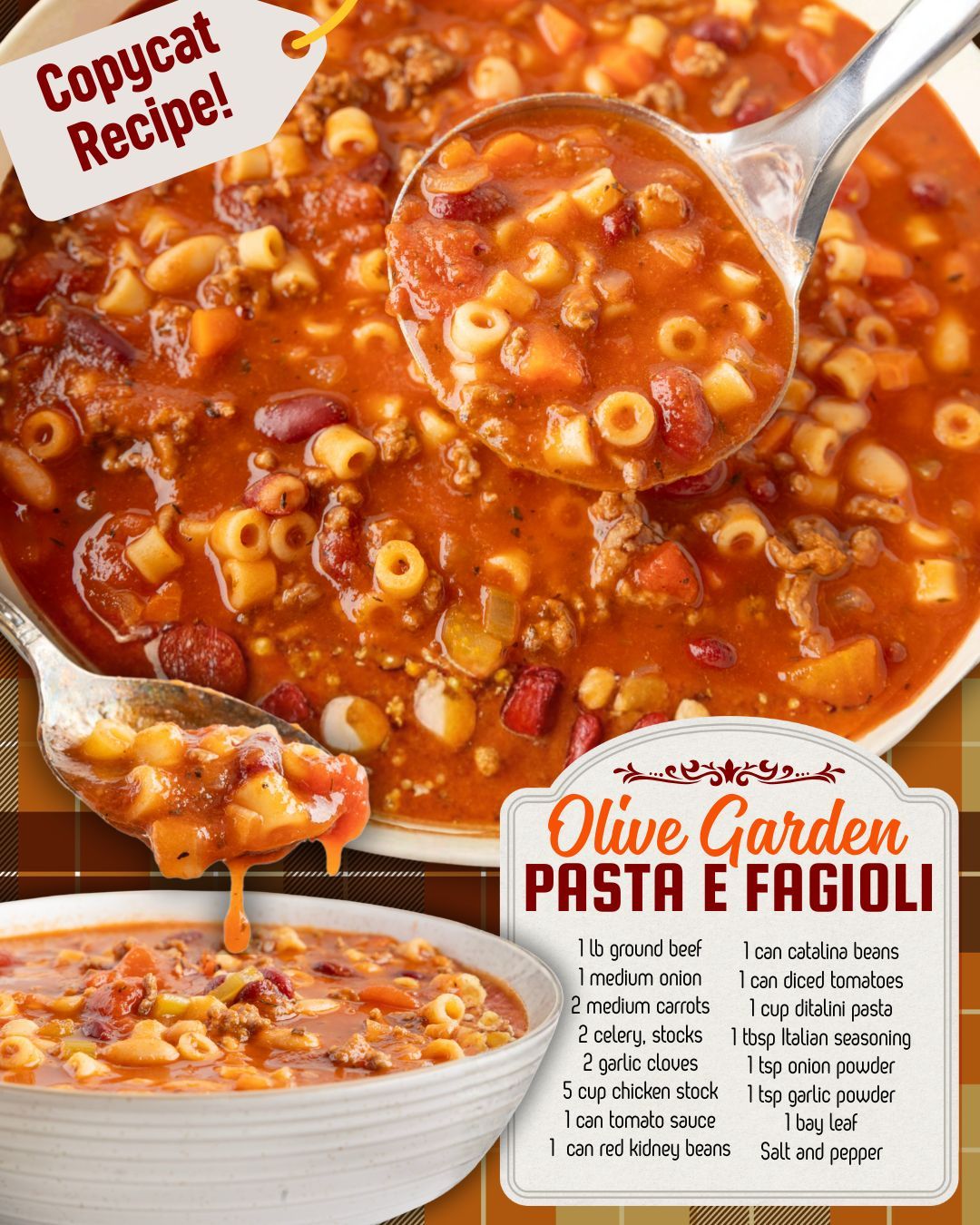
Right before serving, I prepare the ditalini pasta separately. This prevents the pasta from absorbing too much broth and turning mushy in the soup pot. I cook it just until al dente, drain it, and stir a portion into each serving bowl rather than mixing it directly into the pot. It’s one of the tricks that keeps the texture perfect every single time.
Pro Tips for Best Results
One of the best tips I can share is to sauté the vegetables just a little longer than you think you need to. When the onions start turning golden and the celery becomes fragrant, you know you’ve unlocked a deeper layer of flavor. I tested this three different ways—quick sauté, medium sauté, and slow sauté—and the medium, slightly caramelized result gives the soup the most depth.
Another trick I swear by is cooking the pasta separately instead of adding it straight to the pot. Every time I tried adding the pasta to the soup itself, it soaked up too much broth and turned soft by the next day. Keeping the pasta separate averted that entirely, and now I always prepare it on the side. It’s such a small step but really does make a big difference.
If you love a more stew-like texture, try simmering the soup for an extra 15–20 minutes before adding the beans. This reduces the broth slightly and gives you that thick, stick-to-your-spoon consistency that feels extra hearty. When I’m craving comfort, this little tweak always hits the spot. Just be sure to watch the heat so the bottom doesn’t scorch.
Lastly, for anyone who loves a bit of heat, a tiny pinch of red pepper flakes can elevate the entire bowl. I’ve added too much before and regretted it, so start with a small pinch, stir, taste, and adjust. It’s all about layering flavors rather than overwhelming them.
Common Mistakes to Avoid
The biggest mistake I made the first time was simmering the soup with the pasta in it. It seemed logical at the time, but the result was mushy pasta and half the broth missing because the noodles absorbed so much liquid. It’s such an easy fix—simply cook the pasta separately—and your soup stays perfect.
Another common mistake is not draining the excess grease from the ground beef. I skipped it once when I was in a hurry, and the broth ended up tasting heavy and oily. It really changes the entire dish, so even though it adds an extra step, it’s worth the minute it takes to drain it properly.
Rushing the simmering time is also a mistake I’ve seen happen. When you don’t let the broth and seasonings mingle long enough, the flavor can taste flat and underdeveloped. Giving it even 10 extra minutes makes a huge difference, especially for a soup with so many ingredients.(See the next page below to continue…)