
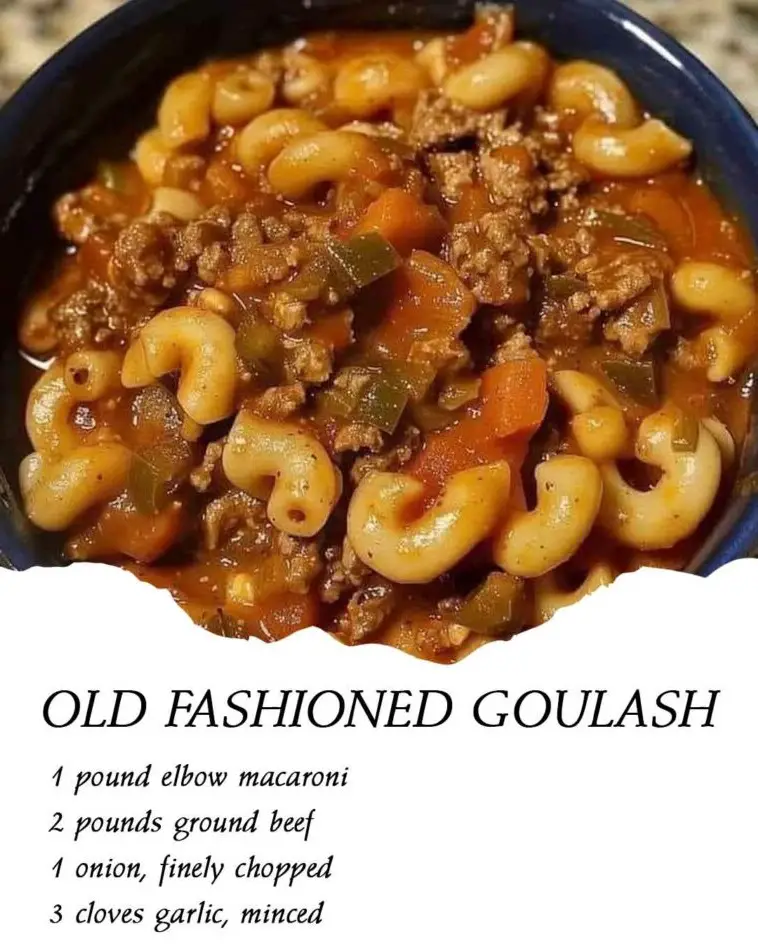
It’s also important not to skip seasoning layers. If you only salt the dish at the end, it won’t taste the same. Adding a little salt when browning the beef, again when adding liquids, and finally when adjusting the finished dish helps each component shine. Under-seasoning is one of the quickest ways to make goulash taste flat.
Lastly, resist the urge to crank up the heat to speed up cooking. This sauce needs time to simmer so the flavors can meld. High heat can burn the bottom, evaporate too much liquid, and cook things unevenly. Slow and steady truly wins here.
Serving Suggestions
I love serving old fashioned goulash with a side of buttery garlic bread. There’s just something magical about dipping warm bread into that rich tomato sauce. Sometimes I pair it with a simple green salad for balance—especially when I want something fresh to contrast the hearty pasta.
Another favorite serving idea is topping each bowl with shredded cheddar or Parmesan cheese. The heat of the goulash melts it instantly, creating a creamy layer across the top. If you like a little kick, a sprinkle of red pepper flakes wakes everything up with just the right amount of heat.
I also enjoy serving this dish family-style in a big pot on the table. Something about letting everyone dig in and serve themselves feels warm and nostalgic, almost like a potluck dinner from my childhood. It’s the kind of dish that brings people together, whether it’s a busy weeknight or a cozy weekend meal.
On cold winter evenings, I sometimes add a dollop of sour cream on top. It sounds unusual, but the tanginess cuts through the richness and creates the most comforting combination. If you’ve never tried it, you’re missing out on an unexpectedly delicious twist.
Variations & Customizations
One variation I love is swapping the ground beef for Italian sausage. It instantly changes the flavor into something deeper and slightly spiced, which is wonderful if you enjoy bold flavors. You can also do a half-and-half mixture to keep things balanced.
If you prefer more vegetables, feel free to add diced zucchini, mushrooms, or even shredded carrots. They blend seamlessly into the sauce and make the meal feel a bit heartier and healthier. I’ve added corn before too, and it brought a nice sweetness that worked surprisingly well.
For a smoky twist, try adding a teaspoon of smoked paprika instead of regular paprika. It transforms the entire dish with a warm, rustic flavor. Or, if you’re craving extra heat, toss in a chopped jalapeño or a teaspoon of chili powder. Goulash is incredibly flexible, and it welcomes experimentation.
You can also turn this into a cheesy baked goulash by transferring the finished dish into a casserole dish, topping it with mozzarella and cheddar, and baking until bubbly. This version is especially loved by kids, and it makes the dish feel even more comforting and indulgent.
How to Store, Freeze & Reheat
Whenever I make goulash, I almost always have leftovers, and thankfully this dish stores beautifully. I let it cool completely before transferring it to airtight containers. In the refrigerator, it stays fresh for up to four days, and I swear it tastes even better after the flavors have had time to mingle.
Freezing is another great option, especially if you like having easy meals ready to go. I portion the goulash into freezer-safe containers and freeze it for up to three months. One tip I learned is to slightly undercook the pasta if you know you’re freezing it; this helps it maintain its texture when reheated.
Reheating is simple. On the stovetop, I warm it gently over medium heat, adding a splash of broth or water if the sauce has thickened too much. Microwaving works too, though I always stir halfway through to make sure the heat distributes evenly. The key is reheating slowly so the pasta doesn’t overcook.
If you’ve frozen it, thaw it overnight in the fridge before reheating. This helps the texture stay intact and keeps the sauce from separating. Once warmed through, it tastes almost as good as the day you made it—sometimes even better.
Nutrition Information
Old fashioned goulash is definitely a comfort dish, but it’s more balanced than people often assume. You get protein from the beef, carbohydrates from the pasta, and fiber plus vitamins from the tomatoes, onions, and peppers. It’s hearty but still feels like real food—not overly heavy or greasy.
The calorie count varies depending on whether you add cheese and how lean your beef is. Using lean ground beef reduces the fat significantly, while topping with cheese increases richness. I like having control over these elements because it lets me tailor the dish to my mood and needs.
Sodium levels can climb with canned tomatoes and broth, but choosing low-sodium versions helps keep things in check. You can also adjust seasonings yourself, which is a benefit over store-bought versions or boxed meals. This homemade approach gives you all the flavor without unnecessary additives.
Overall, I think of this dish as balanced comfort—something soulful and filling that still offers nutrients and lasting energy. It’s the kind of meal that satisfies without feeling overly indulgent, making it perfect for families, weeknights, or meal prep.
FAQ Section
Can I make this with ground turkey instead of beef?
Yes, absolutely. I’ve made this with ground turkey many times, and while the flavor is slightly lighter, it’s still delicious. I like to add an extra splash of Worcestershire or a pinch more paprika when using turkey to boost the depth of flavor.
Can I use a different type of pasta?
Yes. While elbow macaroni is the traditional choice, small shells, rotini, or cavatappi work just as well. Just make sure to cook them separately and fold them in at the end, just like with macaroni.
Can I make this recipe in a slow cooker?
You can, but I recommend browning the beef and sautéing the vegetables first. Then transfer everything except the pasta into the slow cooker and cook on low for 4–6 hours. Add cooked pasta right before serving so it doesn’t turn to mush.
What if my goulash is too thick?
Simply add a splash of beef broth or water until you reach your desired consistency. The pasta absorbs liquid as it sits, so thickening is normal. Adjusting with liquid is an easy fix.
How can I make this spicier?
I love adding red pepper flakes, chili powder, or even a diced jalapeño for extra heat. Start with a small amount and increase until it matches your preferred spice level. Goulash is extremely customizable, so don’t be afraid to experiment.
Conclusion
Every time I make old fashioned goulash, I’m reminded of how powerful simple, honest food can be. This recipe brings warmth, nostalgia, and comfort to any table, and it’s one of those dishes I know I’ll be making for the rest of my life. Whether you’re cooking for your family, feeding a crowd, or enjoying a quiet night at home, this hearty bowl of goodness never disappoints. I hope it fills your kitchen with the same inviting aroma and cozy memories it brings to mine.