
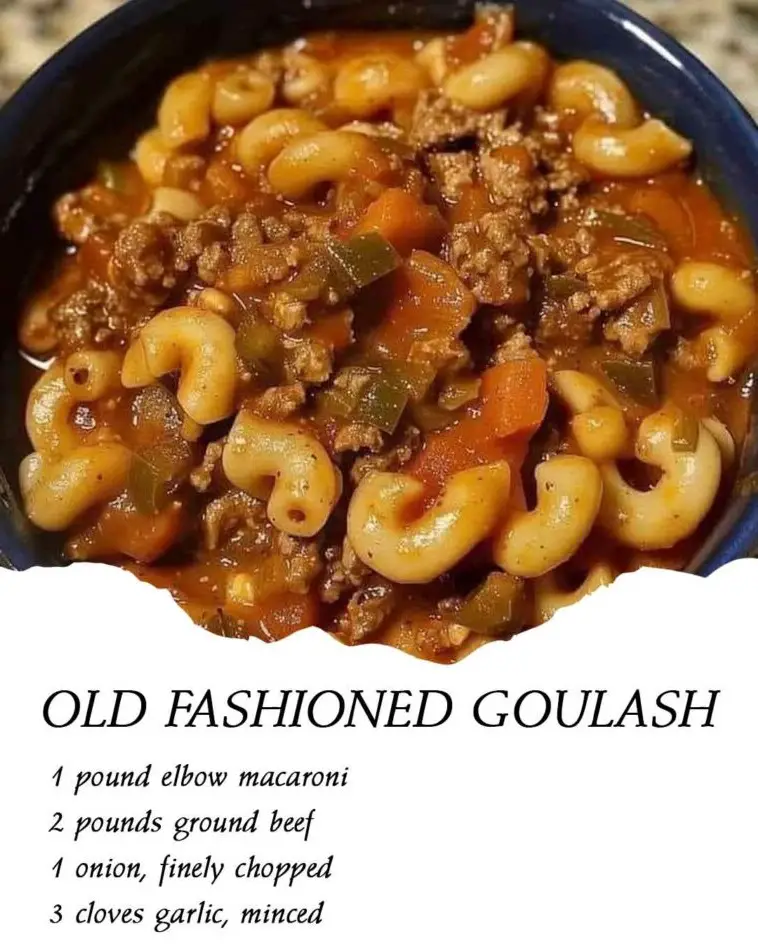
With the sauce bubbling away, I cook the elbow macaroni separately. This is one of those steps I’ve tried skipping before—trust me, don’t do that. Cooking the pasta in the sauce makes everything starchy and too thick. I boil the macaroni until just al dente, knowing it will soften a little more once mixed with the hot goulash. After draining it well, I fold the noodles into the simmering sauce and let everything meld together for several minutes.
Right before serving, I give the pot a final taste to adjust seasoning, sometimes adding a pinch more salt or paprika depending on how bold I want the flavors. If I’m in the mood for extra indulgence, I sprinkle cheddar cheese over the top and let it melt into gooey ribbons. When I finally ladle the goulash into bowls, it’s thick, savory, and perfectly comforting—exactly what old fashioned goulash should be.
Pro Tips for Best Results
I’ve tested this recipe in so many different ways, and one thing I learned quickly is that browning the beef properly makes a massive difference. Don’t rush this step. Let the meat develop color—it deepens the flavor more than any seasoning can. I also recommend sautéing the vegetables in the leftover beef drippings; it builds the base of the sauce and helps everything taste richer.
Another tip I learned the hard way: cook the pasta separately. I know it’s tempting to toss everything in one pot to save time, but it completely changes the texture. When pasta cooks in the sauce, it absorbs too much liquid and turns mushy. For the best results, keep the boiling step separate and fold the pasta in at the end.
Worcestershire sauce may seem like a small detail, but don’t skip it. It adds a savory depth that keeps the dish from tasting too tomato-heavy. If you don’t have it, soy sauce is surprisingly effective as a substitute, though it slightly changes the flavor profile. Either way, that splash of umami makes the sauce taste fuller and more balanced.
Finally, let the finished goulash rest for five minutes before serving. It may sound unnecessary, but this short resting period helps the flavors come together and thickens the sauce just enough to cling beautifully to every piece of pasta. It’s a small step, but one that truly elevates the final dish.
Common Mistakes to Avoid
The first time I made goulash, I didn’t drain the fat after browning the beef—it turned the entire dish greasy. Don’t make that mistake. Leaving a tablespoon or two is fine, but excess grease will float on top and muddy the flavor. A quick drain makes all the difference.
Another mistake I’ve seen is overcooking the pasta. Because the macaroni will continue to soften once mixed into the sauce, aim for al dente. Soft pasta becomes mushy far too fast, especially when reheated. Keeping it slightly firm protects the texture and ensures the dish holds up even the next day.(See the next page below to continue…)