
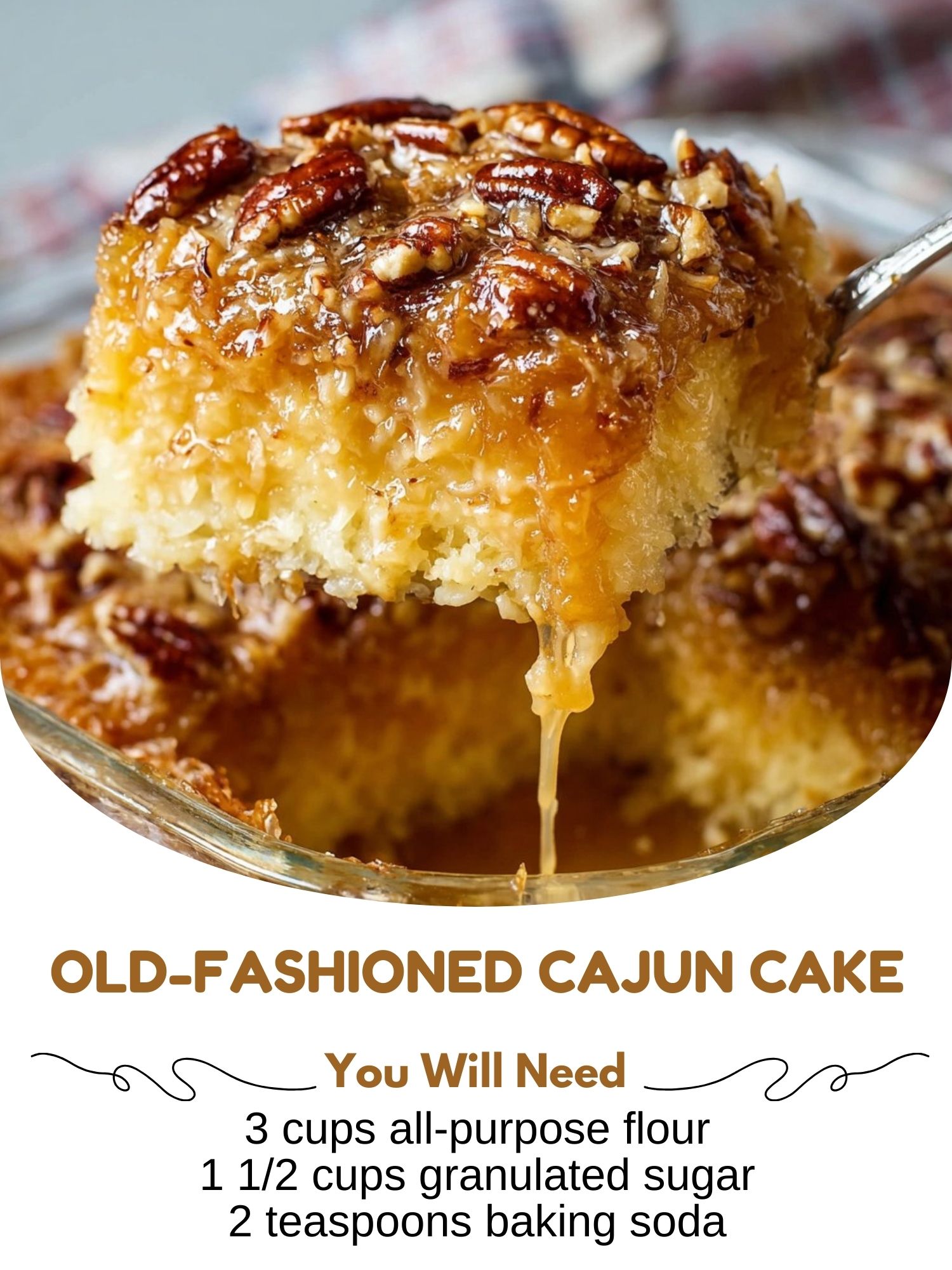
While the cake is baking, I prep my icing ingredients so they’re ready to go. Right after the cake comes out, I melt the butter in a medium saucepan over medium heat. I stir in the brown sugar and evaporated milk. I bring this to a full, rolling boil, stirring constantly. I let it boil for exactly 2 minutes—I set a timer! Then, I remove it from the heat and stir in the vanilla, pecans, and coconut. I immediately and carefully pour this bubbling, fragrant frosting evenly over the hot cake. It will sizzle and seep into the top, creating a magical, gooey layer.
Pro Tips for Best Results
The timing of the frosting is the soul of this cake. I tested this three different ways: frosting a cooled cake (frosting just sat on top, didn’t soak in), frosting a warm cake (good), and frosting a piping hot cake straight from the oven (perfect). Trust me, pouring the boiling frosting onto the hot cake works better. The cake acts like a sponge, absorbing the syrup and creating a moist, almost candied top layer.
For the best cake texture, use a metal pan, not glass. Glass insulates and can cause the edges to over-bake before the center is done. A metal pan promotes even browning and proper rise. I learned this the hard way with a gummy center and overdone edges. If you only have glass, reduce the oven temperature by 25°F and watch it carefully.
When making the boiled frosting, use a medium, not small, saucepan. The mixture will foam up dramatically when it boils. Stir constantly to prevent scorching on the bottom, and don’t walk away during that 2-minute boil. That precise cooking time is what gets the frosting to the perfect thick-but-pourable consistency.
Common Mistakes to Avoid
My biggest first-time mistake was draining the pineapple. I thought all that juice would make the cake soggy. I was so wrong. The cake was dry and dense. Don’t do what I did! Every bit of juice from that can is vital for the cake’s unique, pudding-like moisture. It’s the magic ingredient.(See the next page below to continue…)