
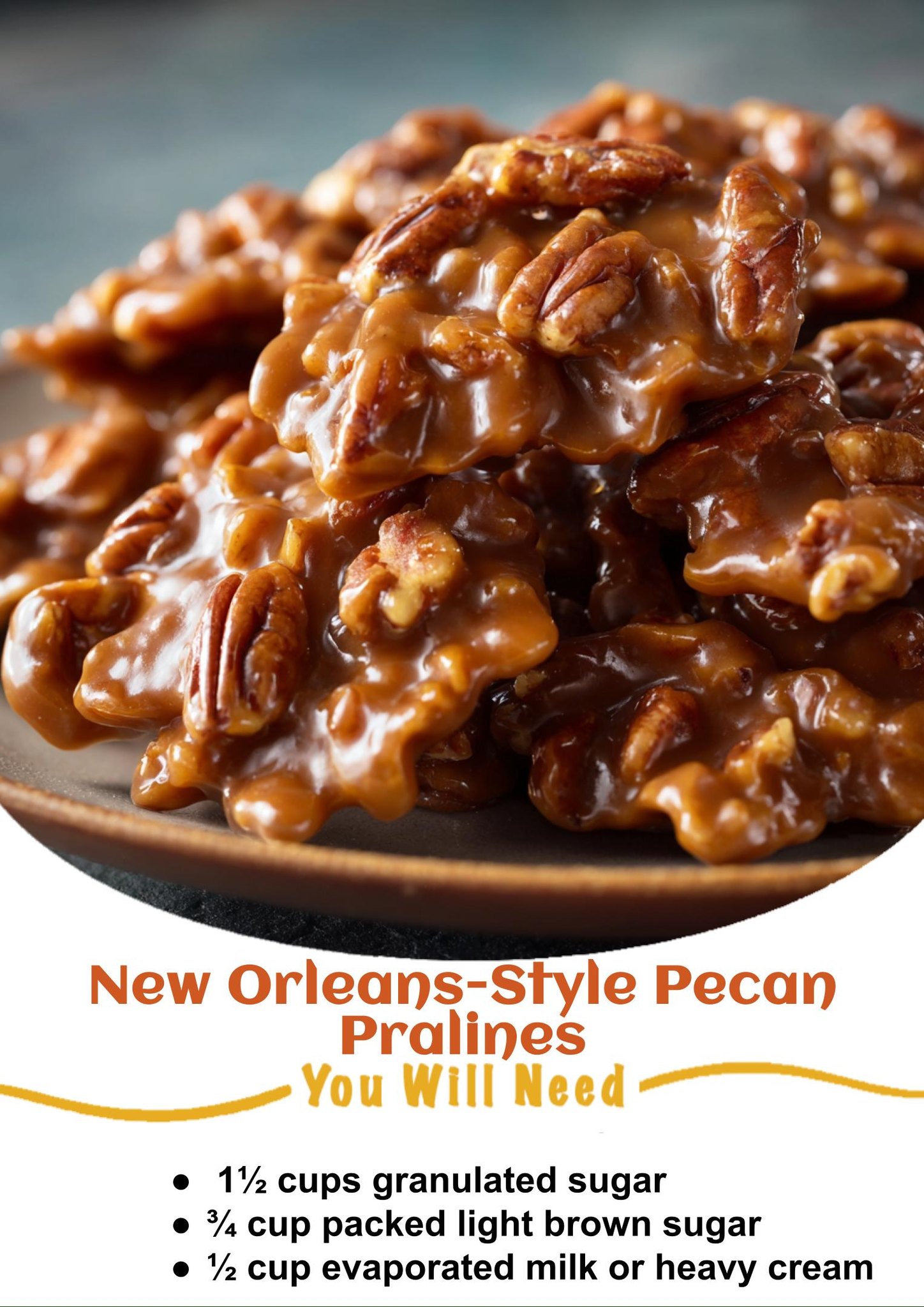
Do not substitute the ingredients, especially the dairy. Using heavy cream instead of evaporated milk will change the fat and water content, affecting how the sugar crystallizes. My test batch with cream was richer but had a different, less classic texture. For authentic New Orleans-style pralines, evaporated milk is the way.
Rushing the cooling stage before beating is a recipe for failure. If you add the pecans and start beating while the syrup is too hot, it won’t crystallize properly and will stay runny. If you wait too long and let it get too cool, it will harden in the pot. Waiting for that precise 220°F drop is the key to the perfect creamy-yet-crumbly texture.
Finally, do not try to double the recipe. A larger volume of syrup will not cook or behave the same way in a standard saucepan. It can boil over, cook unevenly, or not reach the correct temperature stage properly. If you need more, make two separate batches. It’s worth the extra time for perfect results.
Serving Suggestions
I love presenting pralines piled high on a vintage cake plate or in a rustic wooden bowl. They look so generous and inviting. They are the perfect sweet ending to a rich meal, alongside a cup of strong black coffee or chicory coffee, which cuts the sweetness beautifully.
These are my most-requested homemade gift. I wrap each one in a small square of wax paper or cellophane and pack them in a decorative box or tin. A ribbon and a handwritten tag make it a gift from the heart that feels incredibly special and personal.
For a true taste of New Orleans at home, I’ll serve them after a dinner of gumbo or jambalaya. The contrast between the spicy, savory main course and the sweet, nutty praline is an experience in itself. It’s a little culinary vacation on a plate.
Variations & Customizations
For a deeper, more complex flavor, you can use dark brown sugar instead of light. It gives the pralines a richer, almost molasses-like note that’s absolutely delicious. I’ve also added a tiny pinch of cayenne pepper (⅛ tsp) with the vanilla for a sweet-heat kick that’s surprisingly addictive.
If you love chocolate, stir in ½ cup of good-quality chocolate chips along with the pecans. The residual heat will melt them slightly, creating lovely chocolate streaks. You can also sprinkle a little flaky sea salt on top of each praline right after scooping for a gourmet salted caramel effect.
For a fun twist, replace ½ cup of the pecans with chopped, cooked bacon that’s been patted very dry. The salty, smoky bacon with the sweet caramel is an incredible combination that always surprises and delights people.
How to Store, Freeze & Reheat
Store pralines in a single layer in an airtight container at cool room temperature. Place parchment paper between layers if you must stack them. They will keep for about 2 weeks. Do not refrigerate them, as the moisture can make them sticky and cause them to lose their delightful snap.
You can freeze pralines for long-term storage. Wrap each one individually in plastic wrap, then place them in a freezer-safe bag or container. They will keep for up to 3 months. Thaw them unwrapped at room temperature for an hour or two before serving.
Pralines do not need reheating and are best enjoyed at room temperature. If they become slightly sticky, you can place them, uncovered, in a very low oven (200°F) for 5-10 minutes to dry them out slightly, but watch them closely to prevent melting.
Conclusion
Mastering New Orleans Pecan Pralines in my own kitchen has been one of my sweetest victories. They embody the spirit of generosity, patience, and soul-warming flavor. I hope this recipe gives you the confidence to create these little jewels of the South, filling your home with their incredible aroma and your friends with delight. Now, find your heaviest pot, toast those pecans, and get ready to make some sweet, Southern magic.