
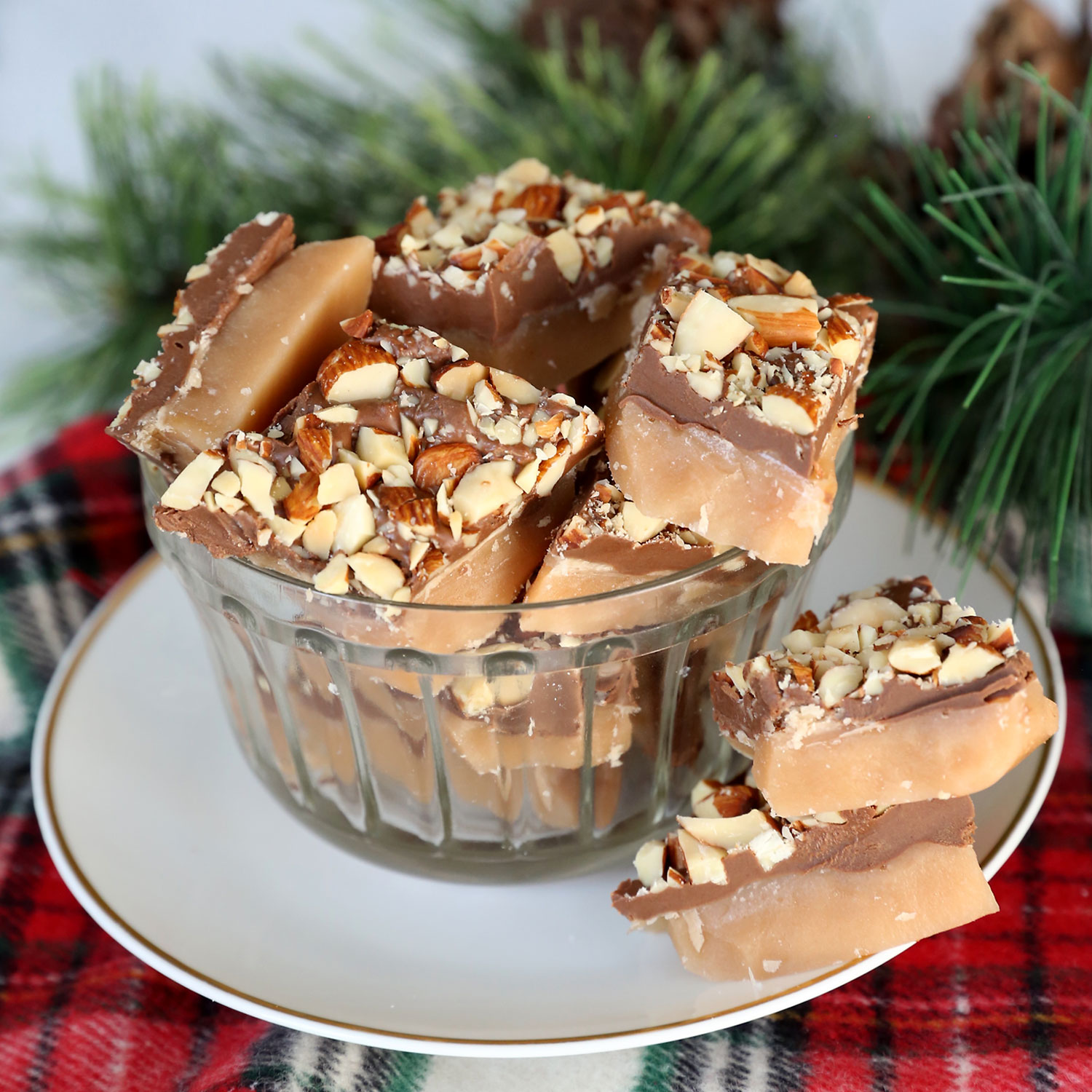
After a couple of minutes, I sprinkle the chocolate chips evenly over the hot toffee. I let them sit for about 3-5 minutes to soften from the residual heat. Then, using an offset spatula, I gently spread the melted chocolate into a smooth, glossy layer over the entire surface. Immediately, I sprinkle the remaining half of the toasted nuts over the wet chocolate, pressing them in lightly so they adhere. Now, the hardest part: patience. I let the toffee cool completely at room temperature until the chocolate is set and the toffee slab is rock hard. This can take a few hours. I then lift it out using the parchment paper, place it on a cutting board, and break it into rustic pieces with my hands or cut it with a sharp knife.
Pro Tips for Best Results
A candy thermometer is non-negotiable. I’ve tried the cold water test (dropping a bit into ice water), but it’s easy to misjudge. 300°F gives you the perfect hard crack texture—brittle, not chewy. If you undercook it, it will be sticky; overcook it, and it can taste burnt. The thermometer is your guide to perfection.
Use a heavy-bottomed saucepan. I tried this in a thin pot once, and the sugar scorched on the bottom before it reached temperature, ruining the whole batch with a bitter taste. A heavy pot distributes heat evenly and protects your precious toffee.
Don’t stir the mixture once it starts boiling. Stirring can encourage sugar crystals to form along the sides of the pan, which can seed crystallization in your whole batch, making it grainy. Let it do its thing, and just watch the thermometer.
Common Mistakes to Avoid
My first-time mistake was not using a thermometer and pulling the toffee off the heat too soon. I thought it looked “caramel-colored enough.” The result was a delicious but frustratingly sticky, teeth-pulling mess that never fully hardened. Trust the temperature, not just the color.(See the next page below to continue…)