
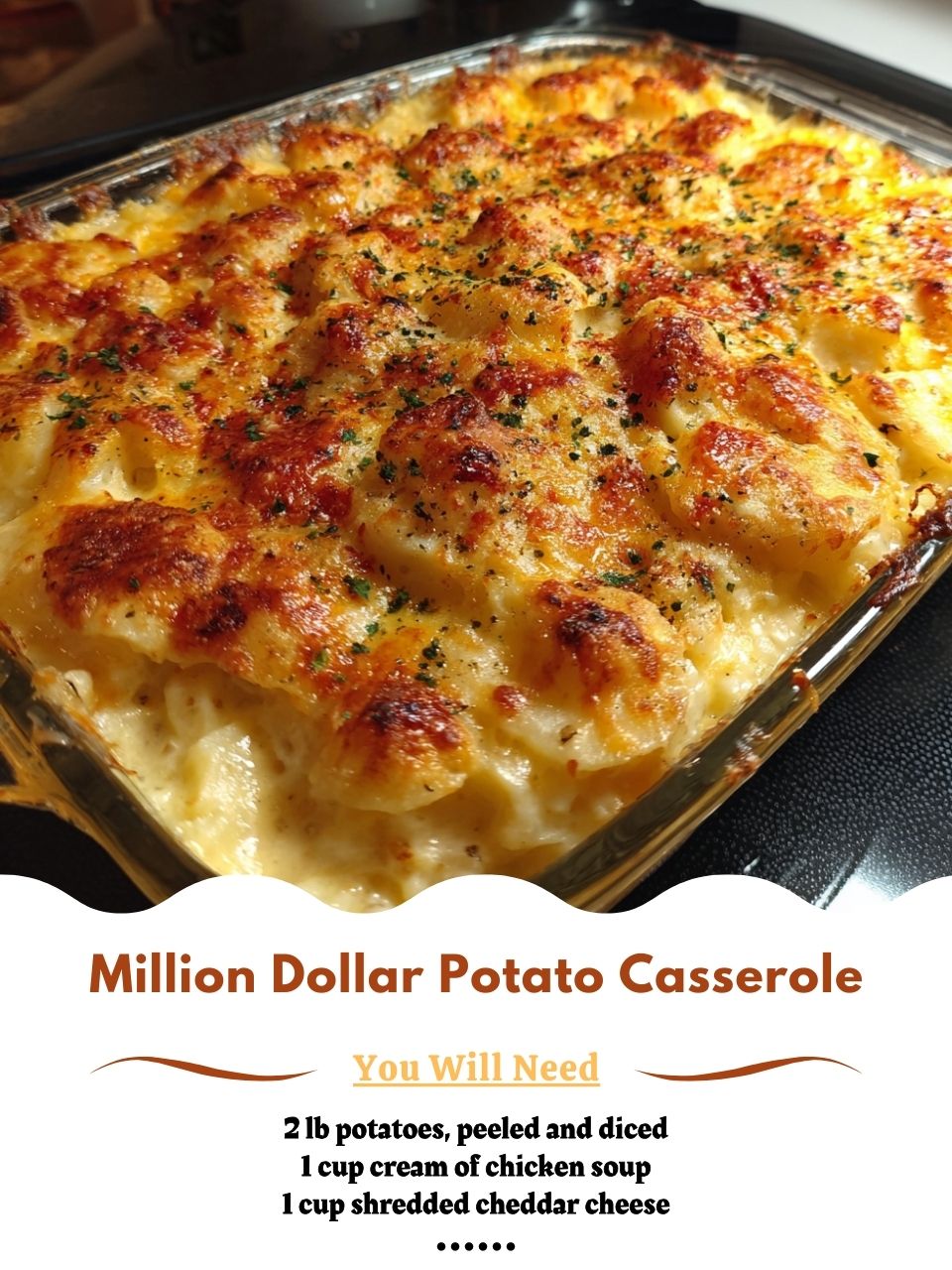
Avoid using cold ingredients straight from the fridge for the sauce. If your sour cream and soup are ice-cold, they’ll cool down the warm potatoes too quickly and make the mixture harder to spread. Let them sit out for 15-20 minutes to take the chill off. It blends more smoothly and bakes more evenly.
Finally, don’t forget to let your melted butter cool slightly before mixing it with the cornflakes. Pouring piping hot butter directly onto the cereal can make it soggy instantly. Let it cool for a minute or two so it’s warm, not hot, for the crispiest possible result.
Serving Suggestions
I love serving this casserole as the star side dish for a holiday feast. It pairs beautifully with a glazed ham, a roasted turkey, or a standing rib roast. Its richness complements the savory meats perfectly, and it stands up boldly next to other classic sides like green bean casserole and sweet potato soufflé.
For a comforting weeknight dinner, I serve it alongside simple roasted chicken breasts or pork chops and a bright, steamed vegetable like broccoli or green beans. It turns an ordinary meal into something special and is guaranteed to satisfy even the heartiest appetites.
This dish is also a potluck superstar. I transport it in the baking dish covered with foil, and it’s always a hit. It’s substantial, feeds a crowd, and tastes just as good at room temperature as it does hot. I often bring the recipe written on a card because someone always asks for it.
Variations & Customizations
For a different flavor profile, swap the cream of chicken soup for cream of mushroom or celery. You can also stir in cooked, crumbled bacon or diced ham into the potato mixture for a hearty main-dish casserole. A friend adds a layer of caramelized onions between the potatoes and the topping, which is divine.
If you’re not a cornflake person, you can use crushed Ritz crackers, panko breadcrumbs mixed with Parmesan, or even French fried onions for the topping. Each gives a different but delicious crunch. For a lighter version, you can use light sour cream and reduced-fat soup, though the texture will be slightly less rich.
To make it a complete meal in one dish, I sometimes layer cooked, shredded chicken or browned ground beef with the potatoes. I’ve also added a cup of frozen peas and carrots to the sauce for extra color and nutrition. It becomes a beloved “kitchen sink” casserole that’s different every time.
How to Store, Freeze & Reheat
Leftovers keep wonderfully. Let the casserole cool completely, then cover the baking dish tightly with foil or transfer portions to airtight containers. It will last in the refrigerator for 3-4 days. The topping will soften in the fridge, but the flavor remains excellent.
You can freeze the assembled, unbaked casserole. Prepare it right up to the point of adding the topping, but do not bake. Cover tightly with several layers of plastic wrap and then foil. Freeze for up to 2 months. When ready to bake, thaw overnight in the fridge, add the fresh topping, and bake as directed, adding 10-15 minutes to the covered bake time.
To reheat, individual portions reheat best in an air fryer or toaster oven at 375°F until hot and the topping re-crisps. For larger amounts, cover with foil and reheat in a 350°F oven for 20-30 minutes. I don’t recommend the microwave for more than a quick warm-up, as it will make the topping very soggy.
Nutrition Information
This is a rich, indulgent side dish, and we should enjoy it as such. It’s a source of carbohydrates from the potatoes, protein and calcium from the dairy and cheese, and provides satisfying fats that carry flavor. It’s meant to be a celebratory part of a balanced meal.
You can modify it to suit different needs by using lower-fat dairy products, reducing the butter, or increasing the vegetable content. But sometimes, the classic, full-flavored version is exactly what a gathering calls for—it’s food that nourishes the spirit as much as the body.
My approach is to serve sensible portions alongside lean proteins and plenty of vegetables. I savor every creamy, crunchy bite without guilt, appreciating it as a special treat that brings people together around the table.
FAQ Section
Can I make this ahead of time?
Absolutely! Assemble the casserole completely (with topping), cover, and refrigerate for up to 24 hours before baking. You may need to add 5-10 minutes to the bake time since it will be going into the oven cold. It’s my favorite holiday stress-saver.
Can I use frozen diced potatoes?
You can, but you shouldn’t boil them. Thaw them completely and pat them very dry with paper towels to remove excess moisture. The texture will be slightly different, but it will work in a pinch. The excess water from frozen potatoes can make the sauce runny.
My sauce seems too thick/dry. What can I do?
If your sauce seems too thick before baking, you can stir in a splash of milk or broth to loosen it. If it seems dry after baking, it may have been over-baked. Next time, check earlier, and ensure you’re using full-fat soup and sour cream for the creamiest result.
Conclusion
This Million Dollar Potato Casserole is more than a recipe—it’s a edible heirloom, a dish that creates memories and gathers people around the table. It’s humble in its ingredients but magnificent in its result. I hope this recipe finds its way into your kitchen and becomes a beloved tradition for your family, bringing warmth, comfort, and that incredible crispy-cheesy bite for years to come.