
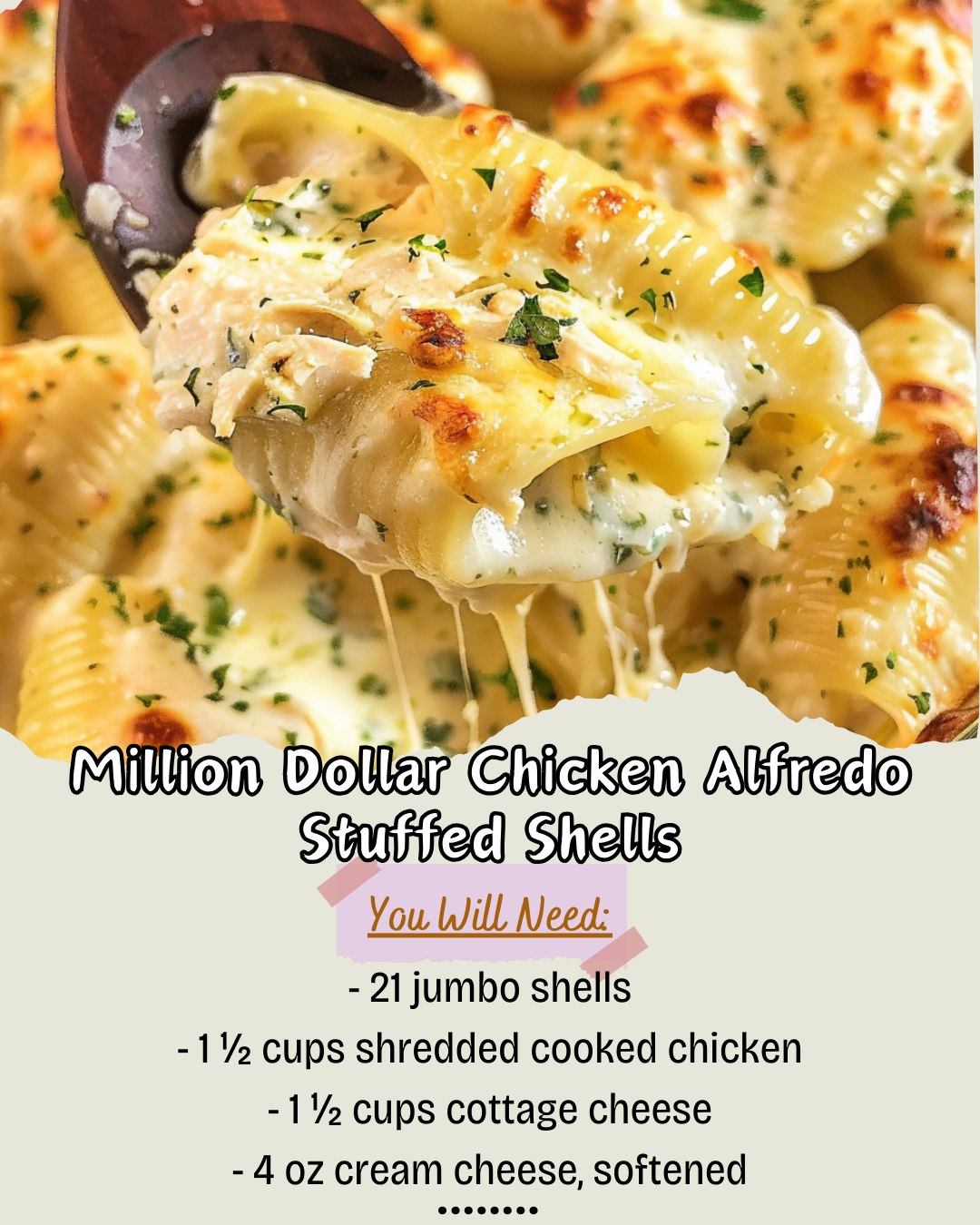
Skipping the step of putting sauce on the bottom of the dish is a critical error. The shells need that immediate moisture to steam and cook evenly from below. Without it, the bottoms can become tough and stick to the pan. That initial layer of sauce is what guarantees every single shell is enveloped in creamy goodness from top to bottom.
Using cold filling straight from the fridge will drastically increase your baking time and can lead to uneven cooking. If you prep your filling ahead of time, let it sit on the counter for 20-30 minutes to take the chill off before stuffing the shells. This helps the entire dish heat through uniformly, ensuring the center is as hot and bubbly as the edges.
Serving Suggestions
I love serving these shells straight from the baking dish, letting the steam and aroma be part of the presentation. For a complete Italian feast, I pair them with a simple, crisp Caesar salad loaded with crunchy croutons and a warm, crusty loaf of garlic bread for dipping into the extra Alfredo sauce on the plate. It’s a meal that feels celebratory.
For a lighter, more balanced plate, I serve two or three shells as the main event alongside a big heap of roasted broccoli or asparagus. The bright, slightly charred vegetables cut through the richness of the pasta beautifully. A simple arugula salad with lemon vinaigrette also works wonders to refresh the palate between bites.
When I’m hosting a dinner party, I prepare individual servings in small, shallow gratin dishes. I place two stuffed shells in each, spoon extra sauce over the top, sprinkle with cheese, and bake. It makes for an elegant, personalized presentation that always impresses my guests. A sprinkle of fresh chopped parsley or basil on top adds a pop of color.
If I have any leftovers (a rare occurrence!), I love reheating a couple of shells for a decadent lunch. I’ll sometimes chop them up and toss them with some fresh spinach and halved cherry tomatoes for a fantastic pasta salad. The creamy filling acts as its own dressing, making for a completely different but equally delicious meal.
Variations & Customizations
For a “Tuscan” twist, I add a handful of chopped sun-dried tomatoes and about a cup of fresh baby spinach to the filling. The spinach wilts perfectly as it bakes, and the sun-dried tomatoes add a wonderful sweet-tangy note. A sprinkle of red pepper flakes adds a nice warmth that complements the creamy Alfredo base beautifully.
You can easily swap the protein. Diced ham and cooked Italian sausage are fantastic alternatives to chicken. For a seafood version, try using lump crab meat or small cooked shrimp. Just be gentle when mixing them into the filling. I’ve even made a vegetarian version with sautéed mushrooms and artichoke hearts that was absolutely divine.
The cheese blend is very adaptable. While the Parmesan is non-negotiable for flavor, you can experiment with the melty cheese. A blend of mozzarella and Fontina is extra creamy. For a sharper bite, use a combination of mozzarella and Asiago. I sometimes add a few tablespoons of grated Romano cheese to the filling for an extra savory punch.
For those who love a tomato element, you can create a rosé-style dish. Use half Alfredo sauce and half marinara sauce, either swirled together or layered. You could also do a simple drizzle of pesto over the top after baking for a vibrant, herby flavor. The basic stuffed shell method is wonderfully versatile.
How to Store, Freeze & Reheat
To store leftovers, I let the baked dish cool completely, then cover it tightly with plastic wrap or transfer portions to airtight containers. It will keep in the refrigerator for up to 4 days. The pasta will continue to absorb sauce, so when reheating, I always add a small splash of milk or cream to restore the sauciness.
This is an exceptional dish to freeze. You can freeze it either before or after baking. To freeze unbaked, assemble the dish completely, wrap it tightly in both plastic wrap and heavy-duty foil, and freeze for up to 3 months. Thaw in the refrigerator overnight before baking as directed, adding a few extra minutes to the bake time.
To freeze after baking, let the dish cool, cut into portions, and wrap each individually. Reheating from frozen is best done in the oven at 350°F, covered with foil, for 25-35 minutes. For a single portion, the microwave works in a pinch (about 3-4 minutes on medium power), but the oven preserves the texture of the pasta far better.
You can also freeze just the stuffed, uncooked shells on a baking sheet before saucing. Once frozen solid, transfer them to a freezer bag. When ready to bake, place the frozen shells in a sauced dish, top with more sauce and cheese, and bake covered for about 45-50 minutes. It’s the ultimate homemade freezer meal.
Nutrition Information
Let’s be upfront: this is a rich, indulgent dish meant for special occasions or treating your family. It’s packed with protein from the chicken, eggs, and dairy, and the cheeses and cream contribute significant fat and calories. The pasta shells add carbohydrates, making it a very satisfying, energy-dense meal that is incredibly filling.
You can make some modifications for a lighter version. Use low-fat cottage cheese, Neufchâtel cream cheese, part-skim mozzarella, and a light Alfredo sauce. The texture will be slightly less decadent but still delicious. Adding more shredded chicken or vegetables like spinach to the filling can also help increase the nutrient density per serving.
A single serving of 2-3 shells is usually very satisfying. I always balance it out with a large portion of non-starchy vegetables or a salad. This helps create a more rounded meal and offsets the richness. It’s about enjoying this incredible comfort food mindfully, as part of an overall balanced diet.
In my kitchen, this recipe is about celebration and joy. It’s about the pleasure of sharing something homemade that feels extraordinarily special. The “million dollar” experience comes from the love and care that goes into making it and the happiness it brings to the table. That kind of nourishment is priceless.
FAQ Section
Can I use ricotta cheese instead of cottage cheese?
You can, but the texture and flavor will be different. Cottage cheese melts into a creamier, richer, and slightly tangier filling that truly gives the “million dollar” mouthfeel. Ricotta tends to be grainier and drier. I’ve tried both, and my family unanimously prefers the cottage cheese version. It’s worth trying the original way first.
Do I have to use a hand mixer for the cream cheese?
No, but it’s highly recommended for achieving a perfectly smooth filling. If you don’t have one, ensure your cream cheese is very, very soft. Then, use a sturdy whisk and some serious elbow grease to beat it in a bowl until completely smooth before adding the other ingredients. A few small lumps are okay, but try to minimize them.
My shells cracked while boiling. What did I do wrong?
This usually happens if the water isn’t at a vigorous, rolling boil when you add the pasta, or if you stir them too aggressively. Gently add the shells to the furious boil and give them one gentle stir to prevent sticking. Using a large pot with plenty of water also helps them move freely and cook evenly.
Can I make this completely ahead of time?
Absolutely! You can assemble the entire dish, cover it, and refrigerate it for up to 24 hours before baking. You may need to add 10-15 minutes to the bake time since it will be starting from cold. This actually allows the flavors to meld even more, making it a fantastic do-ahead meal for entertaining.
What’s the best way to shred chicken for this?
Using a stand mixer is my secret weapon! Place warm, cooked chicken breasts (or rotisserie chicken meat) in the bowl of a stand mixer fitted with the paddle attachment. Mix on low speed for 30-45 seconds, and it will shred itself perfectly. It’s fast, easy, and gives you the ideal texture for the filling.
Conclusion
These Million Dollar Chicken Alfredo Stuffed Shells are more than just a meal in my home; they’re a edible heirloom. They represent the joy of cooking something beautiful, the comfort of creamy pasta, and the happiness of a shared table. I hope this recipe brings a touch of that priceless, creamy magic to your kitchen and becomes a treasured favorite for your own family. Now, go boil those shells—your million dollar dinner awaits.