
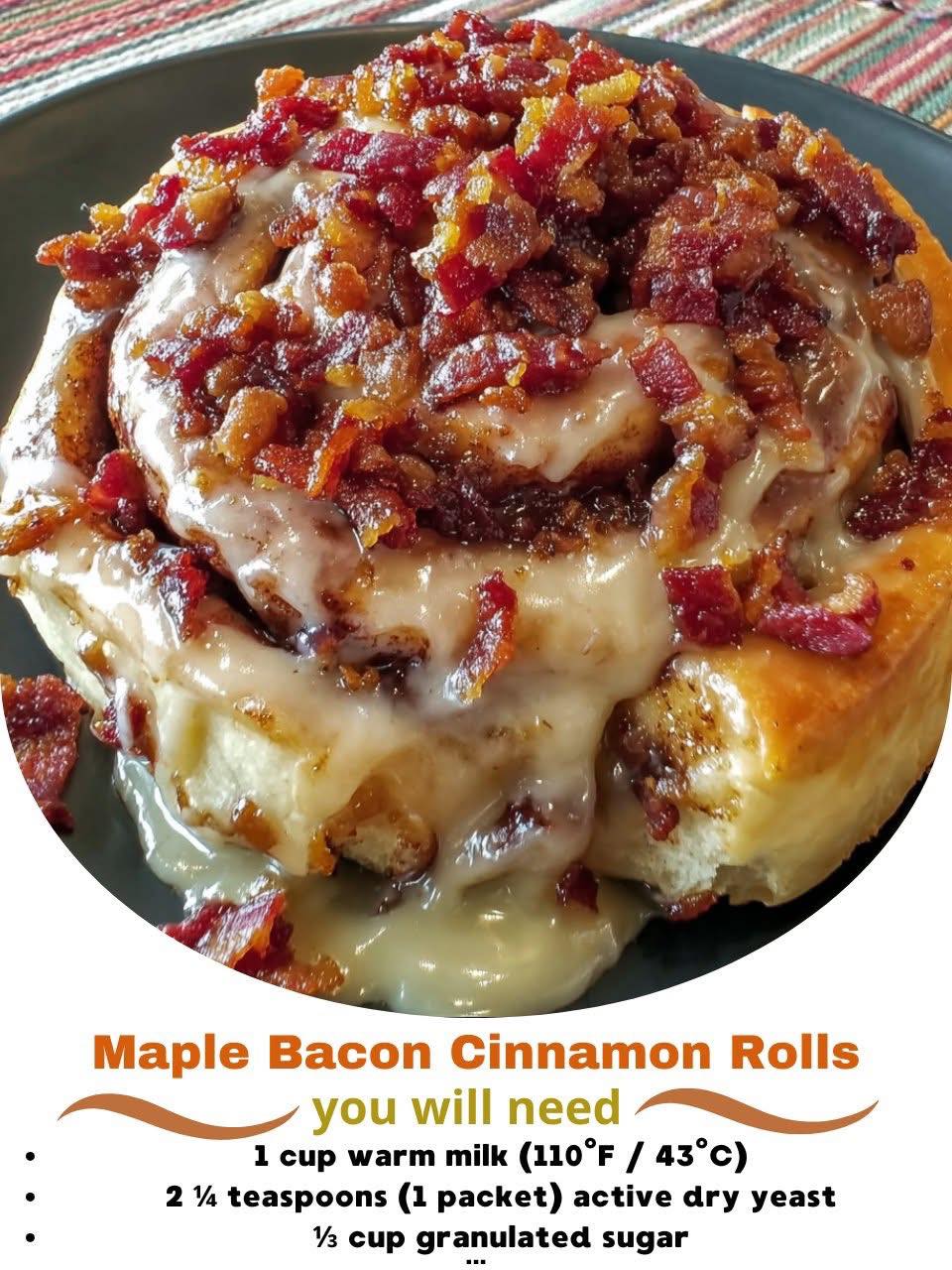
Starting from one long side, I roll the dough up tightly into a log, pinching the seam to seal at the end. Using a sharp serrated knife or a length of unflavored dental floss (my preferred method—it doesn’t squish the dough!), I cut the log into 12 even rolls. I place them in my greased baking pans, cover them again, and let them rise for a second time until puffy, about 30-45 minutes. Meanwhile, I preheat my oven to 350°F. I bake the risen rolls for 22-25 minutes, until they are a deep, golden brown on top and sound hollow when tapped. The smell is absolutely incredible.
Pro Tips for Best Results
For the most dramatic, picture-perfect rise, do an overnight cold proof. After the first rise, I’ll roll out the dough, add the filling, slice the rolls, and place them in the pan. Then, instead of the second rise at room temperature, I cover the pan tightly with plastic wrap and let them rise slowly in the refrigerator overnight. In the morning, I take them out, let them sit on the counter for 30 minutes, then bake. This slow rise develops incredible flavor and makes for the fluffiest texture.
I’ve tested the bacon application three different ways: mixed into the cinnamon sugar, sprinkled on top before baking, and sprinkled on top after baking. Mixing it into the filling is the winner. When baked inside, the bacon flavor infuses the entire roll and the bits stay crisp. If you put it on top, it can burn or become too hard. Fold those smoky bits right into the swirl.
To prevent a dry, tough crust on your rolls, create a steamy oven environment. Just before I put the pan in the oven, I carefully place a small, oven-safe dish of boiling water on the bottom rack. The steam helps keep the rolls soft and allows them to rise even more in the first few minutes of baking, giving you that bakery-style, tender pull-apart texture.
Common Mistakes to Avoid
My biggest first-time mistake was killing the yeast with milk that was too hot. I heated it in the microwave without checking and poured it right in. Ten minutes later, I had a sad, flat bowl of milk. Don’t do what I did! Use a thermometer. The 110°F target is crucial. If you don’t have one, the milk should feel warm to your wrist, not hot.(See the next page below to continue…)