
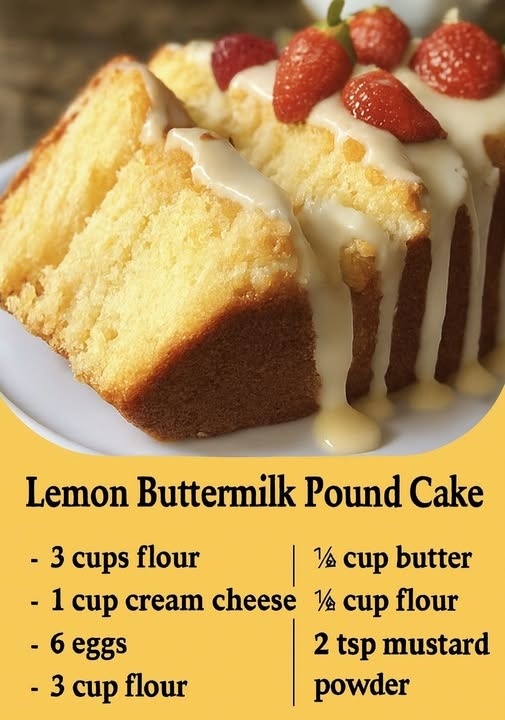
The first time I made this Lemon Buttermilk Pound Cake, my kitchen was filled with the brightest, sunniest aroma. The sharp, clean scent of fresh lemon zest mixed with the rich, comforting smell of butter and sugar creaming together. As it baked, that golden crust formed and the entire house smelled like a cozy bakery with a citrusy twist. Waiting for it to cool was pure torture, but that first slice—dense, moist, and bursting with tangy lemon flavor—was worth every second. It was the perfect balance of sweet and tart, and it’s been my go-to cake for every spring gathering since.
Why You’ll Love This Recipe
You’ll love this recipe because it’s the ultimate simple, elegant cake. It’s incredibly moist and tender from the buttermilk, with a dense, velvety crumb that holds up beautifully. The lemon flavor is bright and refreshing, not overpowering. It requires no fancy frosting or decorations to be spectacular—just a simple dusting of powdered sugar or a quick glaze lets the classic flavors shine. It’s a foolproof crowd-pleaser that feels special enough for a party but easy enough for a Sunday afternoon.(See the ingredients in the next page below…)
Ingredients
For the Cake:
- 1 cup (2 sticks / 226g) unsalted butter, softened to room temperature
- 1 cup (8 oz / 226g) full-fat cream cheese, softened to room temperature
- 3 cups (600g) granulated sugar
- 6 large eggs, at room temperature
- 3 cups (360g) all-purpose flour, spooned and leveled
- ¼ teaspoon baking soda
- ½ teaspoon salt
- 1 cup (240ml) buttermilk, at room temperature
- Zest of 2 large lemons
- ¼ cup (60ml) fresh lemon juice
- 2 teaspoons pure vanilla extract
For the Lemon Glaze (Optional):
- 1 cup (120g) powdered sugar
- 2-3 tablespoons fresh lemon juice
Equipment Needed
- 10-inch tube pan or Bundt pan
- Stand mixer or hand mixer
- Large mixing bowls
- Whisk and spatula
- Zester and juicer
- Cooling rack
- Measuring cups and spoons
Step-by-Step Instructions
Start by preheating your oven to 325°F. This lower temperature is key for a pound cake—it ensures the center cooks through without over-browning the edges. Generously grease and flour your tube pan. Don’t skimp on this step; there’s nothing sadder than a beautiful cake stuck in the pan. In a medium bowl, whisk together the flour, baking soda, and salt. In another bowl or measuring jug, combine the buttermilk, lemon zest, lemon juice, and vanilla extract.(See the next page below to continue steps…)
In your mixer bowl, cream together the softened butter, cream cheese, and sugar. This is the most important step. Beat them on medium-high speed for a full 5-7 minutes until the mixture is extremely pale, fluffy, and almost like a thick whipped cream. I set a timer because it takes longer than you think. Scrape down the bowl halfway through. This step incorporates air and is the secret to the cake’s fine texture.
With the mixer on low, add the eggs one at a time, beating well after each addition and scraping the bowl as needed. The mixture should look smooth and glossy. Now, alternately add the dry ingredients and the buttermilk mixture. Start and end with the dry ingredients. I add about one-third of each at a time, mixing on low just until combined. Overmixing at this stage will lead to a tough cake. The batter will be thick, silky, and fragrant.
Pour the thick batter into your prepared pan and smooth the top. Tap the pan firmly on the counter a few times to release any large air bubbles. Bake for 75-90 minutes. Ovens vary, so start checking at 75 minutes. The cake is done when a long skewer inserted near the center comes out clean, the top is a deep golden brown, and the cake pulls away slightly from the sides of the pan.
Pro Tips for Best Results
Room temperature ingredients are non-negotiable. Cold cream cheese or eggs will not incorporate properly, leading to a curdled batter and a dense cake. I take everything out at least 2 hours before I start. If you forget, you can warm eggs in a bowl of warm water for 10 minutes, and microwave cream cheese in 5-second bursts until it yields to a gentle press.
Cream the butter, cream cheese, and sugar until it’s truly transformed. I didn’t do this long enough the first time, and my cake was a bit heavy. You want it to be almost white and very fluffy. This step creates the cake’s structure and tender crumb.
Don’t open the oven door for at least the first hour of baking. A draft can cause the delicate cake to fall. Use your oven light to peek. The long, slow bake is what gives it that perfect, crackly top and even texture throughout.
Common Mistakes to Avoid
Don’t use cold ingredients. I learned this the hard way. My batter looked grainy and never fully smoothed out, resulting in a denser texture. Patience is key—let everything warm up.(See the next page below to continue…)
Don’t overmix after adding the flour. Gluten development is the enemy of a tender pound cake. Mix on low speed and stop the moment the last streak of flour disappears.
Don’t underbake. A pound cake is dense, so a tester must come out completely clean. If there’s any wet batter, it needs more time. An underbaked center will sink and be gummy as it cools.
Don’t try to remove the cake from the pan too soon. Let it cool in the pan on a wire rack for 20 minutes. This allows it to set and contract slightly, making release much easier. Then, invert it onto the rack to cool completely.
Serving Suggestions
I love serving this cake simply dusted with powdered sugar. It highlights the beautiful golden crust and crackly top. A slice with a cup of hot tea or coffee is absolute perfection.
For a more decadent treat, I drizzle the optional lemon glaze over the completely cooled cake. The extra tangy sweetness soaks in slightly and makes it even more moist. It’s a gorgeous, glossy finish.
This cake is fantastic with fresh berries. I serve a slice with a handful of raspberries, blueberries, or macerated strawberries and a dollop of softly whipped cream. The berries complement the lemon beautifully.
Variations & Customizations
For a Lemon Blueberry version, gently fold 1 ½ cups of fresh or frozen (not thawed) blueberries into the batter at the very end. The burst of berry flavor is amazing.
Try using different citrus. An Orange Buttermilk Pound Cake made with orange zest and juice is wonderfully fragrant. A Lime version is also fantastic and more tropical.
For a simple glaze variation, add a tablespoon of poppy seeds to the batter and make a glaze with lemon juice and a teaspoon of almond extract. It creates a lovely texture and flavor.
How to Store, Freeze & Reheat
Store the completely cooled cake, wrapped tightly in plastic wrap or in an airtight container, at room temperature for up to 3 days. The flavor actually improves on the second day.
You can freeze this cake for up to 3 months. Wrap the whole cake or individual slices tightly in plastic wrap, then in aluminum foil. Thaw overnight in the refrigerator or at room temperature.
There’s no need to reheat this cake, as it’s sublime at room temperature. However, if you prefer it slightly warm, you can microwave a slice for 10-15 seconds.
Conclusion
This Lemon Buttermilk Pound Cake is a testament to the beauty of simple, classic baking. It’s a reliable recipe that yields stunning results every time—a cake that’s as comforting as it is impressive. I hope it brings a little sunshine and a lot of deliciousness to your kitchen. Now, go zest those lemons and preheat that oven. Your new favorite cake is waiting.