
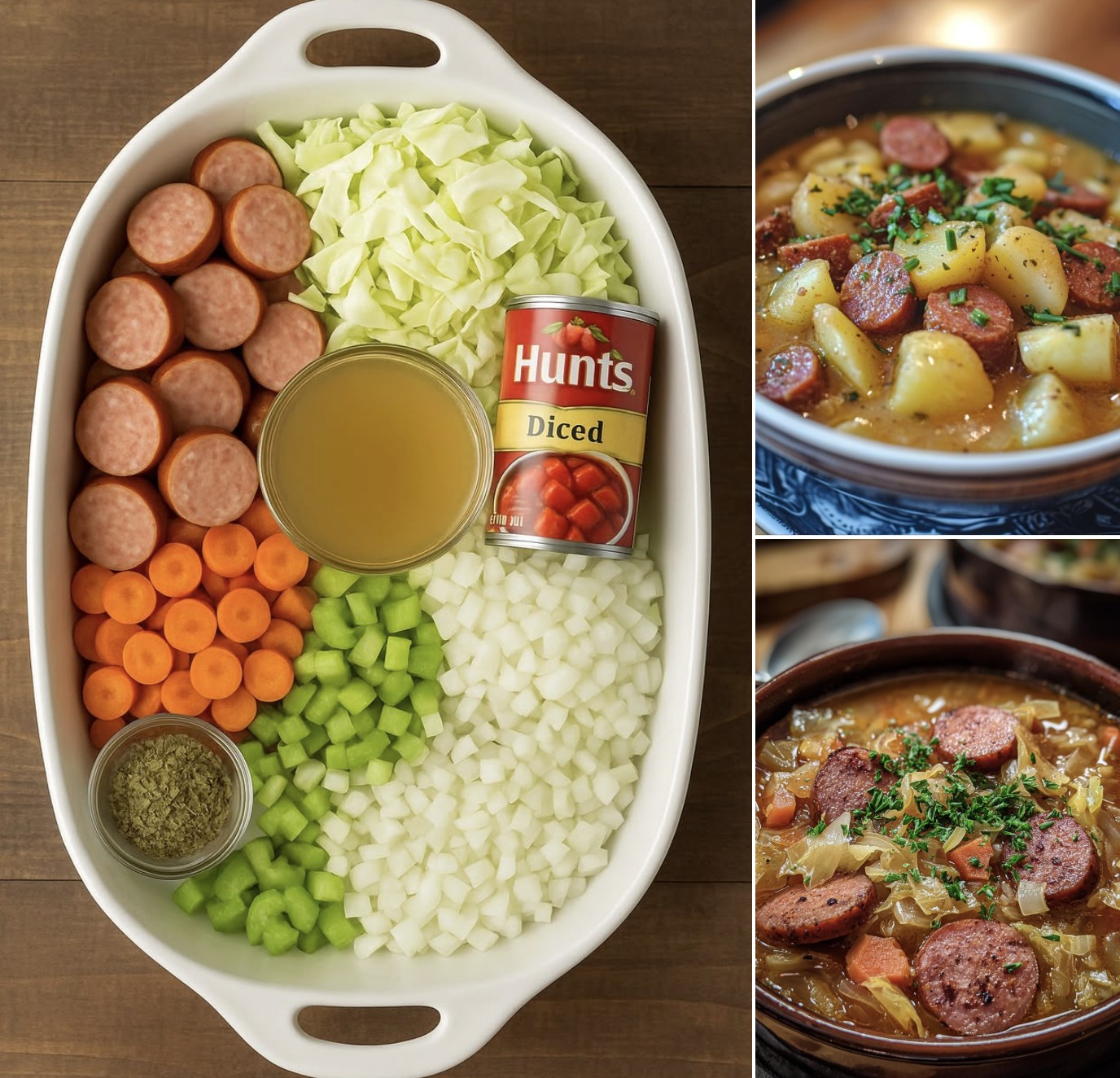
Bring the soup to a boil, then immediately reduce the heat to low, cover the pot with a lid, and let it simmer gently for 25-30 minutes. You’re looking for the cabbage to be completely tender and silky, and the carrots to be soft. About 5 minutes before serving, remove the pot from the heat. Fish out and discard the bay leaves. Now, stir in the apple cider vinegar or lemon juice. This is the transformative moment. Taste the broth—it will have gone from good to bright and incredible. Season with salt and plenty of freshly cracked black pepper to your liking.
Pro Tips for Best Results
I tested the kielbasa preparation three different ways: boiled, added raw to the broth, and pan-seared first. Pan-searing is the undisputed champion. Boiling it leached out too much flavor into the water, and adding it raw left the broth greasy and the sausage bland. Taking those few minutes to get a proper sear on the slices gives the soup a rich, caramelized backbone that permeates every single spoonful. Don’t rush this step.
Here’s what I learned the hard way about the cabbage: how you cut it matters. If you chop it too finely, it can almost dissolve into the soup, turning it murky. If the pieces are too large, they’re unwieldy to eat. I aim for 1 to 1.5-inch pieces—they hold their shape beautifully and become meltingly tender. Also, core your cabbage thoroughly; the tough core never softens properly and can leave unpleasant, hard bits in your soup.
For the most flavorful broth, let the soup rest for 10-15 minutes after adding the vinegar and before serving. This off-heat resting time allows the flavors to fully marry and mellow. The soup will still be piping hot, but the broth will taste more rounded and complete. I often make it ahead and reheat it for dinner for this very reason—the leftovers are arguably better.
Common Mistakes to Avoid
My first batch was disappointingly greasy because I didn’t drain any of the sausage fat after browning. Kielbasa releases a lot of flavorful fat, but too much can make the soup feel heavy and coat your lips. After browning, I now spoon out all but about 1 tablespoon of the rendered fat before adding my vegetables. This leaves enough for flavor without the greasiness.(See the next page below to continue…)