
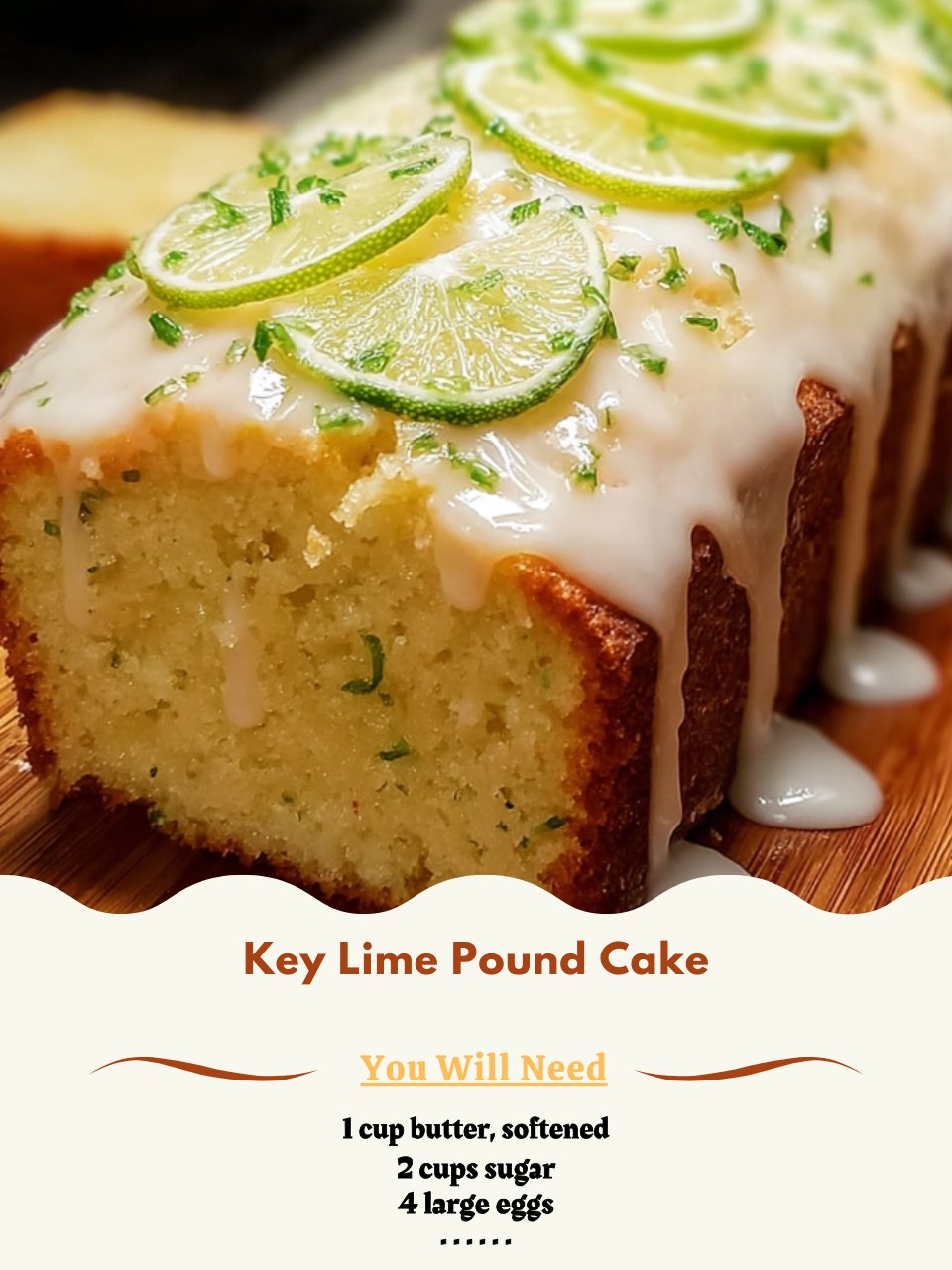
I spoon the thick batter into my prepared bundt pan and smooth the top with a spatula. I give the pan a few gentle taps on the counter to release any large air bubbles. It bakes for 60-75 minutes. The cake is done when a long skewer inserted near the center comes out clean, the top is golden brown, and the edges just begin to pull away from the sides of the pan. I learned to trust the skewer test over color alone. I let the cake cool in the pan on a wire rack for 25 minutes—no less! This allows it to set. Then, I carefully invert it onto the rack to cool completely before glazing.
Pro Tips for Best Results
For the most intense lime flavor, I steep the lime zest in the sugar. Before I start creaming, I rub the lime zest into the granulated sugar with my fingers until the sugar is fragrant and slightly damp. This releases the essential oils from the zest directly into the sugar, infusing the entire cake with flavor. I tested this three different ways, and this method made the flavor pop.
To guarantee a clean release from a bundt pan, I use a paste made from 1 tablespoon of melted butter and 1 tablespoon of flour. I brush it into every nook and cranny of the cold pan. This creates a non-stick barrier that’s more reliable than spray alone. I’ve never had a cake stick since I started doing this.
Make the glaze while the cake is cooling. I simply whisk together 1 cup of powdered sugar with 1-2 tablespoons of fresh key lime juice until it’s a thick but pourable consistency. I drizzle it over the completely cooled cake so it sets into a beautiful, crisp, sweet-tart shell.
Common Mistakes to Avoid
My first attempt failed because my ingredients were cold. The butter and sour cream refused to blend smoothly with the sugar and eggs, resulting in a curdled-looking batter that baked into a dense, coarse cake. True room temperature (around 70°F) is not a suggestion—it’s the law for pound cake success.(See the next page below to continue…)