
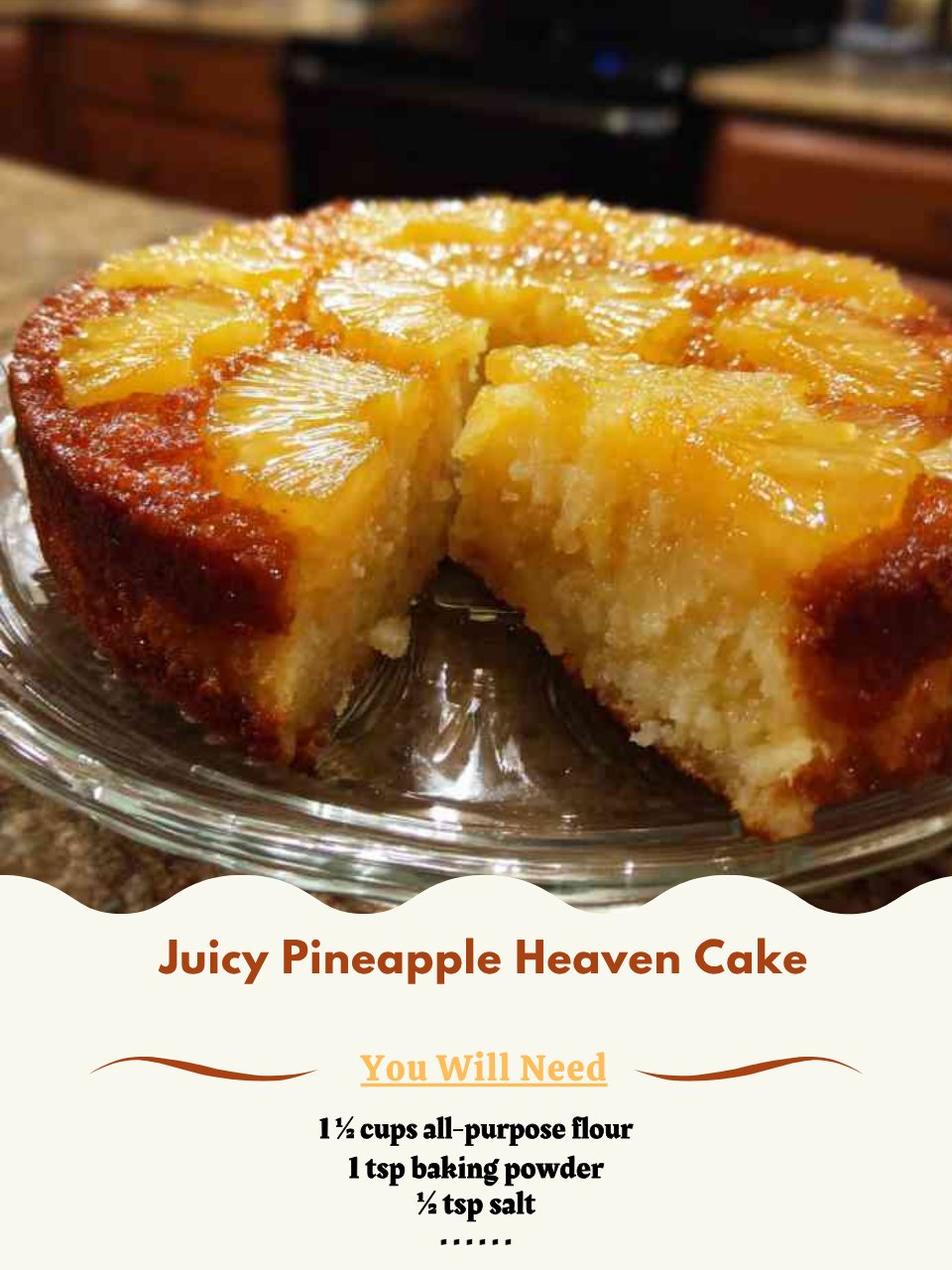
Carefully place the pan in a preheated 350°F (175°C) oven. As it bakes for 45-50 minutes, a wondrous inversion happens. The heavy, buttery brown sugar topping sinks down through the batter, creating sweet, juicy channels, while the cake rises up around it. The top will become a gorgeous, deep golden brown and will crackle like the surface of a crème brûlée. Your kitchen will smell incredible. The cake is done when the top is firm and a toothpick inserted into the center (avoiding a major pineapple pocket) comes out clean or with a few moist crumbs.
Pro Tips for Best Results
The type of pan you use matters. I’ve tested this in metal, glass, and ceramic. A glass or ceramic pan yields the best result because it heats more gently and evenly, allowing the topping to sink properly without the edges overcooking. A dark metal pan can cause the crust to become too dark too quickly. If you only have metal, reduce the oven temperature by 25 degrees.
For an extra burst of flavor, add a teaspoon of cinnamon or a pinch of nutmeg to the brown sugar and butter as it melts. I tested this on a whim one fall, and the warm spice paired with the pineapple was absolutely divine. It adds a subtle depth that makes the cake even more complex and comforting.
Let the cake cool in the pan on a wire rack for at least an hour before cutting. This is crucial. The juicy pineapple and syrup need time to be reabsorbed and set. If you cut into it while piping hot, it will be a delicious but soupy mess. The waiting period is tough but essential for perfect, clean slices.
Common Mistakes to Avoid
The cardinal sin is draining the pineapple. I made this mistake the first time because the recipe seemed too simple, and I thought I knew better. The resulting cake was dense, dry, and lacked the signature “juicy heaven” quality. The undrained juice is the secret moisture agent. Trust the can.(See the next page below to continue…)