
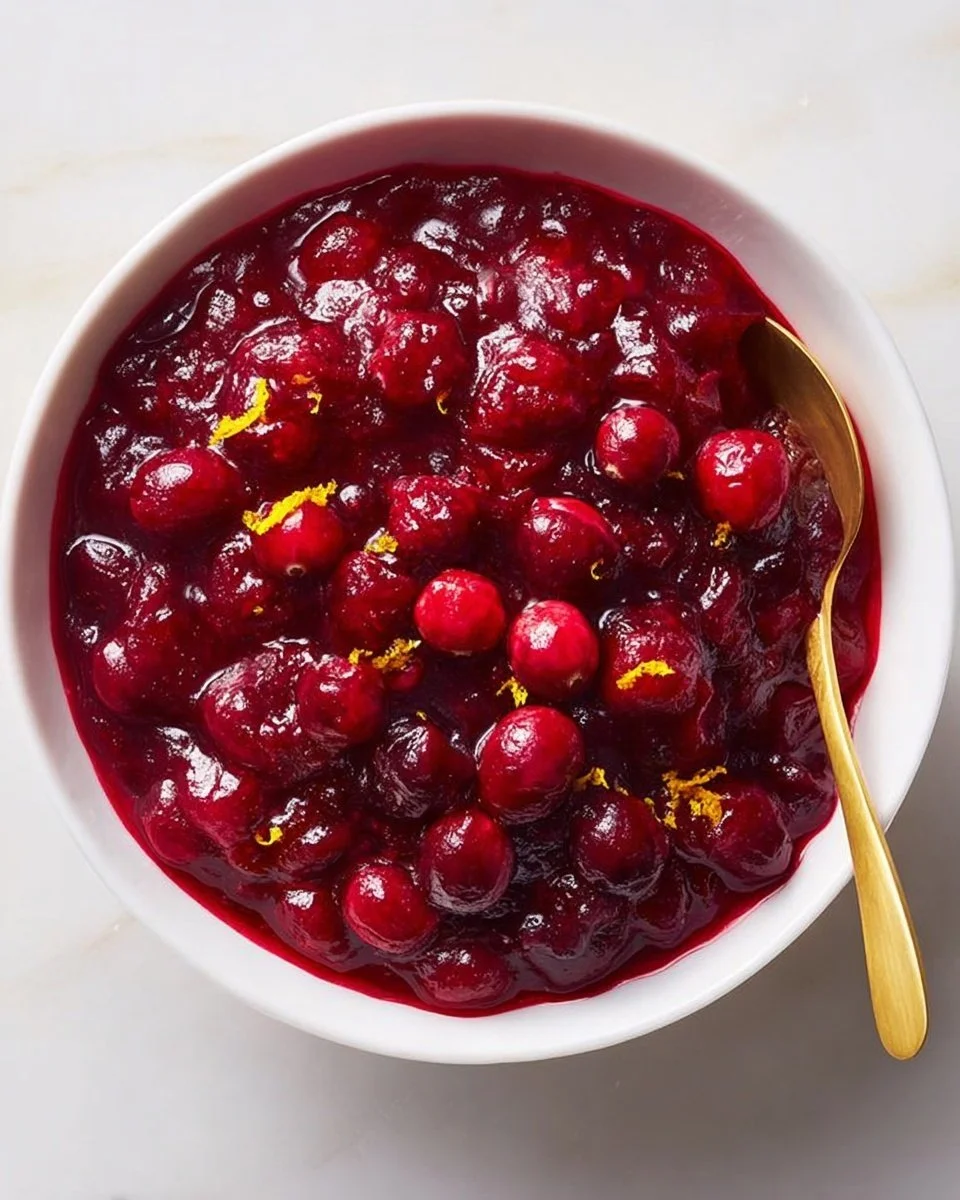
Homemade Cranberry Sauce is the kind of Thanksgiving side dish that instantly elevates your holiday table with its bold color, bright flavor, and irresistible aroma. While canned cranberry sauce has a nostalgic charm, nothing compares to the fresh pop and sparkle of a sauce made from whole berries simmered slowly in sugar and citrus.
It’s surprisingly simple to make, and once you experience the difference, you’ll never go back to store-bought again. Whether you like it chunky or smooth, sweet or tart, this recipe gives you a beautiful balance that pairs perfectly with turkey, ham, stuffing, and all the cozy dishes of the season. Best of all, you can make it ahead, meaning one less Thanksgiving morning task to worry about.
Equipment You Will Need
- Medium saucepan
- Wooden spoon or silicone spatula
- Fine-mesh strainer (optional for smooth sauce)
- Citrus zester or grater
- Measuring cups and spoons
- Mixing bowl (optional)
- Jar or airtight container for storage
Ingredients List
- 12 oz (340 g) fresh or frozen cranberries
- 1 cup granulated sugar
- 1 cup water (or use orange juice for extra flavor)
- Zest of 1 orange
- Juice of 1 orange (about ¼ cup)
- ½ tsp vanilla extract (optional)
- ¼ tsp ground cinnamon (optional)
- Pinch of salt
- Optional add-ins: chopped apples, pears, raspberries, nuts, or dried cranberries
Step-by-Step Instructions
Begin by placing your cranberries in a colander and rinsing them under cool water, picking out any shriveled or mushy berries. Set them aside to drain fully. In a medium saucepan over medium heat, combine the sugar, water, orange juice, and orange zest. Stir occasionally as the mixture warms, helping the sugar dissolve into a glossy syrup.
Once the liquid begins to simmer gently, add your cranberries to the pot. You’ll hear them start to pop as they heat, releasing their natural juices and thickening the sauce beautifully.
Allow the mixture to simmer for about 10–12 minutes, stirring occasionally to prevent sticking. As the berries burst, the sauce will deepen into a vibrant red and gradually thicken into its signature texture. If you enjoy a hint of spice, this is the perfect moment to sprinkle in cinnamon or add a small splash of vanilla.
Both additions enhance the brightness of the cranberries while adding warm, cozy depth. Continue simmering until the sauce reaches your desired consistency—the longer it cooks, the thicker it becomes. Remove it from the heat and stir in a pinch of salt to balance the sweetness. Let the sauce cool completely; it will thicken significantly as it cools. Transfer it to a jar or airtight container and refrigerate until ready to serve.
Expert Tips for Success
Mastering Homemade Cranberry Sauce comes down to knowing how to control texture and flavor so your final result turns out bright, thick, and perfectly tart-sweet. One essential tip is to resist the urge to over-stir during cooking; the berries need time to soften and burst naturally, creating a sauce with the right balance of whole fruit pieces and smooth syrup.
If you prefer a smoother sauce, you can mash the berries gently with the back of a spoon, or strain the finished sauce through a fine-mesh sieve for an ultra-silky finish. Using orange juice instead of water intensifies the overall flavor and adds a natural sweetness that pairs beautifully with cranberries’ natural tang.
Another key to success is ensuring your sauce cools completely before you judge its thickness. Cranberry sauce firms up as it cools, so a slightly loose consistency while warm is totally normal. If your sauce thickens too much in the fridge, simply stir in a splash of water or orange juice until it reaches the consistency you prefer.
Don’t be afraid to customize the flavor—cranberries are incredibly versatile. A touch of cinnamon, nutmeg, or vanilla adds warmth, while extra citrus brightens the dish. The real secret? Make the sauce a day or two ahead. The flavors deepen, mellow, and become even more delicious as they chill.
Variations and Substitutions
Homemade Cranberry Sauce is incredibly adaptable, making it easy to tailor it to your holiday style or personal preferences. For a citrus-forward flavor, add lemon or lime zest along with the orange—this brings an extra burst of brightness that complements savory dishes beautifully.
If you love berries, you can fold in raspberries, blueberries, or diced strawberries during the last few minutes of cooking for a richer, fruity profile. For a more autumnal twist, add diced apples or pears, which soften and meld beautifully into the sauce while adding natural sweetness and texture. You can also use honey, maple syrup, or brown sugar instead of granulated sugar to develop deeper caramel-like notes.
If you’re looking to adjust the tartness or sweetness, simply modify the sugar to your preference. Adding a splash of red wine or port creates a bold, rich sauce that feels gourmet and pairs wonderfully with roasted meats. A handful of dried cranberries or chopped nuts stirred in after cooking introduces a fun mix of textures.
For a festive holiday version, add a pinch of cloves or a dash of ginger to give the sauce a warm spiced aroma. Whether you like your sauce chunky, smooth, sweet, or tart, this recipe invites creativity and adapts effortlessly to any holiday vibe or flavor craving.
Serving Suggestions and Pairings
Homemade Cranberry Sauce is the unsung hero of Thanksgiving, offering a bright, tangy counterbalance to rich, savory dishes. Serve it alongside turkey, stuffing, mashed potatoes, and gravy for that classic holiday bite everyone loves. Its sweet and tart notes make it perfect for cutting through fatty dishes like ham, roasted duck, or beef tenderloin.
For a beautiful presentation, spoon it into a crystal bowl or festive dish, garnish with fresh orange zest, and watch it light up your table with its vivid ruby-red color. It also works beautifully as a spread on dinner rolls or biscuits, adding a burst of festive flavor.
Beyond Thanksgiving dinner, homemade cranberry sauce is incredibly versatile and can elevate meals throughout the holiday season. Try spreading it on leftover turkey sandwiches, mixing it into yogurt or oatmeal, or using it as a topping for pancakes, waffles, or French toast. Its sweet-tart profile pairs surprisingly well with cheese boards, especially sharp cheddar, brie, or creamy goat cheese.
You can even swirl it into baked goods like muffins or coffee cakes for a bright, fruity twist. No matter how you serve it, cranberry sauce brings sparkle, freshness, and fun flavor to every holiday dish.
Storage, Freezing, and Reheating
Storing cranberry sauce is easy, and the flavor actually improves as it rests. Once cooled, transfer the sauce to an airtight container or glass jar and refrigerate for up to 10 days. The natural pectin in cranberries keeps the sauce thick and fresh, making it a perfect make-ahead dish for busy holiday cooking schedules.
If your sauce thickens a bit too much during storage, stir in a splash of water or orange juice until you reach your desired consistency. Always store the sauce chilled to maintain its vibrant flavor and prevent spoilage.
Freezing cranberry sauce is also a fantastic option if you want to prep far ahead. Simply scoop the cooled sauce into airtight freezer containers or resealable bags, flattening them for easy storage. Cranberry sauce freezes beautifully for up to three months without losing flavor or color.
To use, thaw it overnight in the refrigerator and stir well before serving. Reheating isn’t normally necessary—you can serve it chilled or at room temperature—but if you prefer a warm sauce, heat it gently on the stovetop over low heat. With proper storage, your cranberry sauce will be ready whenever holiday cravings strike.
Frequently Asked Questions
Can I make it ahead of time?
Yes! It actually tastes better after 24–48 hours in the fridge.
Can I use frozen cranberries?
Absolutely—they work exactly the same as fresh.
How do I make it sweeter or less sweet?
Add or reduce sugar to taste, adjusting gradually.
How do I fix sauce that’s too thick?
Stir in a bit of water or orange juice until smooth.
Can I make it smooth instead of chunky?
Yes—strain it through a fine-mesh sieve while still warm.