
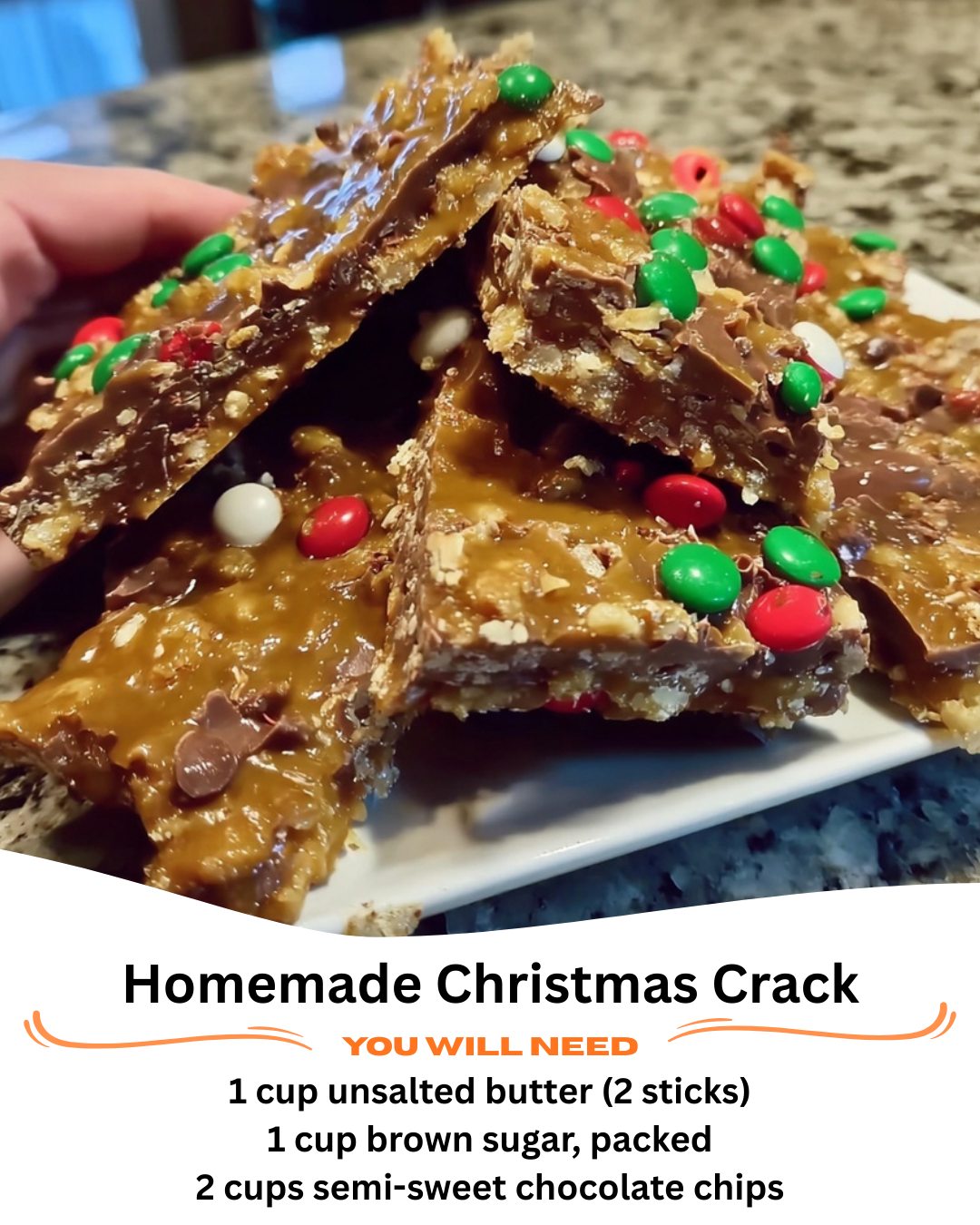
As soon as I pull the pan from the oven, I scatter the chocolate chips evenly over the hot toffee. I wait about 2-3 minutes to let the heat from the toffee soften the chips. Then, using my offset spatula, I gently spread the melted chocolate into a smooth, glossy layer. This is the moment for artistry. I’ll sprinkle on flaky sea salt, or maybe some finely chopped pecans or festive sprinkles. Then, the hardest part: I walk away and let the entire pan cool completely at room temperature before even thinking about breaking it. Rushing leads to shattered chocolate and a messy break.
Pro Tips for Best Results
For the absolute cleanest break and most professional look, I let the pan cool at room temperature until the chocolate is fully set, then I transfer the whole slab (on the parchment) to the fridge for a final 20-minute chill. This ensures the toffee layer is glassy and hard, so when you press down with a knife, it shatters into beautiful, jagged shards instead of bending or crumbling. I’ve tested setting it at room temp versus in the fridge, and the quick chill makes for a much more satisfying snap.
When breaking the crack, I don’t just go at it randomly. I use the tip of a sharp chef’s knife to score or gently press lines into the chocolate in a rough grid pattern before it’s fully hardened. This gives you a guide and helps you create more uniformly sized pieces, which is especially helpful if you’re packaging them for gifts. It’s a small step that makes the final product look intentional and elegant.
If you’re adding nuts, toast them first. I’ll chop a cup of pecans or walnuts and give them a quick toast in a dry skillet until fragrant before sprinkling them over the melted chocolate. This unlocks their oils and deepens their flavor tenfold, adding a nutty complexity that takes the whole treat to another level. Raw nuts just don’t provide the same punch.
Common Mistakes to Avoid
The number one mistake is using a thin, flimsy saucepan. I made this error once, and the butter-sugar mixture scorched on the bottom before it even came to a full boil, giving the whole batch a bitter, burnt taste. A heavy-bottomed saucepan distributes heat evenly and is your insurance policy against burning. Don’t risk it with a thin pot.(See the next page below to continue…)