
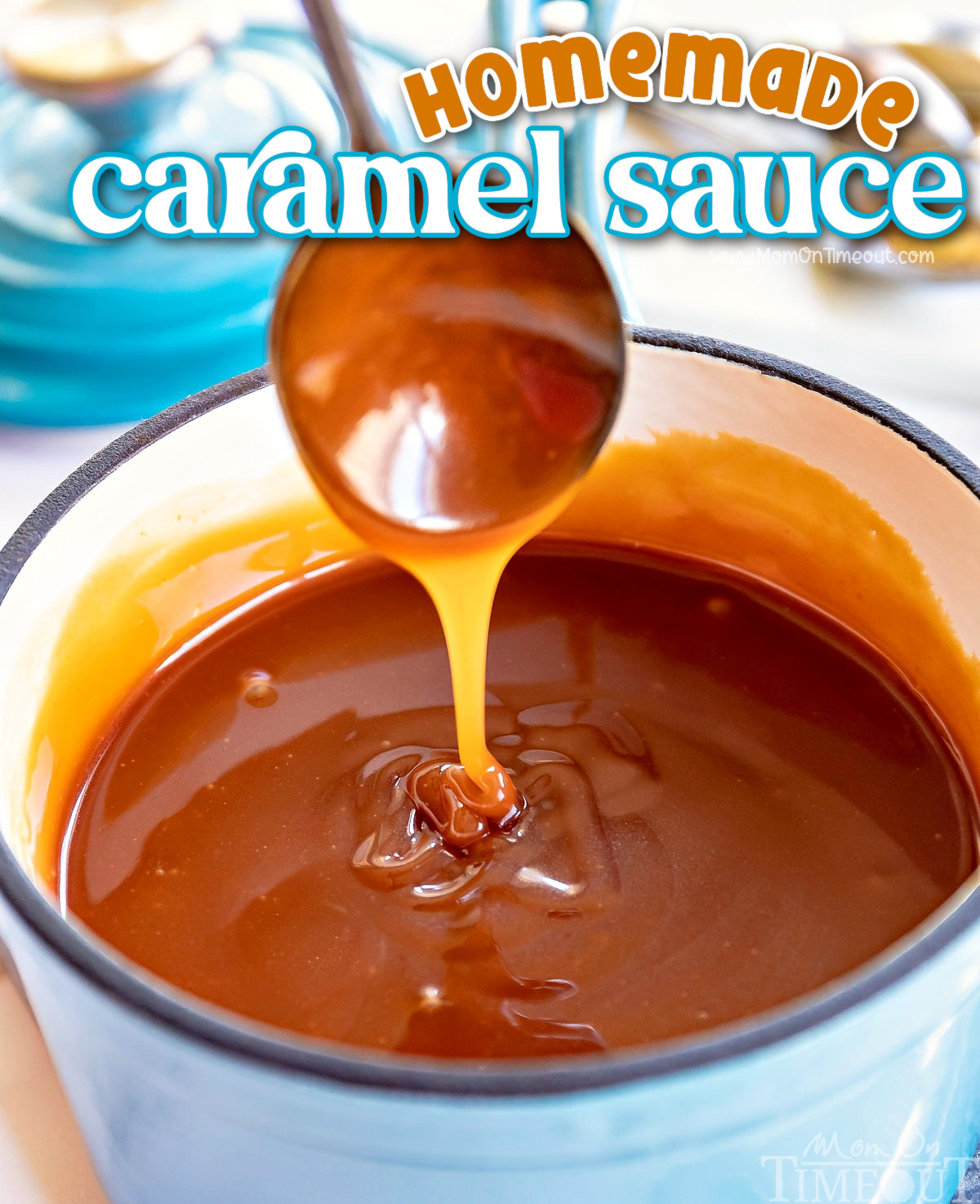
Finally, the finishing touches. I remove the pan from the heat and stir in the vanilla extract and salt. The vanilla scent blooms instantly. I give it a final whisk and then pour the glorious sauce into my heatproof jar or container. It will thicken wonderfully as it cools. I let it cool for a few minutes before dipping a clean spoon in for a taste test—it’s warm, complex, buttery, and utterly divine. The whole process, from start to finish, takes less time than running to the store.
Pro Tips for Best Results
My number one tip is patience and attention during the sugar-melting phase. Do not stir the sugar as it melts. Stirring encourages crystallization, which can lead to a grainy sauce. Instead, gently swirl the pan to distribute the heat. If you see sugar crystals forming on the sides of the pan, you can use a wet pastry brush to wash them down. I tested stirring vs. swirling three times, and swirling always yields a perfectly smooth caramel base.
The color of your caramel is everything. I aim for a deep amber, about the color of an old penny. It should smell nutty and rich, not acrid or bitter. Under-cooked caramel will taste too sweet and simple; over-cooked caramel is bitter and burnt. Trust your nose and eyes more than the clock. It’s better to take it off the heat a few seconds early, as it will continue to cook from the residual heat of the pan.
Always, always have your butter measured and cut, and your cream at room temperature, before you even turn on the stove. This is a fast-moving recipe once it gets going, and you don’t have time to run to the fridge. Being prepared prevents panic and mistakes. I set everything up in little bowls next to the stove, just like they do on cooking shows. That “mise en place” makes the process feel calm and controlled, even when the butter is bubbling dramatically.
Common Mistakes to Avoid
The first time I made caramel, I stirred the melting sugar. It seemed logical to help it along, but it caused the sugar to crystallize into a hard, sandy mess in the pan. It was a total loss. Don’t do what I did. Resist the urge. Let the heat do its work, and only swirl the pan gently if needed. If crystals do form, you can sometimes save it by adding a couple tablespoons of water and starting the melting process over, but prevention is much easier.(See the next page below to continue…)