
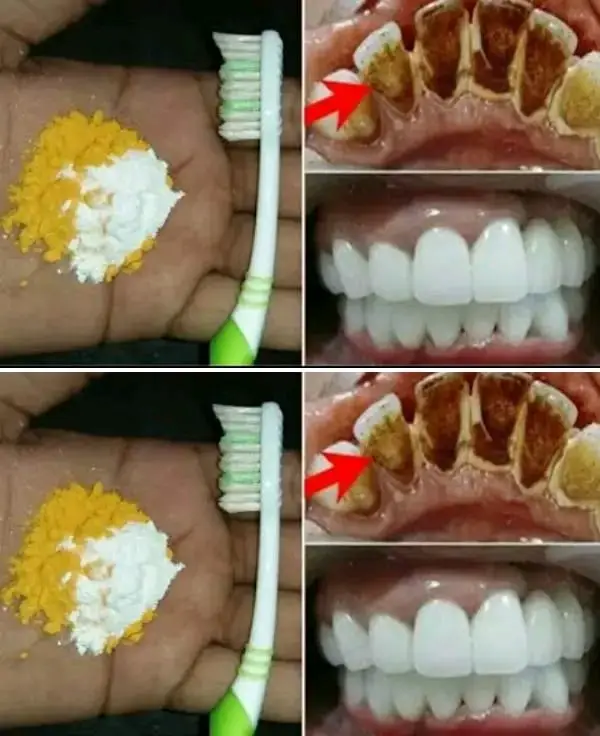
A bright, confident smile can make a world of difference in your self-esteem and overall appearance. While professional dental treatments can achieve dramatic results, they are often expensive and not always accessible. Luckily, there are simple, natural, and affordable ways to brighten your teeth from the comfort of home. One of the most popular methods uses just two common kitchen ingredients: turmeric and baking soda.
This guide explores how this natural whitening paste works, the science behind it, step-by-step instructions, and tips for achieving long-term oral health. With just a few minutes a few times per week, you can support a cleaner, brighter smile without harsh chemicals.
What Is Teeth Whitening?
Teeth whitening is the process of removing stains and lightening the natural color of your teeth. Over time, common habits like drinking coffee, tea, wine, smoking, or simply aging can cause discoloration. These stains are usually on the surface of the enamel and can often be managed with safe, at-home remedies.
While professional treatments can deliver quick, noticeable results, many people prefer DIY methods. Home whitening is often more affordable, chemical-free, and can complement your regular oral hygiene routine. It allows for gentle, gradual improvements without the sensitivity that sometimes accompanies professional bleaching.
Natural ingredients, like turmeric and baking soda, are particularly appealing because they are accessible, inexpensive, and have additional oral health benefits. They don’t just whiten your teeth—they also help maintain healthy gums and combat bacteria.
Why Choose Turmeric and Baking Soda?
You might be surprised to learn that turmeric, a bright yellow spice commonly used in cooking, can also brighten teeth. Turmeric contains curcumin, a compound with antibacterial and anti-inflammatory properties. When applied to teeth, it may help reduce surface stains and support gum health.
Baking soda, on the other hand, is a mild abrasive that gently polishes the enamel, removing plaque and discoloration. It also helps balance the pH in your mouth, reducing bacterial growth. When combined, turmeric and baking soda form a natural paste that can polish teeth, remove light stains, refresh your mouth, and support overall oral hygiene.
This combination is widely used because it is simple, effective, and inexpensive. Regular application, just a few times per week, can help maintain a cleaner, brighter smile over time.
Ingredients You’ll Need
- 1 teaspoon turmeric powder
- 1 teaspoon baking soda
- A few drops of water
These ingredients are easy to source and can be stored in your kitchen for ongoing use. The simplicity of the recipe makes it convenient for anyone looking to try natural teeth whitening at home.
Step-by-Step Instructions
Start by combining the turmeric powder and baking soda in a small bowl. Stir them together until evenly mixed. Slowly add a few drops of water, mixing continuously until a thick paste forms. The consistency should be spreadable, but not too runny, so it adheres to your teeth.
Dip your toothbrush into the paste and gently brush your teeth with small, circular motions. Focus on areas with more surface stains, but avoid brushing too hard to protect enamel. Allow the paste to sit on your teeth for approximately two minutes—this is enough time for the natural compounds to act without being abrasive.
After two minutes, rinse your mouth thoroughly with water. Brush again using your regular toothpaste to remove any remaining yellow residue from the turmeric. This completes the quick, natural whitening routine. Repeat this process 2–3 times per week for gradual improvements.
What Results Can You Expect?
Results from natural remedies are typically gradual. After the first few applications, many users notice that teeth appear slightly brighter and feel cleaner. Plaque may start to diminish, and your mouth may feel refreshed.
Long-term use can lead to a more noticeable whitening effect, reduced plaque buildup, and improved oral hygiene. Maintaining consistency is key—results will vary depending on diet, oral care habits, and the natural shade of your teeth. Patience and regular application are essential to achieve lasting improvements.
Important Precautions
Before beginning this whitening routine, it is important to consider a few safety precautions. First, always check for sensitivity. Apply a small amount of the paste to one tooth and observe for discomfort. Individuals with very sensitive teeth or gums may need to limit usage or skip this method altogether.
Avoid overuse, as baking soda is mildly abrasive. Using it too frequently can wear down enamel over time. Limiting this treatment to 2–3 times per week ensures effectiveness without compromising dental health.
If you have preexisting dental issues such as cavities, gum disease, or severe sensitivity, consult your dentist before trying any home whitening methods. Professional guidance will help you avoid potential complications and ensure safe results.
Tips for a Naturally Brighter Smile
To maximize the benefits of this natural remedy, pair it with consistent oral hygiene habits. Brush at least twice daily, floss regularly, and use fluoride toothpaste to protect your enamel. Limiting foods and drinks that cause staining, such as coffee, tea, soda, red wine, and dark sauces, will also help maintain results.
Rinsing your mouth with water after consuming staining foods can reduce their effect on your teeth. Staying consistent with these habits enhances the whitening process and promotes overall oral health. Remember, natural whitening is gradual, so patience and regular care are essential.
Finally, consider lifestyle factors that support oral health. Avoid smoking, maintain a balanced diet, and visit your dentist for routine checkups. These practices complement the whitening effects of turmeric and baking soda and help maintain a bright, confident smile.