
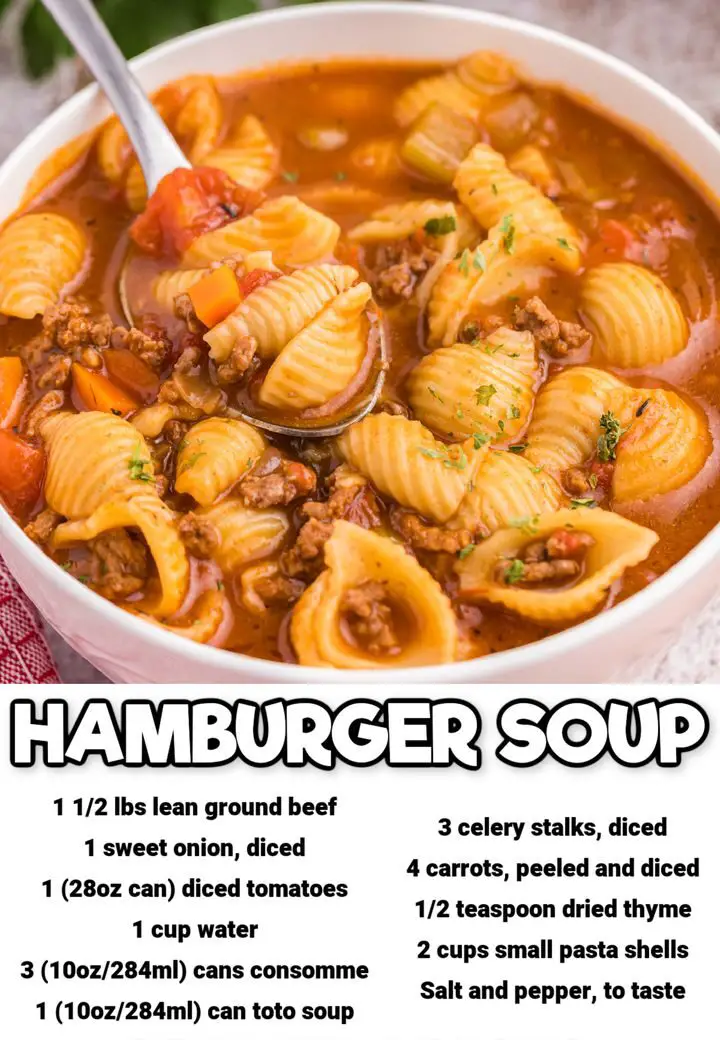
The final step is adding the pasta shells. I always add them last so they don’t get mushy. I toss them in and let them cook directly in the soup, which helps them absorb all that delicious broth. This takes around 10–12 minutes, depending on the size of your shells. Once the pasta is tender, I taste the soup and adjust the salt and pepper. Don’t be afraid to add a bit more seasoning—this is the step that brings the whole pot to life.
Pro Tips for Best Results
One of the best tips I can give you is to sauté the vegetables a little longer than you think necessary. I tested this recipe with a quick sauté and with a slower sauté, and the longer version added a deep, slightly sweet flavor that made all the difference. It’s only a few extra minutes, but it transforms the base of your soup beautifully.
Another trick I learned the hard way is to wait to add the pasta until you’re close to serving. I once added it too early and left the pot on simmer longer than I meant to, and I ended up with swollen shells that took over the entire soup. The flavor was still good, but the texture just wasn’t the same. Trust me—add the pasta toward the end and keep an eye on it.
If you want a thicker soup, you can reduce the water slightly or let the broth simmer uncovered for an extra 10 minutes before adding the pasta. I’ve tried both methods, and they work equally well depending on your preference. On the flip side, if you like a brothier soup, you can add a bit more water or consommé without affecting the flavor.
Finally, I always recommend using lean ground beef. I once made it with a fattier blend thinking it might add richness, but it ended up making the broth too greasy. Lean beef gives you the perfect balance of flavor without overwhelming the soup with oil.
Common Mistakes to Avoid
The biggest mistake I made the first time I cooked this soup was letting the pasta sit in the hot pot too long after cooking. The residual heat continues to soften the pasta, and before I knew it, the shells had doubled in size and turned mushy. Now I either serve the soup right away or ladle out the portion I want to save before the pasta gets overly soft.
Another common mistake is not seasoning as you go. With a soup this hearty, it’s tempting to rely on the consommé and tomato soup for flavor, but the vegetables and pasta need seasoning too. A pinch of salt when sautéing the vegetables and another taste-test at the end makes a huge difference in the final flavor.
I’ve also learned that adding too many vegetables can throw off the balance of the soup. While it’s tempting to pack in “just a bit more” carrot or celery, too much bulk can soak up the broth and turn your soup into more of a stew. Stick to the measured amounts for the best ratio of liquid to solids.
Lastly, don’t skip the step of draining the excess fat from the ground beef. I tested it once without draining, thinking it might add richness, but it made the broth far too oily and heavy. Draining the fat keeps the soup clean and flavorful without feeling greasy.(See the next page below to continue…)