
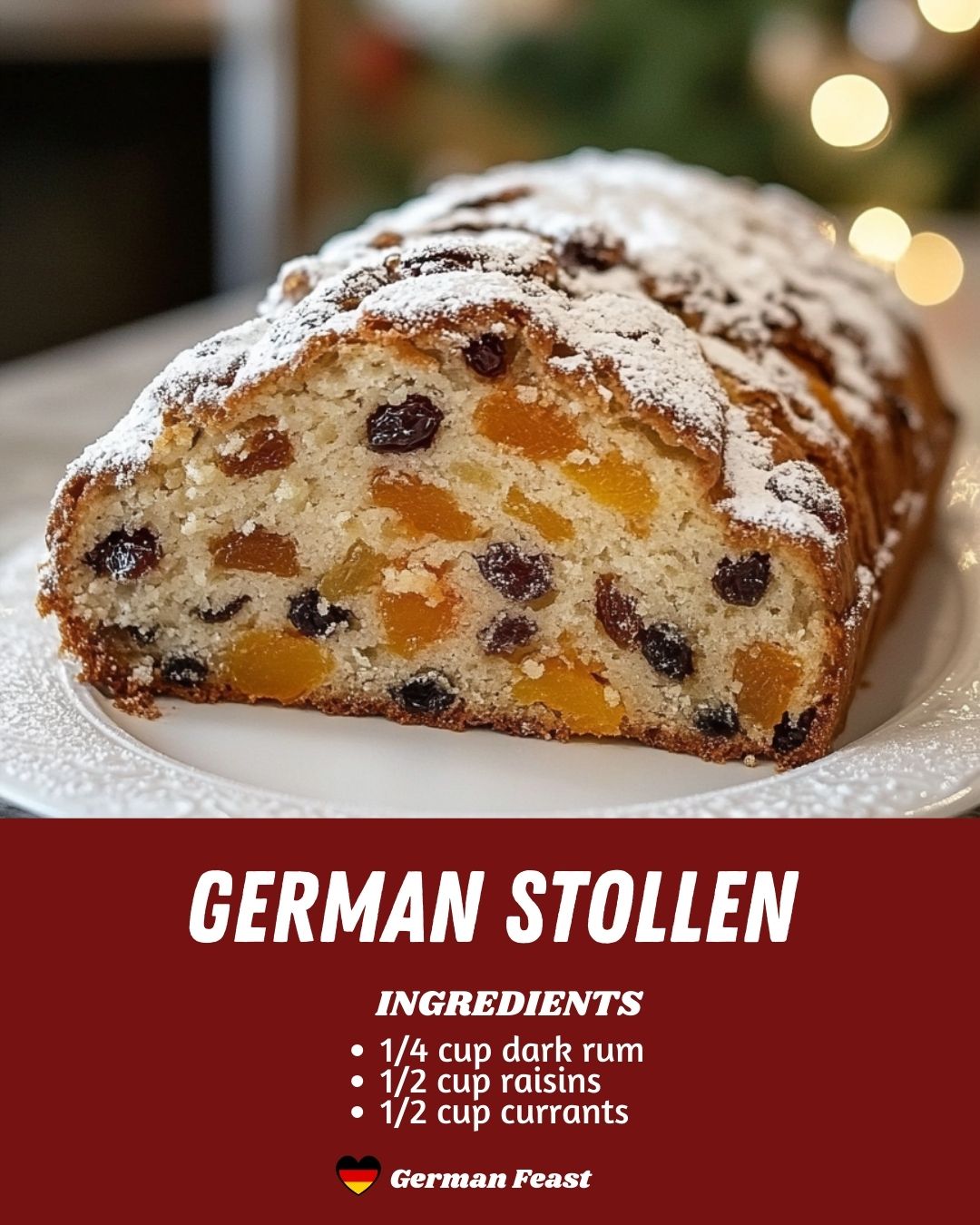
After the first rise, I turn the dough out onto a lightly floured surface. I gently deflate it and shape it into an oval about 10 inches long. Using a rolling pin, I flatten it slightly, then make a deep crease lengthwise, slightly off-center. I fold the smaller side over the larger side, pressing the edge gently. This creates the classic Stollen shape, symbolizing the swaddled Baby Jesus. I transfer it to a parchment-lined baking sheet, cover it loosely with a clean kitchen towel, and let it rise again for about 45-60 minutes. Meanwhile, I preheat the oven. I bake it until it’s deep golden brown and sounds hollow when tapped on the bottom. The hardest part is waiting for it to cool enough to handle for the final, glorious step: the butter and sugar bath.
Pro Tips for Best Results
I tested the fruit incorporation three ways: mixing all in with the flour, kneading in after the first mix, and folding in after the first rise. Kneading in by hand after the machine has developed the dough’s gluten was the winner. Adding them too early can tear the gluten strands, and they can get pulverized by the dough hook. Gently working them in by hand after the initial kneading preserves the dough’s structure and keeps the fruits intact.
Here’s what I learned the hard way about the butter bath: timing and temperature are everything. The first time, I brushed the warm Stollen with melted butter immediately out of the oven. It absorbed it instantly but became a bit greasy. Now, I let the loaf cool for about 15-20 minutes until it’s just warm to the touch. Then, I liberally brush it with melted butter while it’s still slightly porous. I let that soak in for a minute, then apply a second light coat before the sugar. This double layer ensures a perfectly moist loaf with a beautiful crust.
For the absolute best flavor and texture, Stollen needs to mature. While it’s delicious the day it’s baked, it reaches its peak after being wrapped tightly and stored for a week. The flavors meld, the moisture from the butter distributes evenly, and the texture becomes sublime. I wrap my cooled, sugared loaf in cheesecloth, then in foil, and store it in a cool, dark place (not the fridge). This resting period is a traditional and essential part of the process.
Common Mistakes to Avoid
My first Stollen was too dense because I added too much flour during kneading. The dough is supposed to be very soft and sticky—it’s a rich, buttery dough, not a lean bread dough. Don’t do what I did! Resist the urge to keep sprinkling flour on it. If it’s unmanageably sticky, lightly oil your hands instead. The stickiness will lessen as the gluten develops and the butter firms up slightly. Trust the process and the recipe.(See the next page below to continue…)