
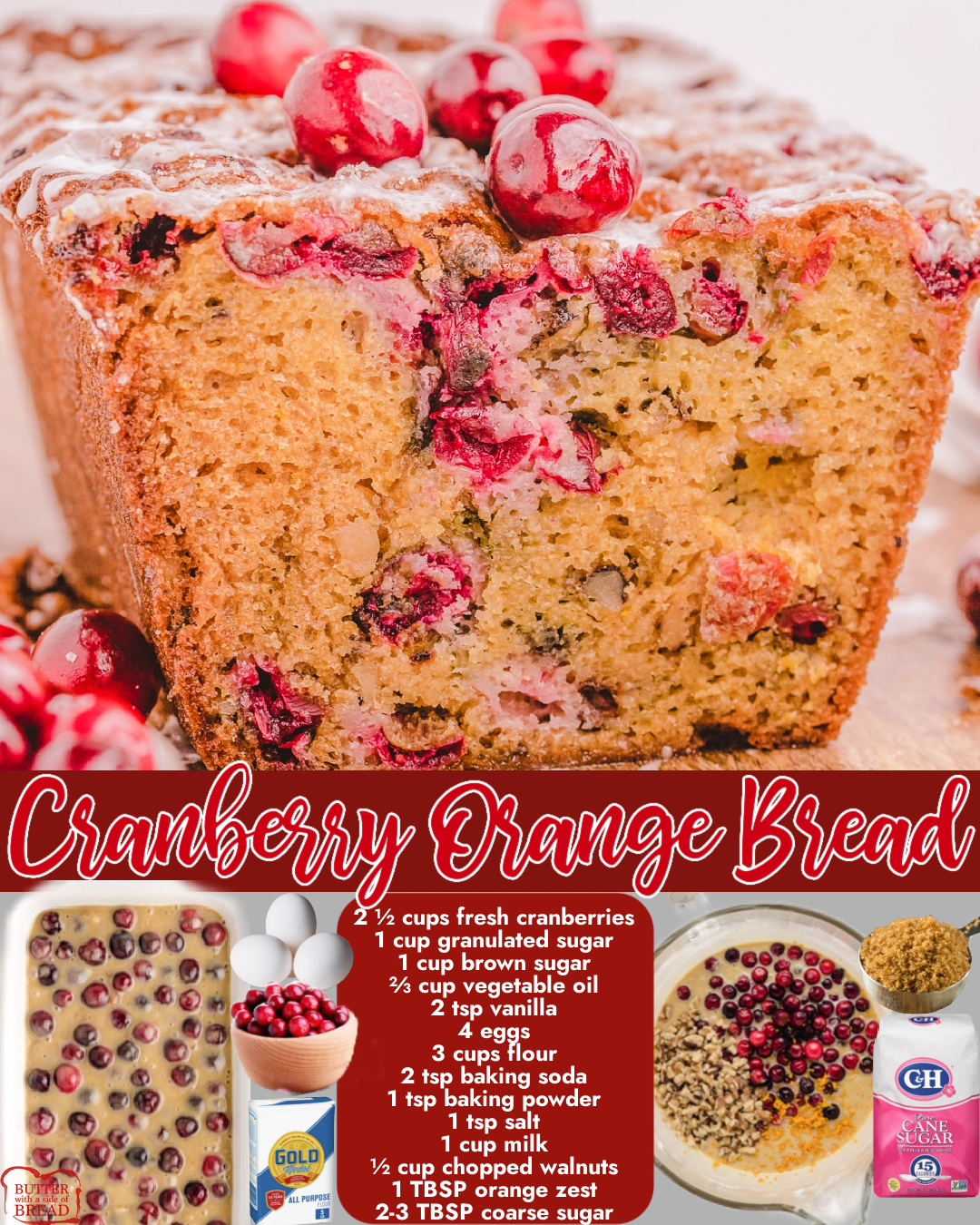
Once the batter is smooth, I fold in the cranberries and walnuts using a spatula. The batter will seem thick—don’t worry, that’s exactly how it should be. Thick batter holds the cranberries in place rather than letting them sink. Every time I fold in those bright berries, I can’t help smiling. They pop like little rubies against the warm, creamy batter.
After pouring the batter into the prepared loaf pans, I sprinkle coarse sugar on top. This creates a beautiful crackly crust that contrasts perfectly with the soft interior. Then I bake the loaves until the tops are golden and a toothpick inserted in the center comes out clean. The smell that fills my kitchen during this stage is so heavenly I wish I could bottle it.
Pro Tips for Best Results
I tested this recipe three different ways—mixing the cranberries whole, cutting them in half, and tossing them in flour. The method that always works best is adding them whole. Halved cranberries bleed too much color, and flour-coating didn’t make enough of a difference to be worth the extra bother. Whole cranberries give bursts of tartness and bake beautifully without sinking.
Here’s what I learned the hard way: measure the flour lightly. The first time I scooped straight from the bag, I ended up packing too much flour and my loaf came out dense. Spoon the flour into your cup and level it off—your bread will be perfectly tender, never heavy.
Another invaluable tip is not to overmix. Once the flour is added, mix just until you don’t see streaks. Overmixing develops the gluten, turning what should be a soft, moist loaf into something tougher. When I slowed down and mixed more gently, the difference in the crumb was huge.
Finally, let the loaf cool for at least 20–30 minutes before slicing. I know it’s tempting—warm cranberry bread is irresistible—but if you cut too early, the loaf collapses slightly and becomes gummy. Cooling allows the crumb to set, giving you clean slices and the best texture.
Common Mistakes to Avoid
I made this mistake the first time—adding the cranberries straight from the fridge without drying them. Wet cranberries add extra moisture that can weigh down the loaf. Pat them dry first; it only takes a moment but makes a noticeable difference.
Another common mistake is overbaking. Cranberry bread darkens quickly because of the sugars and zest, so it’s easy to think it’s not done yet and leave it in too long. Check early and use the toothpick test. Once the toothpick comes out clean or with a few moist crumbs, pull it out. Overbaked bread loses its tenderness.
Don’t forget the orange zest. I once missed it entirely because I thought orange juice alone would work. The flavor was shockingly flat. Zest contains essential oils—this is where the true citrus flavor lives. Juice alone can’t replicate it.(See the next page below to continue…)