
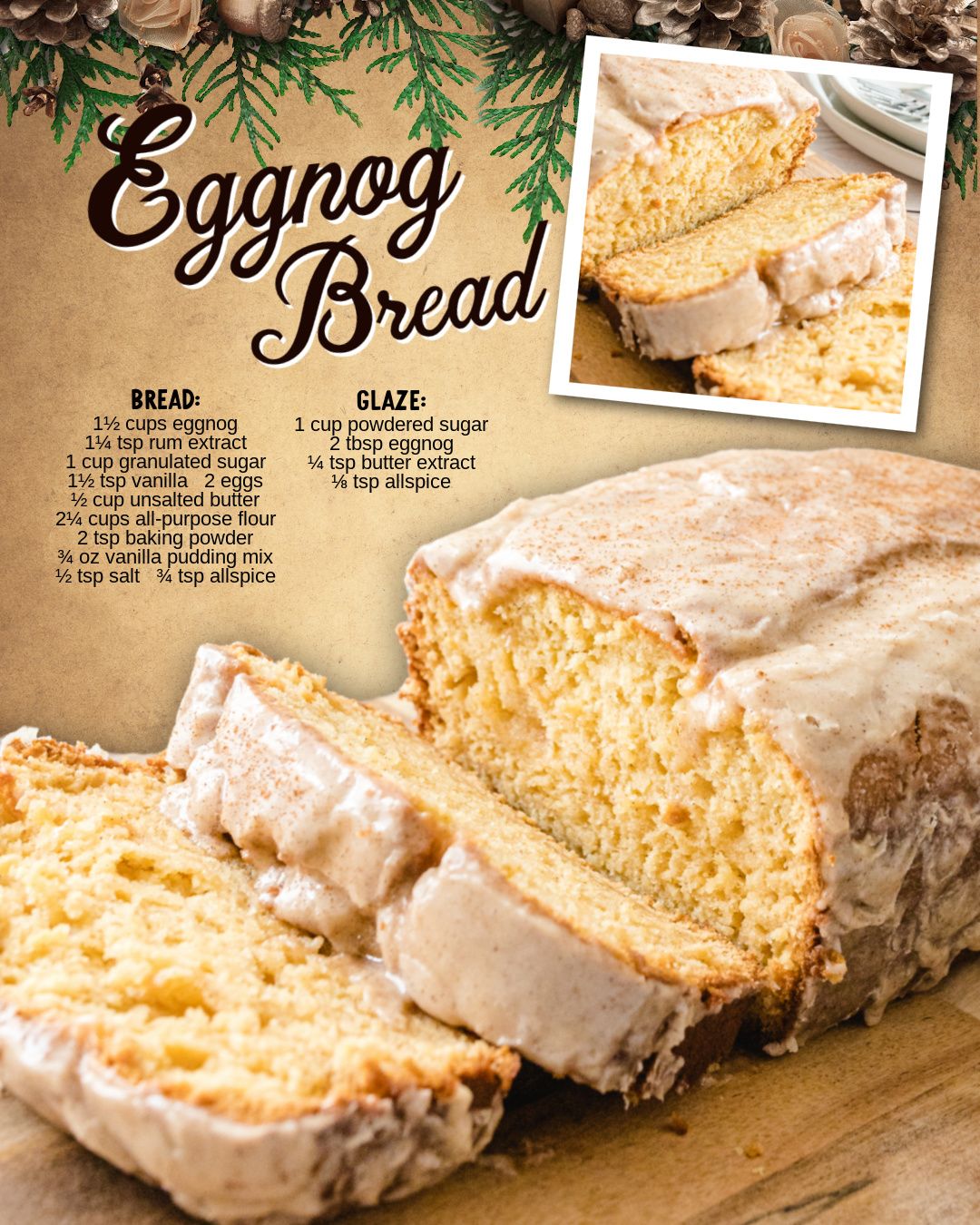
Once everything is combined, I pour the batter into the prepared loaf pan and smooth the top with a spatula. I love watching the bread rise through the oven window as it bakes. The aroma fills the entire kitchen, and honestly, the waiting might be the hardest part of this recipe. About halfway through baking, I usually rotate the pan to ensure even browning. When the top turns golden and a toothpick comes out clean, I know it’s ready.
After removing the bread from the oven, I let it cool in the pan for about ten minutes before transferring it to a cooling rack. Cooling is important for developing the right texture, so I resist cutting into it immediately—though I admit it’s always tempting. Once the loaf is barely warm, I whisk the glaze together and drizzle it generously over the top. The glaze melts slightly into the warm bread and sets into a sweet, shiny coating.
Pro Tips for Best Results
Over the years, I’ve tested this recipe more times than I can count, and the biggest tip I can offer is to use room-temperature ingredients. When your butter, eggs, and eggnog are all the same temperature, they blend effortlessly and help give the loaf that smooth, velvety crumb. Cold ingredients tend to curdle when mixed, and while the bread usually still bakes fine, the texture isn’t nearly as perfect.
I also learned that the pudding mix truly makes a difference. I once attempted to skip it when I ran out, thinking it wouldn’t be noticeable, but the bread lost some of its tenderness. The pudding mix helps the loaf stay moist for days, so keep a small box on hand during the holidays. It’s one of those secret-weapon ingredients that you don’t fully appreciate until you leave it out.
Another tip is to avoid overbaking. This bread can go from perfectly moist to slightly dry quicker than you think. Start checking it at the earliest recommended time, and trust your toothpick test more than the timer. Every oven behaves differently, and in mine, the bread usually finishes a few minutes early.
Finally, when making the glaze, adjust the eggnog-to-powdered-sugar ratio as needed. Sometimes I want a thicker glaze that sits boldly on top of the loaf, and other times I prefer a thin, drippy glaze that soaks in. Both are delicious, and it’s entirely up to your taste.
Common Mistakes to Avoid
One of the most common mistakes is overmixing the batter. I made this mistake many times when I first started baking sweet loaves. The moment the dry ingredients disappear into the wet mixture, stop mixing. Too much stirring activates the gluten and results in a dense bread rather than the delicate, melt-in-your-mouth texture we want.
Another mistake is using margarine or butter substitutes. I know it can be tempting to swap ingredients based on what you have on hand, but eggnog bread really requires real butter for the best flavor and richness. The substitutes simply don’t create the same crumb structure or depth.(See the next page below to continue…)