
Next, in a mixing bowl, combine the flour, sugar, baking powder, baking soda, and salt. Mix well until combined. Then, gradually pour in the warm milk and butter mixture, stirring gently to avoid lumps. Lastly, add the vanilla extract, which adds a lovely aroma and flavor, and mix until the batter is smooth and homogeneous.
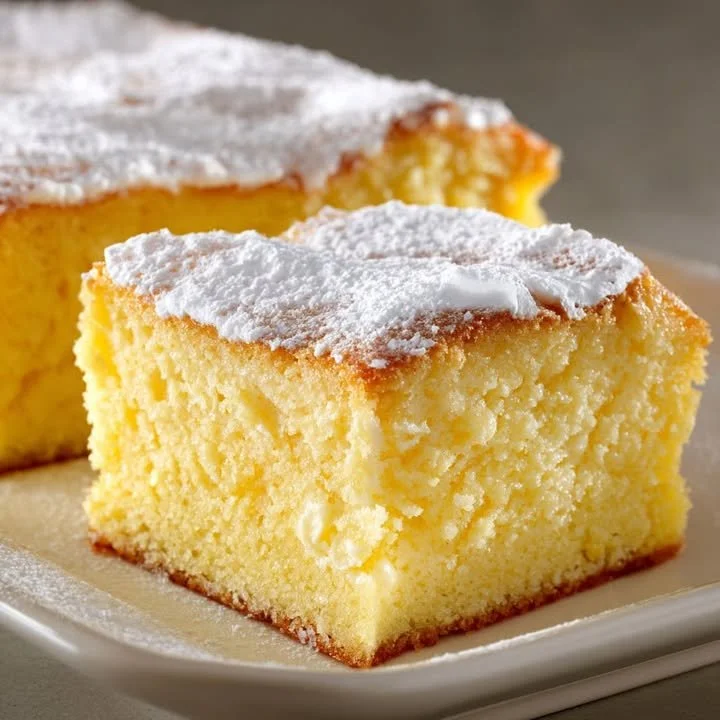
Pour the batter into the prepared cake pan and give it a gentle tap on the countertop to eliminate any air bubbles. This cake doesn’t require a long bake time—around 25-30 minutes—so keep an eye on it! You’ll know it’s done when the top is golden brown and a toothpick inserted into the center comes out clean. Once baked, allow the cake to cool in the pan for about 10 minutes before transferring it to a wire rack to cool completely.
While your cake cools, you’ll start to smell that delicious buttery scent wafting through the house. It’s hard to wait! But patience is key, as letting it cool completely ensures the texture will be just right when you slice it. You can enjoy it as is or frost it later for an extra special treat.
Pro Tips for Best Results
I tested this recipe a few different ways to get it just right. One of the best tips I can give is to ensure your milk is hot but not boiling, which I found made a noticeable difference in texture. The warmth of the milk and butter is what creates that perfect tender crumb!
Another thing I discovered is how important it is to mix the dry ingredients well before adding the wet ones. This helps to evenly distribute the baking powder and soda, which means you’ll have a nicely risen cake every time. If you mix too aggressively, you can over-develop the gluten, leading to a denser cake, so gently fold the ingredients instead.
Finally, if you want an extra touch of flavor, try adding a teaspoon of almond extract along with the vanilla. I did this once by accident, and it turned out to be a delightful surprise! It added another layer of warmth to the cake that I absolutely loved.
Common Mistakes to Avoid
One common mistake I see is not measuring ingredients properly. I once ended up with a cake that was too dense because I accidentally added too much flour. Use a kitchen scale or the spoon-and-level method to get it just right. Trust me, this recipe is forgiving, but precise measuring makes a noticeable difference. (See the next page below to continue…)