
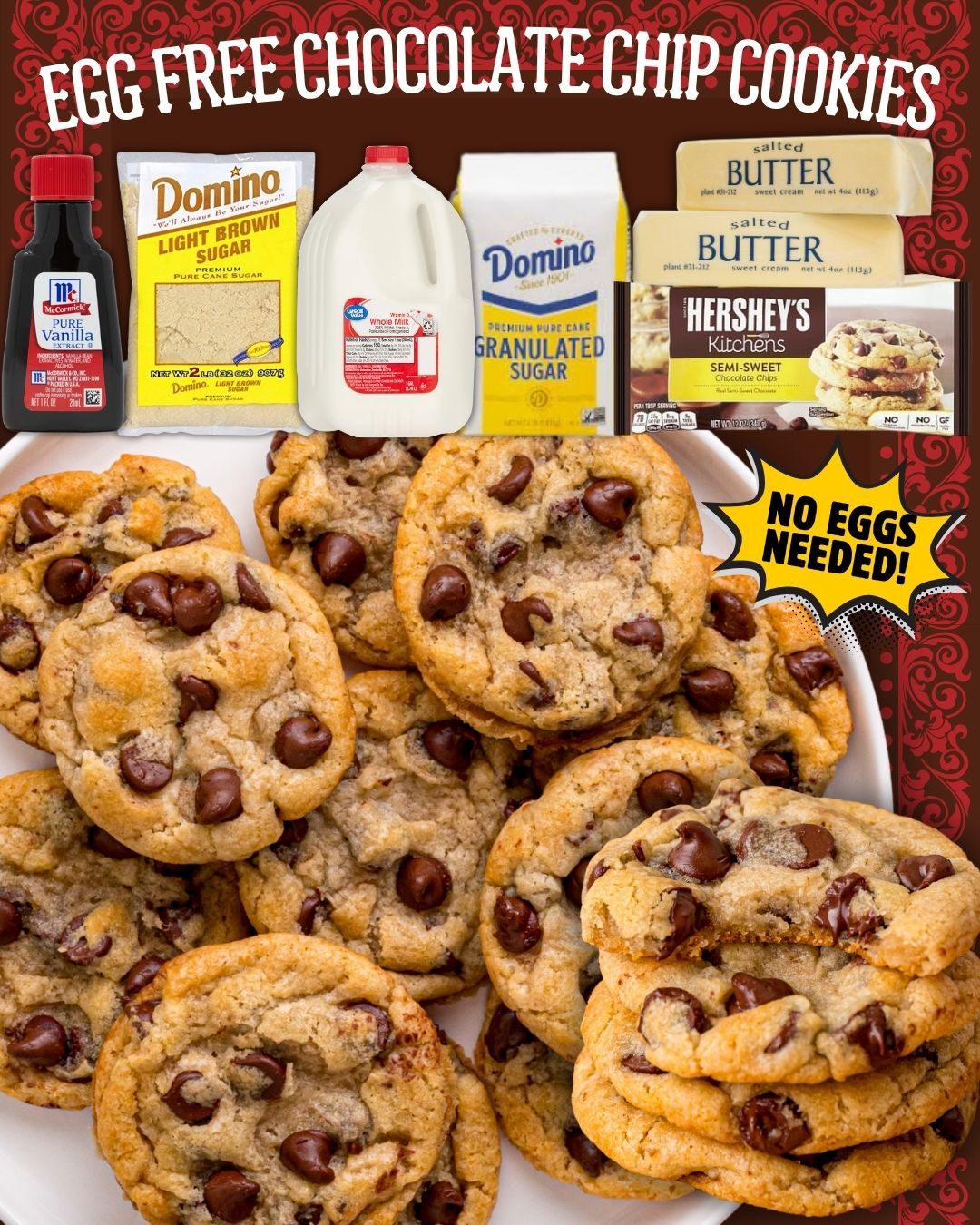
Next, I add the milk and vanilla extract. The first time I made these, I was surprised at how well the milk blended into the dough, creating a silky smooth mixture without needing eggs. After that, I whisk together the dry ingredients—flour, baking soda, and salt—and fold them gently into the wet mixture. The dough comes together quickly, and it always feels soft and scoopable, similar to classic cookie dough but slightly more tender.
Once the dough is combined, I fold in the chocolate chips. This is when the magic happens—the dough transforms from a simple mixture to something that looks irresistible even before baking. I always sneak one chip or two; it’s impossible not to. I chill the dough for at least 20 minutes because I’ve learned the hard way that baking it warm causes the cookies to spread too thin.
When the dough is chilled and firm, I scoop it onto a parchment-lined baking sheet. Sometimes I press a few extra chocolate chips on top of each ball to make them look bakery-perfect. As they bake, the cookies spread into soft, golden discs that fill the kitchen with the most intoxicating scent. When I pull the cookies out, the centers look slightly underdone, but I’ve learned to trust this—they finish setting as they cool, and that’s what keeps them soft and chewy.
Pro Tips for Best Results
I tested this recipe three different ways, and one of the biggest things I learned is that butter temperature matters more than anything. If the butter is too soft or partially melted, the cookies spread too quickly in the oven and become thin. Butter should be soft enough to press with your finger but still cool and firm. When I used butter that sat on the counter too long, the texture changed completely—trust me, don’t skip this detail.
Another tip is to chill the dough. The very first time I made them, I skipped chilling because I was impatient, and the cookies spread into flat pancakes. Chilling the dough helps the cookies stay thick, chewy, and picture-perfect. Even 15 minutes makes a difference, though 30–45 minutes is ideal for the best results.
I also discovered that stirring in the flour too aggressively makes the cookies tough. Once the dry ingredients go in, I mix only until the streaks of flour disappear. Overmixing strengthens the gluten and creates denser cookies. Gentle mixing preserves the soft crumb we love in this eggless version.
Finally, don’t overbake. Eggless cookies tend to dry out faster than traditional ones if baked too long. I always pull mine when the edges are just beginning to turn golden and the centers look slightly soft. They set beautifully as they cool and stay wonderfully chewy.
Common Mistakes to Avoid
I made several mistakes the first few times I experimented with eggless cookies, and I want to help you avoid them. The first mistake was using melted butter. I assumed it would make the cookies chewier, but instead, they spread into oily puddles. Softened butter gives the best structure and keeps the cookies tender.
Another mistake was adding too much milk. I thought a splash more would make them softer, but it ended up making the dough sticky and the cookies cakey. Stick to the measured amount—¼ cup is perfect. The dough should look soft but not wet.(See the next page below to continue…)