
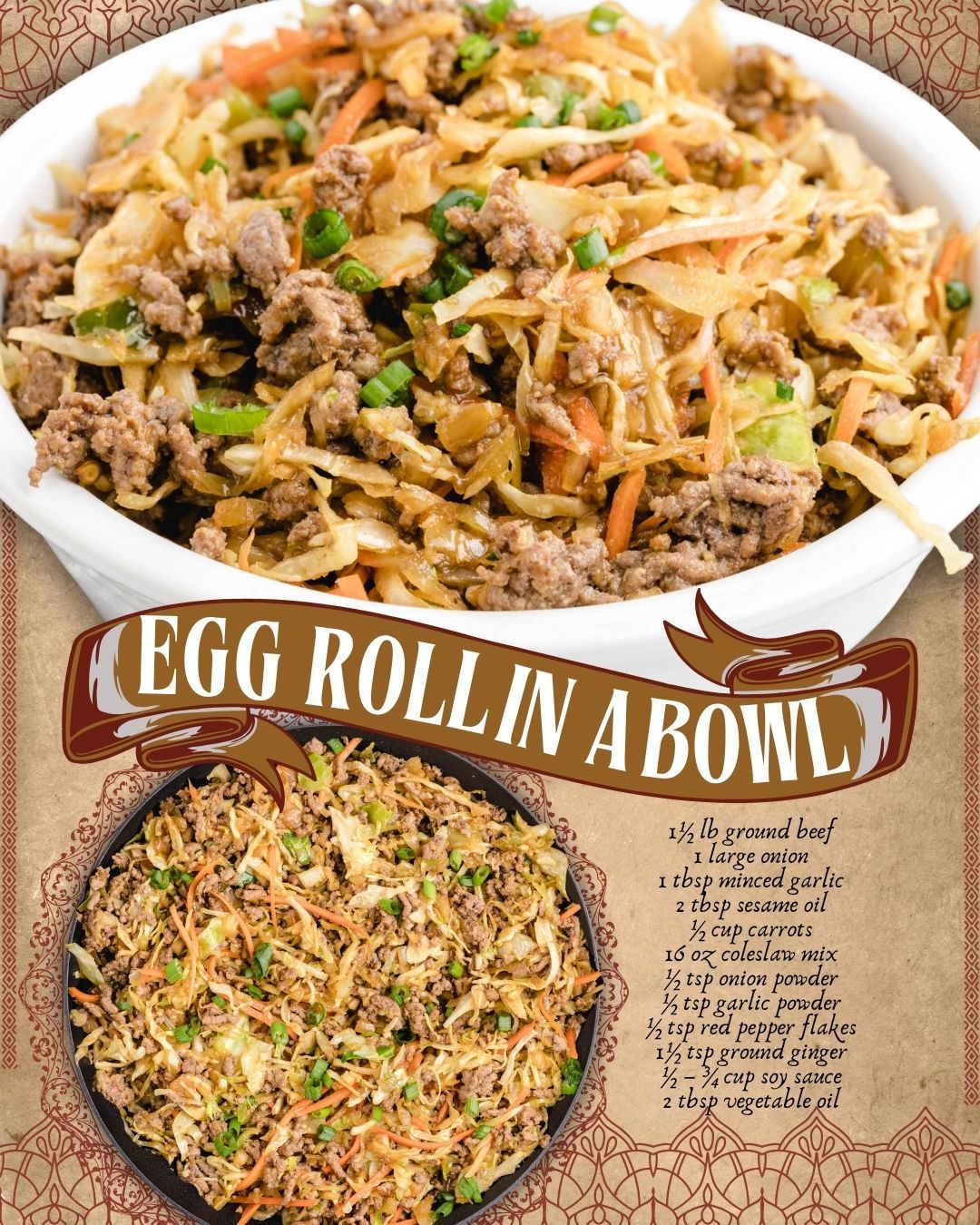
Egg Roll in a Bowl is a modern twist on the classic egg roll, transforming everything people love about the traditional appetizer into a flavorful, fast, and satisfying meal. Instead of wrapping the ingredients in a crispy shell, this recipe serves the savory filling in a deconstructed form, keeping all the taste while simplifying the cooking process. It brings together tender ground meat, crunchy vegetables, and bold seasonings that create an irresistible combination of textures and flavors. This dish has quickly become a favorite among home cooks who want something comforting yet convenient.
Part of the charm of this recipe comes from how it merges familiar flavors with an innovative, bowl-based presentation. Each bite captures the essence of an egg roll—garlic, ginger, soy sauce, and lightly sautéed vegetables—but without deep frying or heavy preparation. This means you can enjoy all the satisfaction of an egg roll with much less effort and fewer calories. The dish is ideal for busy weeknights and for anyone seeking a comforting meal that doesn’t feel overly indulgent.
Ingredients
- 1 pound ground pork (or ground turkey)
- 1 tablespoon sesame oil
- 1 medium onion, diced
- 3 cloves garlic, minced
- 1 tablespoon fresh ginger, grated
- 1 (14-ounce) bag coleslaw mix or shredded cabbage
- 2 tablespoons soy sauce or tamari
- 1 tablespoon rice vinegar
- 1 tablespoon sriracha (optional)
- 1 teaspoon toasted sesame seeds
- 2 green onions, sliced
- Salt and pepper to taste
The ingredients in Egg Roll in a Bowl are easy to find and flexible enough to adjust based on personal preference. Using ground pork creates the most traditional flavor because it’s commonly found in classic egg rolls, but ground turkey or chicken works beautifully as lighter alternatives. The aromatics—garlic, onion, and ginger—form the foundation of the dish, creating deep, fragrant flavor without requiring complicated seasonings.
If you don’t have coleslaw mix available, you can substitute it with hand-shredded cabbage and carrots. This may require a few extra minutes of preparation, but it allows you the option of adjusting the vegetable ratio.
Soy sauce can be swapped for tamari or coconut aminos if you’re avoiding gluten or seeking a lower-sodium option. These alternatives offer similar savory depth and ensure that the dish suits various dietary preferences or restrictions. Lastly, the sesame seeds and green onions add essential texture and color, rounding out the final presentation of the dish.
Optional heat from sriracha or chili flakes can be adjusted to match your spice tolerance. These ingredients are not necessary for the recipe to shine, but they introduce a pleasant warmth that many people enjoy. Overall, the ingredient list is approachable while allowing you room to personalize the dish to suit your taste.
Equipment Needed
- Large skillet or wok
- Cutting board
- Sharp knife
- Wooden spoon or spatula
- Measuring spoons
A large skillet or wok is essential because it provides enough surface area to evenly cook the meat and vegetables without overcrowding the pan. Overcrowding can lead to steaming instead of sautéing, so using the right pan is key to achieving that signature tender yet slightly crisp texture. Non-stick pans work wonderfully, but stainless steel or cast iron can also be used with a bit of oil.
A sturdy cutting board and a sharp knife make the prep work both efficient and enjoyable. Since the recipe relies on fresh aromatics and vegetables, good tools help you chop ingredients evenly and safely. Consistent cuts also contribute to even cooking, allowing everything to come together harmoniously in the pan.
Using a wooden spoon or spatula ensures that you can break up the ground meat as it browns without scratching your cookware. These utensils also make it easy to stir and distribute the seasonings throughout the dish as the ingredients combine. They’re simple tools, but they play an important role in making sure everything cooks evenly and blends together smoothly.
Measuring spoons help ensure that your seasoning is balanced and consistent. While some parts of the recipe can be adjusted by taste, ingredients like soy sauce, vinegar, and sesame oil benefit from measured amounts to avoid overpowering the dish. Although the equipment list is minimal, each tool contributes to achieving perfect results with very little effort.
Step-by-Step Instructions
To begin cooking Egg Roll in a Bowl, heat the sesame oil in a large skillet over medium heat. Once the oil glistens, add the ground pork and break it apart as it browns. Allow the meat to cook thoroughly, letting any excess moisture evaporate to ensure rich, concentrated flavor. When the meat is nearly cooked, add a pinch of salt and pepper to build the seasoning from the base.
Next, add the diced onion to the pan and sauté until it becomes soft and translucent. Incorporate the minced garlic and grated ginger, stirring them into the meat mixture until they release their aromatic fragrance. These aromatics infuse the entire dish with depth and authenticity, giving it the unmistakable flavor profile reminiscent of traditional egg rolls.
After the aromatics are fully incorporated, add the coleslaw mix or shredded cabbage to the skillet. The cabbage will seem abundant at first, but it cooks down significantly while maintaining a pleasant crunch. Stir the mixture frequently to ensure the vegetables cook evenly without becoming mushy. This step is crucial for creating the signature texture balance of the dish.
Finally, pour in the soy sauce, rice vinegar, and optional sriracha, allowing the flavors to blend as the mixture simmers for a few minutes. Once everything is well combined and heated through, remove the skillet from the heat. Garnish with sliced green onions and sesame seeds before serving. The result is a warm, savory, and satisfying meal that comes together effortlessly.
Pro Tips for Best Results
One helpful tip is to cook the ground meat thoroughly before adding the vegetables so the cabbage maintains its crispness. If the meat isn’t fully browned, it may release moisture later in the cooking process, which can soften the vegetables too much. Proper browning also deepens the flavor of the dish, creating a richer overall taste.
Another tip is to taste as you go, especially when adding soy sauce or seasoning components. Since soy sauce varies in saltiness depending on the brand, adjusting gradually ensures your dish remains balanced and not overly salty. This step also ensures the final flavor matches your personal preference without overwhelming any single ingredient.
Using fresh ginger instead of powdered ginger makes a noticeable difference in taste. Fresh ginger offers a vibrant, aromatic quality that powdered versions cannot replicate. Similarly, freshly minced garlic creates a more robust flavor, contributing to the savory profile that makes Egg Roll in a Bowl so satisfying. Investing a few minutes in preparing fresh aromatics pays off tremendously.
Finally, try not to rush the cooking process, even though the recipe is fast. Allowing each ingredient to cook fully before adding the next ensures the flavors develop properly. Even a brief simmer at the end helps the seasonings meld into a unified dish. Although quick, giving it your attention results in a more flavorful final product.
Common Mistakes to Avoid
One common mistake is overcrowding the skillet with too many ingredients at once. Doing so can cause the mixture to steam rather than sauté, affecting both texture and flavor. For best results, ensure your pan has enough space for the ingredients to cook evenly without releasing too much moisture.
Another error is overcooking the cabbage, which leads to a mushy consistency. The key to the perfect Egg Roll in a Bowl is maintaining a tender yet crisp texture. To avoid this, add the cabbage toward the end and stir frequently while monitoring its softness. Remove the dish from the heat as soon as the cabbage reaches your desired texture.
Using too much soy sauce too early can overpower the dish and make it overly salty. It’s best to add this ingredient in increments and balance it with rice vinegar, sesame oil, or additional vegetables. Adjusting flavors gradually ensures every bite feels harmonious rather than heavy.
Skipping aromatics like garlic or ginger can significantly reduce the depth of the dish. These ingredients are responsible for the signature flavor that makes an egg roll recognizable. While substitutions exist, replicating the bold, fragrant taste requires fresh aromatics whenever possible.
Serving Suggestions
Egg Roll in a Bowl is delicious on its own, but pairing it with complementary sides can elevate the meal. Serving it over steamed jasmine rice or cauliflower rice creates a heartier, bowl-style experience that balances the savory flavors. Rice adds a comforting softness that pairs well with the crisp vegetables and seasoned meat.
You can also use this dish as a filling for lettuce wraps, creating a fresh, low-carb option that’s fun and interactive. Butter lettuce or romaine leaves work especially well because they offer both flexibility and crunch. This serving style brings back the handheld feel of traditional egg rolls but in a lighter, fresher way.
Another idea is to top the dish with a drizzle of spicy mayo or extra sriracha. This adds creaminess and heat, transforming the meal into something richer and more restaurant-inspired. You can customize the sauce level to match your spice preference, making the dish adaptable for multiple palates.
For a complete meal, consider serving Egg Roll in a Bowl alongside appetizers like miso soup, wontons, or edamame. These additions create a well-rounded dining experience without requiring much extra effort. The recipe’s versatility means it can pair beautifully with various side dishes depending on what you’re craving.
Variations & Customizations
A popular variation of Egg Roll in a Bowl involves switching out the protein. Ground chicken, turkey, beef, or plant-based crumbles all work wonderfully, each offering a slightly different flavor profile. This flexibility allows you to adapt the dish to your dietary needs without sacrificing taste or texture.
You can also experiment with different vegetable combinations. Adding shredded carrots, bell peppers, snap peas, or mushrooms brings extra nutrients and color. These vegetables blend seamlessly with the original flavor profile while giving the dish additional depth and vibrancy. The recipe becomes an opportunity to use up leftover produce creatively.
For those who enjoy bolder flavors, adding extra sauces can transform the dish entirely. Hoisin, oyster sauce, or a touch of fish sauce introduces deeper umami notes. Just be mindful of the salt content, balancing these additions with vinegar or fresh vegetables to prevent overpowering the dish. A small adjustment can greatly enhance complexity.
If you’re following a specific diet, customization is simple. Use coconut aminos instead of soy sauce for a paleo-friendly version, or substitute tofu for a vegetarian option. The base recipe remains forgiving and adaptable, making it a perfect canvas for dietary creativity without compromising taste.
How to Store, Freeze & Reheat
Storing leftover Egg Roll in a Bowl is simple and convenient, making it an excellent choice for meal prep. Place cooled leftovers in an airtight container and store them in the refrigerator for up to four days. The flavors often intensify over time, making the reheated dish equally, if not more, delicious.
If you plan to freeze the dish, allow it to cool completely before transferring it to freezer-safe containers. It will keep well for up to three months and can serve as a quick, nutritious meal when you’re short on time. Freezing may slightly soften the cabbage, but the overall taste remains satisfying and flavorful.
Reheating is easy and can be done either on the stovetop or in the microwave. For best results, reheat the dish slowly over medium-low heat, adding a splash of water or soy sauce if needed to refresh moisture. This method helps restore the texture and prevents the dish from drying out.
Microwave reheating is also effective, especially for single-portion meals. Cover the bowl loosely and heat in short intervals, stirring occasionally to ensure even warming. No matter which method you choose, Egg Roll in a Bowl reheats beautifully and retains its bold, comforting flavor.
Nutrition Information
Egg Roll in a Bowl offers a balanced nutritional profile that fits well into many dietary lifestyles. A typical serving provides a generous amount of protein thanks to the ground meat, making it filling and satisfying. The cabbage and vegetables contribute fiber, vitamins, and minerals, supporting overall wellness while keeping calories moderate.
This dish tends to be lower in carbohydrates compared to traditional egg rolls, especially if you use a low-carb coleslaw mix or serve it without rice. The absence of a fried wrapper reduces both calories and fat, making the recipe feel lighter while still tasting indulgent. It’s an excellent choice for anyone trying to increase vegetable intake without sacrificing flavor.
Healthy fats come from sesame oil and optional garnishes, providing richness and helping your body absorb fat-soluble nutrients. These fats also contribute to the dish’s signature flavor, adding depth and warmth that makes each bite more enjoyable. Balanced macros make this recipe practical for meal prep or daily rotation.
Overall, Egg Roll in a Bowl is a nutrient-dense option that delivers high satisfaction. With plenty of vegetables, protein, and seasoning, it supports a wide range of health goals. The balanced nutrition means you can enjoy the dish regularly while still feeling nourished and energized.
FAQ Section
1. Can I make this recipe vegetarian?
Yes, simply replace the ground meat with crumbled tofu, tempeh, or plant-based meat alternatives. These options cook quickly and absorb the flavors well, making them ideal substitutions without compromising the dish’s overall taste.
2. Is this recipe gluten-free?
It can be made gluten-free by using tamari or coconut aminos instead of regular soy sauce. These alternatives offer a similar savory flavor without the gluten content, making the dish suitable for those with dietary sensitivities.
3. Can I add eggs to this dish?
Absolutely. Many people love adding scrambled eggs for extra protein and an authentic egg-roll feel. Simply push the cooked ingredients aside, scramble the eggs in the same pan, then mix everything together.
4. What can I serve this with?
This dish pairs wonderfully with rice, cauliflower rice, lettuce wraps, or simple sides like edamame. Each pairing offers a slightly different texture and flavor experience, allowing you to customize the meal to your liking.
5. How do I prevent the dish from becoming too salty?
Add soy sauce gradually and taste as you go. Using low-sodium soy sauce or balancing the flavors with more vegetables or vinegar also helps maintain a well-rounded taste.
Conclusion
Egg Roll in a Bowl transforms a beloved appetizer into a simple, flavorful, and nourishing meal that fits effortlessly into everyday life. With its quick cooking time, customizable ingredients, and bold, satisfying taste, it’s a recipe that blends convenience with comfort. Whether you enjoy it fresh from the skillet or as part of your weekly meal prep, this dish consistently delivers delicious, reliable results. It’s a modern classic worth keeping in your kitchen rotation.