
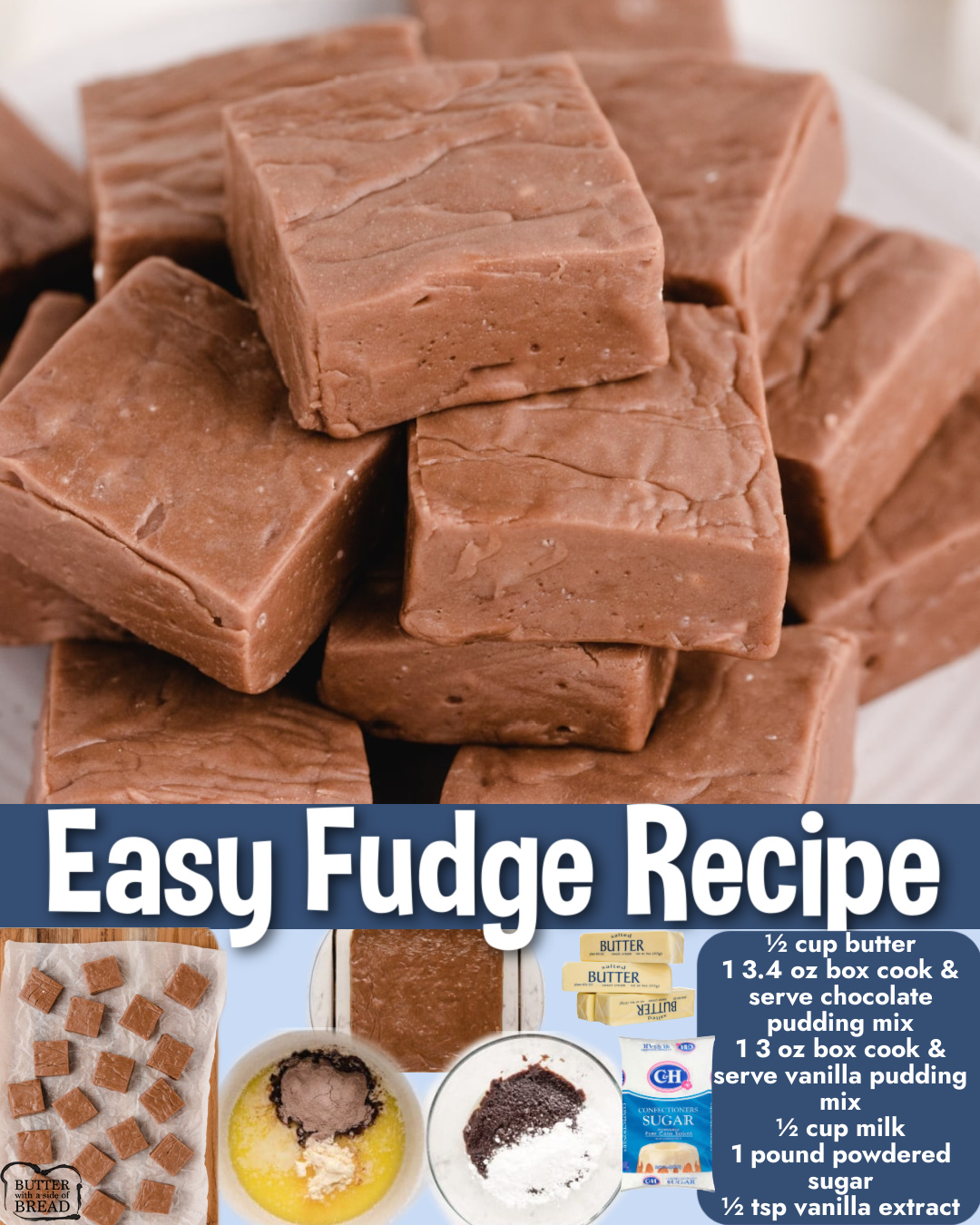
Adding the powdered sugar all at once is also a common issue. Doing so creates lumps that never fully dissolve, giving the fudge a gritty texture. Adding it gradually is the only way to get that perfect creamy bite. It takes a little extra stirring, but the payoff is absolutely worth it.
Lastly, don’t try to speed up the setting process by freezing the fudge. Freezing can change the texture, making it crumbly at the edges. Letting it set at room temperature keeps the fudge silky and soft with just the right amount of firmness.
Serving Suggestions
I like serving these fudge squares on a festive platter, especially around the holidays. Their smooth, glossy finish looks beautiful next to cookies and candies, and the soft texture offers a nice contrast to crunchier treats. This fudge also pairs wonderfully with hot cocoa or coffee, especially on cold evenings when you just want something indulgent.
If I’m making fudge for a party, I often cut the squares smaller because the flavor is rich and satisfying. Tiny bite-size pieces let people sample the fudge without feeling overwhelmed. I sprinkle a light dusting of cocoa powder or powdered sugar on top to make it look extra polished.
When serving this fudge as a homemade gift, I place several squares in a small tin or gift box lined with parchment. Fudge holds its shape well and doesn’t require refrigeration, so it’s easy to transport and hand out to friends, neighbors, or coworkers. Adding a little handwritten tag with the recipe always gets a smile.
For a dessert board, this fudge pairs beautifully with strawberries, salty pretzels, shortbread cookies, and toasted nuts. The sweet-salty contrast makes each bite feel even more exciting and balanced. It’s a simple way to elevate the fudge into a more elaborate dessert experience.
Variations & Customizations
One variation I absolutely love is stirring in mini chocolate chips right after mixing in the powdered sugar. The fudge is warm enough to soften the chips slightly, but not so hot that they melt completely. The semi-melty swirl effect looks gorgeous and adds bursts of chocolate in every bite.
I’ve also made this fudge with a swirl of peanut butter. After spreading the fudge into the dish, I spoon small dollops of creamy peanut butter on top and swirl it gently with a knife. The combination of chocolate and peanut butter tastes incredibly indulgent and always gets compliments.
For people who love crunch, adding chopped toasted nuts works beautifully. Pecans and walnuts are my two favorite choices because their earthy flavor balances the sweetness of the fudge. I fold the nuts in right after adding the powdered sugar, stirring just enough to distribute them evenly.
Another variation I’ve experimented with is peppermint fudge. By adding a few crushed candy canes and a tiny drop of peppermint extract, you can create a festive holiday version that tastes like chocolate peppermint bark in fudge form. It’s refreshing, sweet, and perfect for December celebrations.
How to Store, Freeze & Reheat
This fudge stores amazingly well. I keep it in an airtight container at room temperature for up to a week, and it stays soft and creamy the entire time. Refrigeration is optional but not required; if you do refrigerate it, the fudge becomes firmer but still delicious and easy to bite into.
If I want to store the fudge long-term, I freeze individual squares on a baking sheet first and then transfer them into a freezer-safe bag or container. Freezing prevents the pieces from sticking together, and the fudge can stay frozen for up to three months. When I want a piece, I simply thaw it at room temperature for about 10–15 minutes.
You don’t really “reheat” fudge, but if it becomes too firm after refrigerating, you can let it sit on the counter for a bit until it softens. I’ve also microwaved a piece for literally 3–5 seconds—not to melt it, but just to make it slightly softer if I’m impatient.
If you’re gifting or transporting the fudge, room-temperature storage works best. The texture remains consistent, and the fudge doesn’t sweat or soften the way some desserts do. I always separate layers with parchment paper to keep the pieces clean and pretty.
Nutrition Information
This fudge is definitely a treat, so I enjoy it in small pieces. The butter and sugar give it a dense, rich profile, making a little go a long way. Because the recipe uses pudding mix instead of heavy cream or condensed milk, the texture is lighter than traditional fudge while still giving you that satisfying creamy bite.
Each square is sweet and indulgent, so it’s perfect when you want something rich without needing a large portion. The powdered sugar does create a high carbohydrate content, but the recipe is straightforward and doesn’t include unnecessary additives or oils.
One thing I appreciate is that this fudge is actually less fatty than some stovetop fudge recipes that rely heavily on cream or chocolate chips. It’s still a dessert, but it feels less heavy on the palate. If you’re mindful of ingredients, you can control things like sodium by choosing low-sodium pudding mixes.
Overall, I think this fudge is a wonderful option when you want homemade candy without overthinking the nutritional details. It’s meant to be enjoyed, shared, and savored—especially during celebrations and holidays.
FAQ Section
Can I use instant pudding instead of cook-and-serve?
I’ve tried it, and unfortunately it doesn’t work. Instant pudding doesn’t thicken on the stove, and the fudge never sets properly. Always choose cook-and-serve for this recipe.
Can I make this fudge without vanilla pudding?
Yes, but the vanilla pudding adds balance and helps with texture. If you skip it, the fudge will be richer and slightly darker, but still delicious.
Why did my fudge turn grainy?
This usually happens when powdered sugar is added too quickly or not stirred in while the mixture is still hot. Adding it gradually and stirring thoroughly prevents graininess.
Do I have to refrigerate the fudge to set it?
No, it sets perfectly at room temperature. Refrigerating it just makes cutting easier, but it’s not required for firmness.
Can I double this recipe?
Absolutely! I’ve doubled it before and poured it into a 9×13 pan. Just make sure your saucepan is large enough to handle the thicker mixture.
Conclusion
This Easy Fudge Recipe has become one of my go-to treats because it brings all the nostalgia and richness of traditional fudge without any of the stress. Every time I make it, I’m amazed by how something so simple can taste so luxurious. It’s the kind of recipe you keep forever, pass along to friends, and pull out whenever you want a guaranteed crowd-pleaser. I hope this fudge brings as much joy to your kitchen as it continues to bring to mine.