
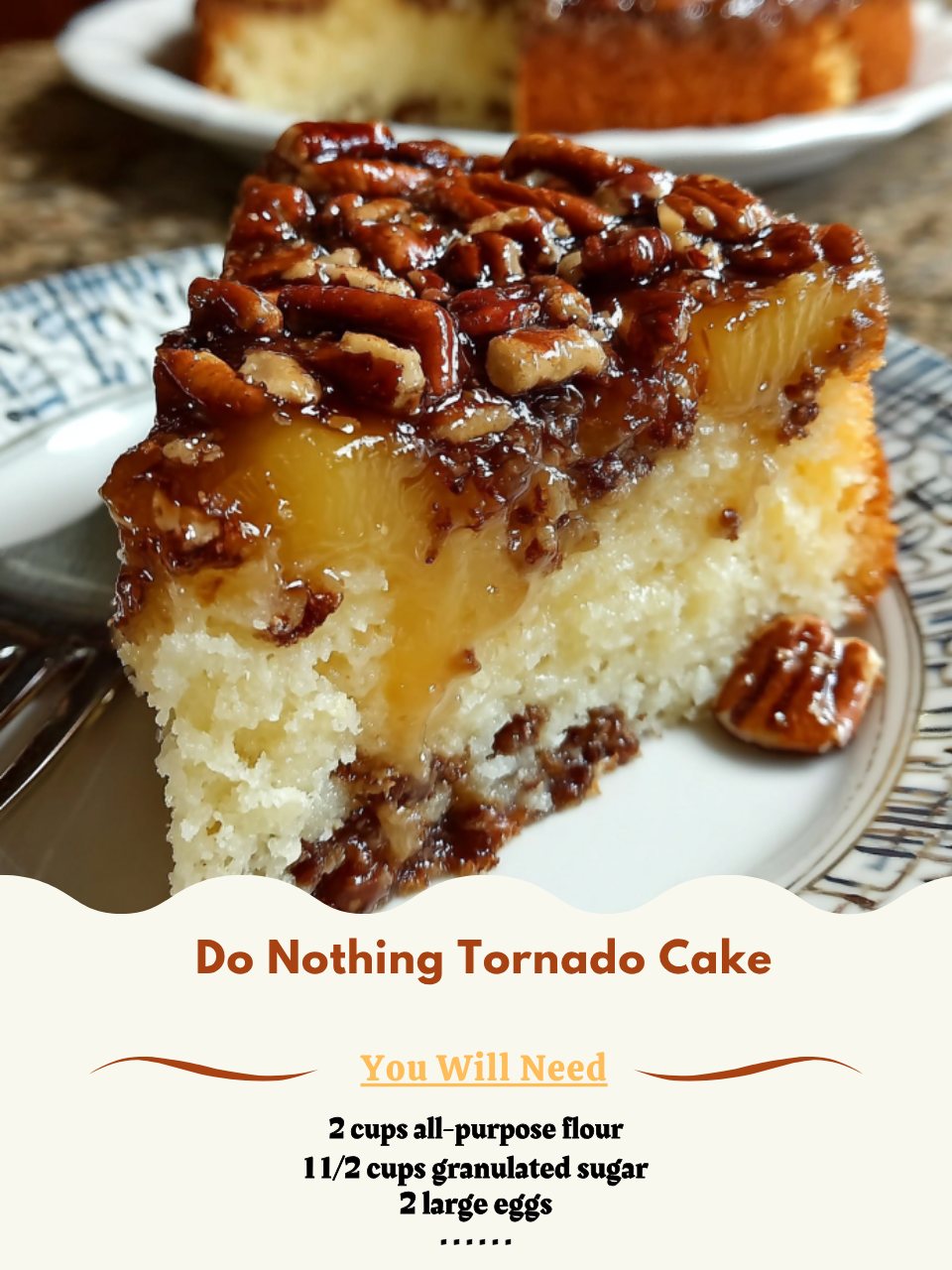
You’ll know it’s done when the top is golden brown and a toothpick inserted into the cakey top layer comes out clean. Remove it from the oven and let it cool in the pan on a wire rack for at least 20-30 minutes. This cooling period is crucial for the sauce to set slightly. When you’re ready to serve, scoop from the pan, flipping each serving upside-down onto a plate so the saucy, coconut-nut layer is on top. It’s a warm, sticky, irresistible mess.
Pro Tips for Best Results
The type of baking dish matters. I’ve tested this in metal, glass, and ceramic. A glass or ceramic dish conducts heat more gently and evenly, which gives the topping ample time to sink and swirl properly. A dark metal pan can cause the edges to set too fast, inhibiting the “tornado” effect and potentially burning the edges of the sauce.
When distributing the butter-brown sugar topping, don’t be timid. Use a teaspoon and make small, frequent dollops all over the surface. I tried dumping it in the center once, and it didn’t disperse well, leaving one area overly saucy and another too dry. The more evenly you dot it, the more uniform your magic sauce layer will be.
Resist the urge to overbake. Because the sauce is on the bottom, the top of the cake can look and feel done before the sauce has properly bubbled and set. The true test is a golden top and the edges pulling slightly away from the pan. If you overbake it, the sauce can harden into a toffee-like layer instead of remaining lusciously gooey.
Common Mistakes to Avoid
Do not, under any circumstances, grease the baking pan. I made this mistake thinking it would help with cleanup. Instead, the cake couldn’t grip the sides to climb, and the butter in the pan caused the sauce to pool and fry around the edges. An ungreased pan is essential for the proper cake structure and sauce distribution.(See the next page below to continue…)