
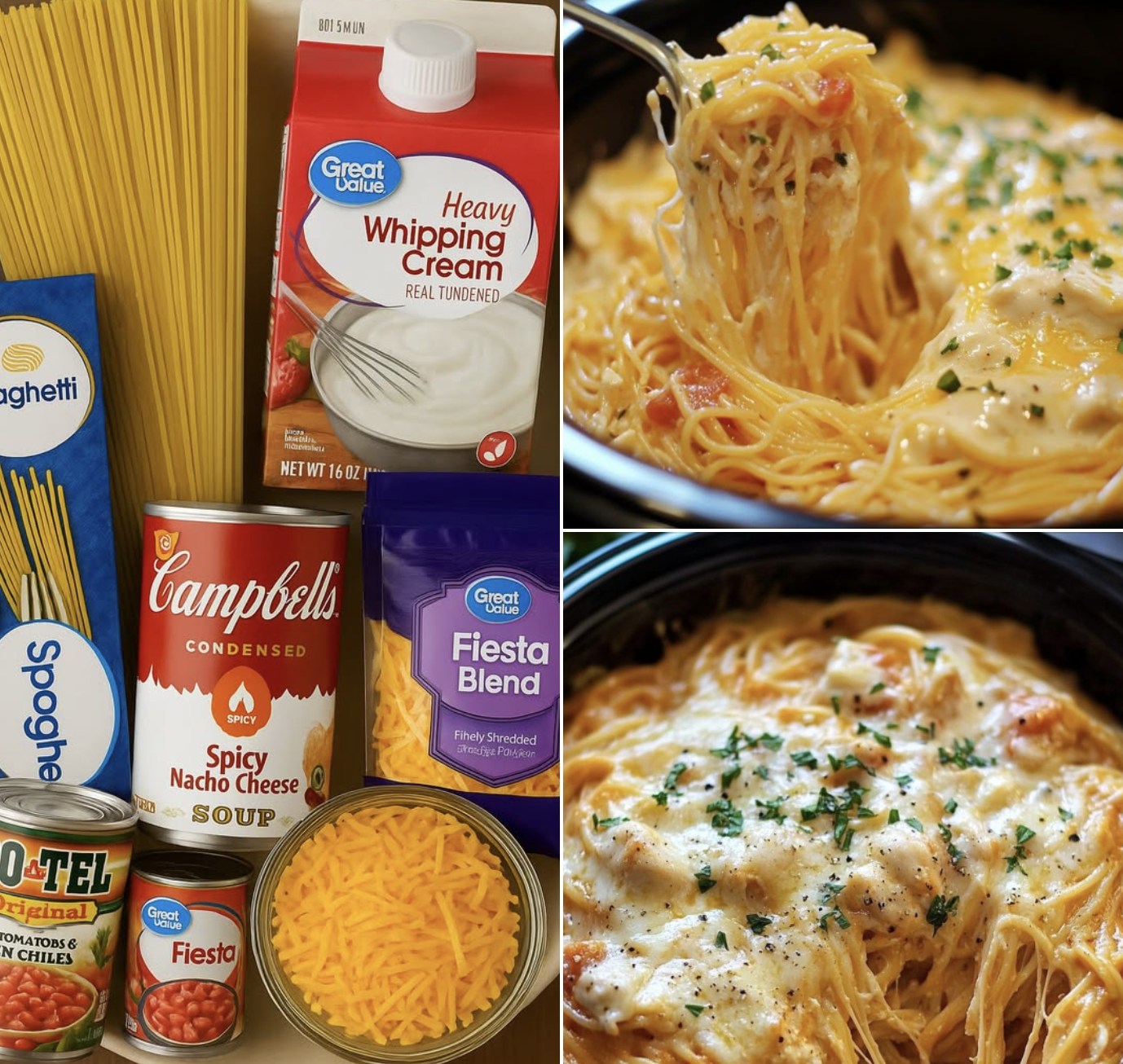
Replace the lid and cook on HIGH for an additional 30-45 minutes. This is crucial—you must check the pasta for doneness. Start checking at the 30-minute mark by tasting a strand. It should be al dente, tender but still with a slight bite. Once the pasta is cooked, sprinkle the remaining 1 cup of cheddar cheese over the top. Cover again and let it sit for 5-10 minutes, just until the cheese on top is melted. Give it one final gentle stir to combine everything into the creamiest, cheesiest pasta dish you’ve ever seen.
Pro Tips for Best Results
I tested the pasta addition three different ways: cooking it separately and adding it at the end, adding it raw at the beginning, and adding it raw for the final 30-45 minutes. Adding raw, broken spaghetti for the last 30-45 minutes on HIGH is the absolute winner. Cooking it separately adds an extra pot and dilutes the sauce. Adding it at the beginning turns it to complete mush. The final high-heat cook allows the pasta to soak up the flavorful sauce while cooking to perfect tenderness.
Here’s what I learned the hard way about the cream cheese: if you don’t cut it into small cubes, it will sit on top of the chicken and sauce like a solid brick, refusing to melt properly. Small, ½-inch cubes are essential. They soften in the heat and melt seamlessly into the sauce when you stir in the pasta and chicken, creating that signature velvety texture without any lumps.
For the best flavor and texture, let the finished dish rest for 10-15 minutes after the final cook time before serving. This allows the sauce to thicken slightly and the flavors to settle. It will still be piping hot, but it will be creamier and less soupy. The resting time also makes it easier to scoop and serve neatly.
Common Mistakes to Avoid
My first batch was a watery soup because I didn’t break the spaghetti and I stirred it too much. Adding long, whole strands makes them hard to submerge, leading to uneven cooking. Gently stirring just once after adding the pasta ensures it cooks evenly without breaking. Also, avoid the urge to add extra broth or water—the pasta releases starch and the sauce thickens as it sits.(See the next page below to continue…)