
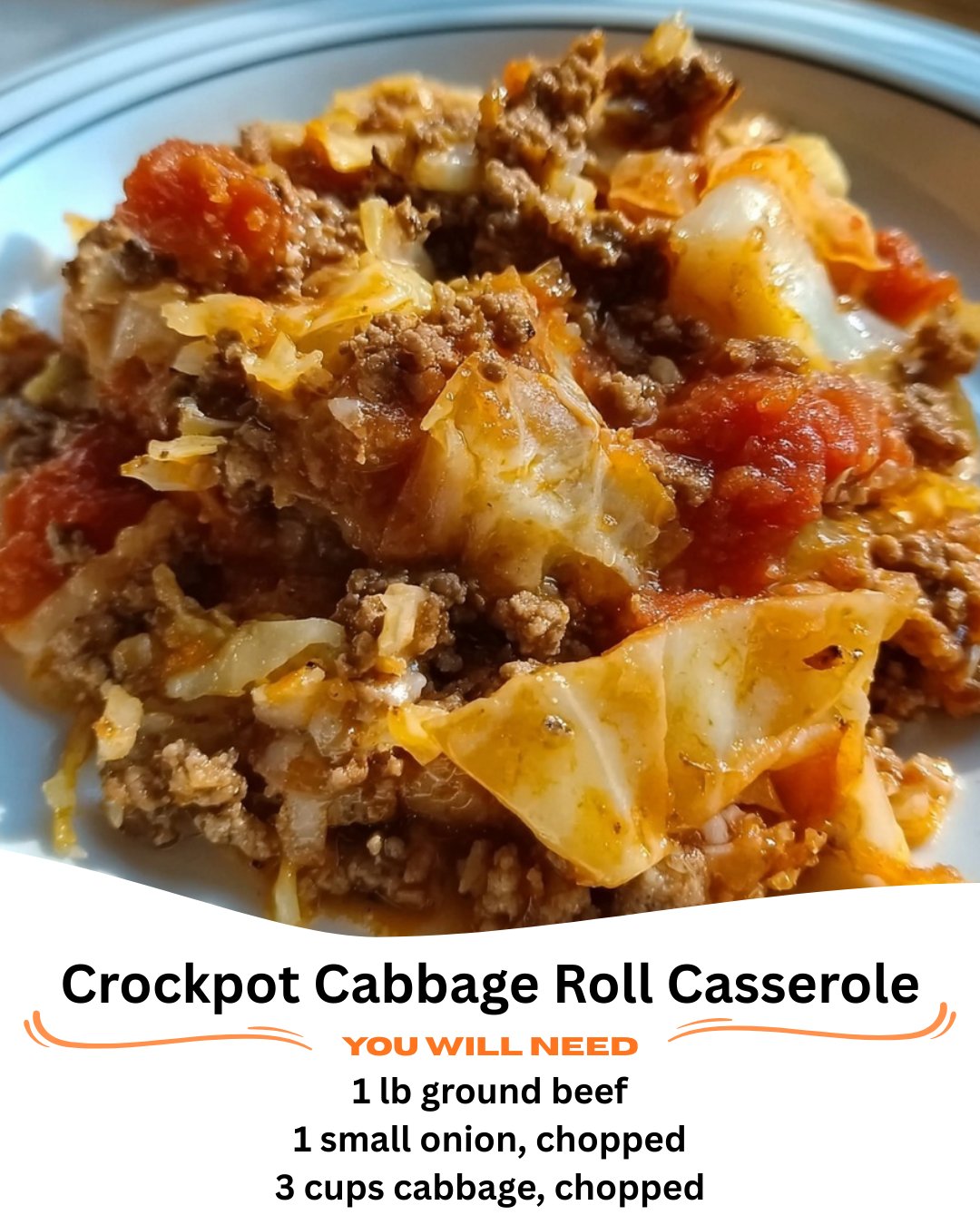
Another common error is not chopping the cabbage into large enough pieces. If you shred it too finely, it will completely disintegrate over the long cooking time. You want hearty, bite-sized pieces that will soften but still retain some texture and body, providing a satisfying contrast to the rice and beef.
Do not skip browning the beef. I tried a “dump” method once, adding raw beef to the cooker. The flavor was flat and the texture was oddly crumbly and greasy. Taking those 10 minutes to properly brown the meat and onions builds a flavor base that infuses the entire casserole. It’s the difference between good and great.
Finally, avoid adding salt until the end. The canned tomatoes, broth, and seasoned beef all contain salt. If you salt at the beginning, the flavors concentrate as the liquid reduces, and you can end up with an over-salted dish. Always taste and adjust the seasoning during that final stir before serving.
Serving Suggestions
I love serving this casserole right from the slow cooker, ladled into shallow bowls. It’s a complete meal on its own, but a side of crusty bread or fluffy dinner rolls is perfect for soaking up any extra sauce. A simple green salad or some steamed green beans on the side adds a fresh, crisp contrast.
For a fun, family-style presentation, I’ll set out bowls of toppings: extra shredded cheese, a dollop of sour cream, chopped fresh parsley, or even a sprinkle of red pepper flakes for those who like a little heat. Letting everyone customize their bowl makes dinner interactive and special.
My absolute favorite way to enjoy the leftovers is reheated for lunch the next day. The flavors have melded even more, and the texture is even more cohesive. Sometimes I’ll even fry up a couple of eggs and serve them over the top of the reheated casserole for a hearty brunch.
Variations & Customizations
For a different protein, ground turkey, pork, or a plant-based ground “meat” all work wonderfully. If using a lean protein like turkey, add a tablespoon of olive oil to the skillet when browning. You can also add a cup of sliced mushrooms or diced bell peppers to the beef as it browns for extra veggies.
To make it creamier, stir in 1/2 cup of sour cream during the last 30 minutes of cooking. For a smoky twist, use fire-roasted crushed tomatoes and add a teaspoon of smoked paprika. If you love spice, add a diced jalapeño with the onions or a teaspoon of crushed red pepper flakes to the sauce.
For a lower-carb version, you can omit the rice entirely. The casserole will be more soupy, but just as flavorful. To bulk it up without rice, add an extra cup of chopped cabbage and perhaps a can of drained and rinsed white beans or lentils.
How to Store, Freeze & Reheat
Once cooled, I store leftovers in an airtight container in the refrigerator for up to 4 days. The casserole holds up beautifully, and the flavors continue to develop. It will thicken as it chills, so you may want to add a splash of broth or water when reheating.
This casserole freezes exceptionally well for up to 3 months. Portion it into freezer-safe containers, leaving an inch of space for expansion. Thaw overnight in the refrigerator. The texture of the cabbage and rice may soften a bit more upon reheating, but the taste will still be fantastic.
To reheat, I prefer the stovetop. Gently warm it in a saucepan over medium-low heat, adding a little broth or water to loosen it up as needed, stirring occasionally. The microwave works for single portions—heat in 60-second intervals, stirring in between, until hot throughout.
Nutrition Information
Now, I’m no nutritionist, but from my own reading and experience, this casserole is a wonderfully balanced one-pot meal. The ground beef provides protein and iron, the cabbage is packed with vitamins C and K and fiber, and the tomatoes offer lycopene. The rice adds sustaining carbohydrates to keep you full.
It’s a hearty dish, so a serving is quite satisfying on its own. Using lean ground beef (90/10) or ground turkey can lower the fat content if you’re watching that. The cheese topping is optional but adds calcium and, of course, deliciousness.
As with any homemade meal, you control the sodium. Using low-sodium broth and no-salt-added canned tomatoes makes a big difference. I always taste before adding any extra salt at the end.
FAQ Section
Can I make this ahead of time?
Absolutely! You can assemble the entire casserole in the slow cooker insert the night before, cover it, and keep it in the fridge. In the morning, just place the insert into the base and start cooking. You may need to add 30 minutes to the cook time since it’s starting cold.
My rice is still hard after cooking. What happened?
This usually means there wasn’t enough liquid. All the rice grains need to be submerged. Next time, ensure the liquid fully covers the layers. If it happens, just stir in an extra 1/2 to 1 cup of hot broth and cook on HIGH for another 30-45 minutes.
Can I use brown rice instead?
You can, but it will require more liquid and a longer cooking time. I’d recommend using 2 cups of broth and extending the LOW cook time to 7-8 hours. The texture will be chewier, and you may need to check and add more liquid halfway through.
Conclusion
This Crockpot Cabbage Roll Casserole is my go-to recipe for delivering deep, homemade comfort with stunning ease. It’s a testament to the magic of the slow cooker and a celebration of humble ingredients coming together to create something truly special. I hope this recipe finds a cozy corner in your kitchen, bringing warmth, satisfaction, and happy, full bellies to your table for many seasons to come. It’s the kind of meal that feels like a loving tradition, even if it’s your very first time making it. Happy, easy cooking