
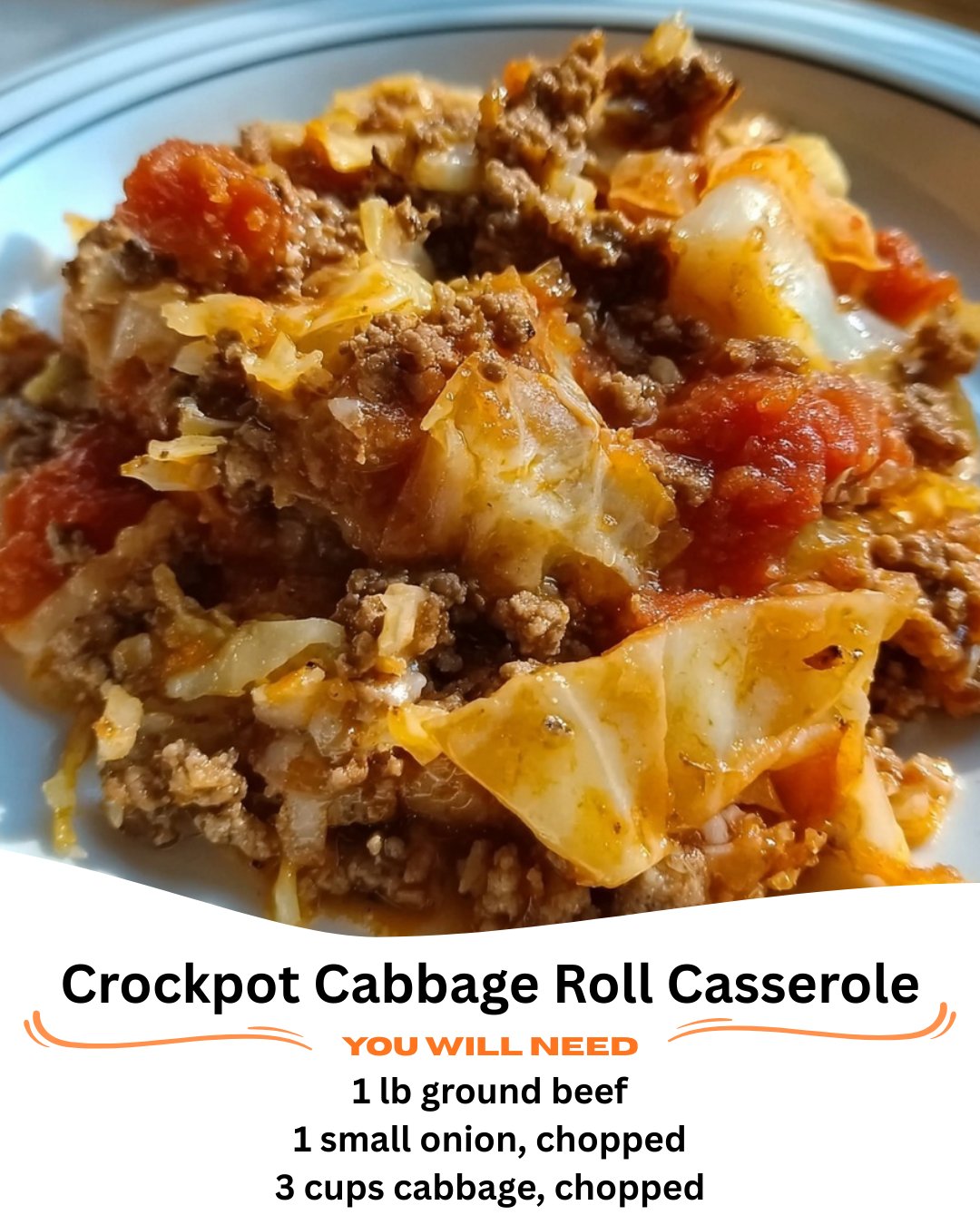
Equipment Needed
- 6-quart or larger slow cooker
- Large skillet
- Wooden spoon or spatula
- Sharp knife and cutting board
- Can opener
- Measuring cups and spoons
This recipe truly only needs a few basics. The large skillet is for browning the beef and onion, which I highly recommend doing first for maximum flavor. Your slow cooker is the star—a 6-quart size is ideal to hold all the layers without bubbling over. If you’re in a real pinch and don’t have a skillet, you can crumble the raw beef into the slow cooker, but browning it first is a game-changer for taste. I always use my wooden spoon for stirring; it’s gentle on the cooker’s ceramic liner.
Step-by-Step Instructions
I always start by browning the beef. In my large skillet over medium-high heat, I cook the ground beef with the chopped onion, breaking it up as it cooks. I let it get a nice sear in spots—that browned flavor is the foundation of the whole dish. Once the beef is no longer pink and the onions are soft, I drain off any excess grease. Then, I stir in the minced garlic and cook for just 30 more seconds until fragrant. That smell of garlic hitting the hot beef and onions is just heavenly and signals the start of something good.
While the beef is browning, I layer the other ingredients right into the bowl of my slow cooker. First, I spread the chopped cabbage evenly across the bottom—this will steam and become beautifully tender. Then, I sprinkle the uncooked rice evenly over the cabbage. In a medium bowl, I whisk together the crushed tomatoes, tomato sauce, beef broth, and all the dried herbs and spices (parsley, oregano, paprika, pepper, and the bay leaf). I pour about half of this tomato mixture over the rice and cabbage layer.
Next, I add the browned beef and onion mixture on top, spreading it out into an even layer. Then, I pour the remaining tomato mixture over everything, making sure the rice is fully submerged in liquid. This is important! If the rice isn’t covered, it won’t cook properly. I give the pot a gentle side-to-side shake to settle the liquids, but I don’t stir. Layering is key here; it allows the cabbage to steam, the rice to cook evenly, and the flavors to meld.(See the next page below to continue…)