
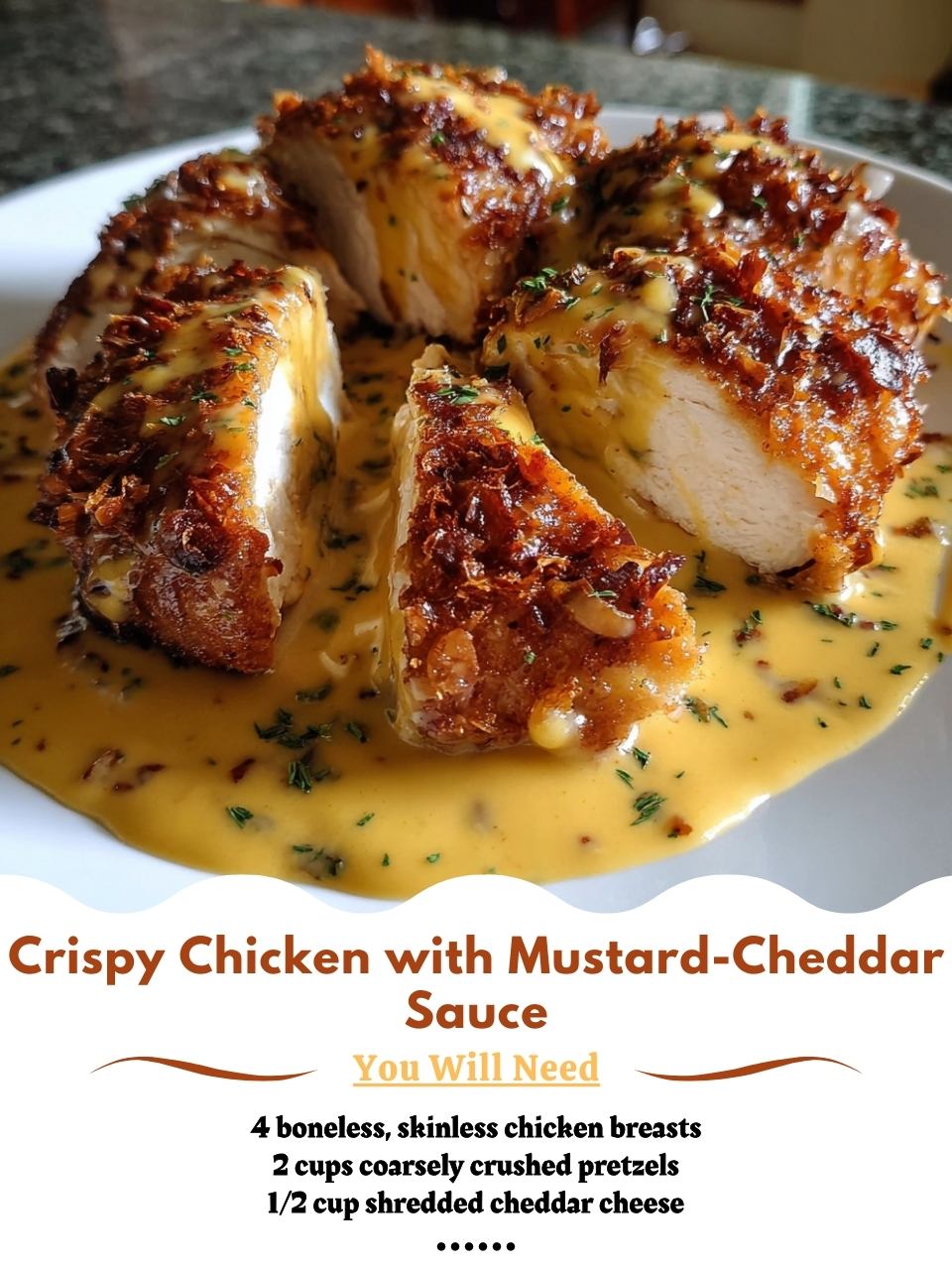
About 10 minutes before the chicken is done, I make the sauce. In a medium saucepan over medium heat, I melt the tablespoon of butter. I whisk in the tablespoon of flour and cook, stirring constantly, for about 1 minute until it’s bubbly and smells a bit nutty—this is a roux, and it’s the thickening base. I slowly pour in the milk, whisking constantly to prevent lumps. I let it simmer for 2-3 minutes until it thickens enough to coat the back of a spoon. I then remove it from the heat and stir in the shredded cheddar, whole grain mustard, Worcestershire sauce, and a pinch of cayenne until the cheese is fully melted and the sauce is smooth and glorious.
Pro Tips for Best Results
Pounding the chicken evenly is the single most important tip for success. I tested this three different ways: not pounding, pounding unevenly, and pounding to a uniform ½-inch. The uniform pieces cooked perfectly in sync, with a crispy crust and juicy interior. The unpounded ones had a raw, thick center by the time the crust was properly browned. It takes two extra minutes and makes all the difference in the world.
For the crispiest pretzel crust, don’t skip the step of tossing the crumbs with oil or melted butter before breading. I tried it both with dry crumbs and with oiled crumbs. The oiled crumbs baked up much crispier and more golden, while the dry crumbs had a tendency to taste a bit dry and pale. The fat helps them toast and crisp in the oven’s heat, mimicking the effect of frying.
Make your sauce at the very end and serve it immediately. A cheese sauce is best when fresh. If you make it too early, it will continue to thicken and can become gloppy. If it does get too thick while you’re waiting for the chicken, you can whisk in a splash of warm milk to loosen it back up. Also, take the sauce off the heat before adding the cheese. Adding cheese to a boiling sauce can cause it to break and become oily.
Common Mistakes to Avoid
The first mistake I made was not drying the chicken thoroughly. Any surface moisture creates a barrier that makes the initial flour coating slide right off, leading to patchy, uneven breading. Now, I pat my chicken aggressively with paper towels until the surface is completely dry. This gives the flour something to grab onto, creating a stable foundation for the entire crust.(See the next page below to continue…)