
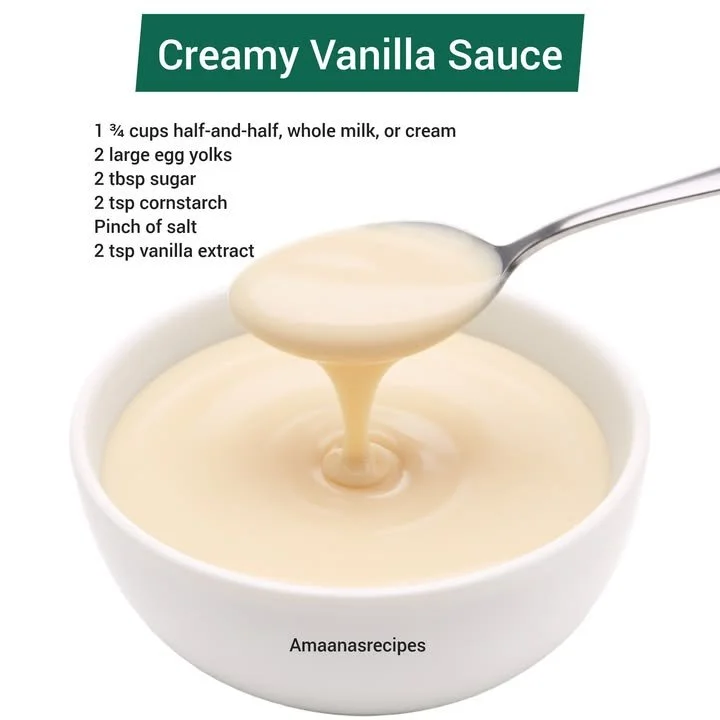
Next, I keep whisking as I turn the heat to medium-low, allowing the mixture to come to a gentle simmer. This step is crucial; I carefully watch for small bubbles around the edges to ensure I don’t let it boil. As it simmers, I add the butter and stir until it melts beautifully into the sauce. The sight of that golden butter melting transforms the mixture into pure magic!
After about 5-7 minutes of simmering, I remove the saucepan from the heat. Now comes the star of the show—the vanilla extract! I mix it in, letting the flavors meld together. The aroma at this point is irresistible; it smells like a bakery on a busy morning! I let the sauce cool slightly before transferring it to a jar, where it thickens up as it cools.
The sauce can be served warm or chilled, depending on your preference. I’ve found that it thickens as it cools in the fridge, which makes it even creamier for drizzling over desserts or breakfast items. The texture is luxurious and velvety, and I can hardly wait to dig in!
Pro Tips for Best Results
I tested this recipe three ways to ensure you get the best results every time. First, I found that using fresh vanilla beans instead of extract brings an incredible depth of flavor. If you can find them, they truly elevate the sauce!
Another tip is to monitor the heat closely. Cooking it on too high a heat may cause it to separate or curdle, which is not what you want. I learned this the hard way during my recipe development, and now I always keep the heat at medium-low for that perfect creamy texture.
Lastly, if you want an even sweeter sauce, you can play around with the sugar. I occasionally swap in brown sugar for a hint of caramel flavor that pairs wonderfully with autumn desserts. Your taste buds will thank you for this variation!
Common Mistakes to Avoid
One of the most common mistakes I’ve made is not whisking the sugar into the cream thoroughly. If the sugar isn’t fully dissolved before you start to heat the mixture, it can result in a grainy texture. So, take your time with this step; it truly is worth it. (See the next page below to continue…)