
Overcooking the garlic is a quick way to ruin your sauce base. Garlic can go from golden and fragrant to burnt and bitter in seconds. I keep the heat at a steady medium and stir constantly. As soon as I can smell its aroma strongly (usually around 60 seconds), I immediately add the tomatoes to stop the cooking process. This ensures a sweet, mellow garlic flavor throughout the sauce.
Skipping the step of simmering the tomato sauce before adding the cream is another pitfall. If you add the cream right after the tomatoes, the sauce can taste raw and acidic. That 10-15 minute simmer cooks out the tinny taste from the canned tomatoes and allows the oregano to bloom, creating a deeper, richer base for the cream to meld into. It’s a short wait for a big flavor payoff.
Forgetting to salt your pasta water adequately is a cardinal sin in my kitchen. The pasta is a major component of this dish, and seasoning it from the inside out is essential. Your water should taste salty, like mild seawater. This is the foundation of flavor that ensures your final dish is perfectly seasoned, not just salty on the outside. I learned this lesson with a very bland batch of pasta early in my cooking journey.
Serving Suggestions
I love serving this pasta straight from the skillet, family-style, with a big green salad on the side. A simple arugula salad with a lemon vinaigrette is my go-to because the peppery greens and bright acid cut through the richness of the creamy sauce perfectly. It makes the meal feel balanced and complete without any extra fuss.
For a true Italian trattoria experience, I’ll serve it with a side of warm, crusty garlic bread or focaccia. There’s nothing better than using a piece of bread to swoop up every last bit of sauce from the bowl. A light, crisp white wine like a Pinot Grigio or Sauvignon Blanc pairs beautifully, lifting all the flavors and making a simple Tuesday night feel like a celebration.
This pasta is also fantastic on its own as a luxurious meatless main. I’ll sometimes add a simple protein on the side, like grilled chicken or shrimp, for those who want it, but I find it’s so satisfying that it hardly needs anything else. For a casual dinner with friends, it’s always a crowd-pleaser and sparks the happiest conversation.
Variations & Customizations
This recipe is wonderfully adaptable. For a richer, umami-packed version, I’ll sometimes stir in a tablespoon of tomato paste with the garlic and let it cook for a minute before adding the crushed tomatoes. It deepens the color and flavor beautifully. You can also add a handful of baby spinach or chopped kale in the last minute of cooking for a pop of color and greens.
If you love protein, this pasta welcomes it. I’ve added cooked Italian sausage, ground beef, or even chickpeas for a heartier meal. For a seafood twist, adding a handful of shrimp or scallops in the last few minutes of cooking is divine. Just sear them quickly in the pan before you start the sauce, remove them, and stir them back in with the mozzarella at the end.
For a different cheese profile, try substituting half of the fresh mozzarella with a spoonful of ricotta or a sprinkle of grated Parmesan stirred into the sauce with the cream. The Parmesan adds a salty, nutty depth. A friend of mine swears by adding a few sun-dried tomatoes along with the crushed tomatoes for an extra tangy, concentrated tomato punch.
How to Store, Freeze & Reheat
Leftovers can be stored in an airtight container in the refrigerator for up to 3 days. The sauce will thicken considerably as it chills. When reheating, I do it gently on the stovetop over low heat, adding a splash of milk, cream, or even a little broth to loosen the sauce back up. Stir frequently to prevent the dairy from separating. The mozzarella will melt again, though it won’t be quite as pristine as the first time.
You can freeze the sauce (without the pasta) for up to 2 months. I let the tomato-cream sauce cool completely, then freeze it in a sealed container. To use, I thaw it overnight in the fridge and then reheat it gently on the stove, stirring in a little fresh cream to refresh the texture before tossing with freshly cooked pasta and fresh mozzarella. I don’t recommend freezing the pasta itself, as it becomes mushy upon thawing.
The microwave is the trickiest method for reheating, as it can cause the cream to separate. If you must use it, do so at 50% power in short intervals, stirring well between each burst, and add a teaspoon of water or cream to help emulsify the sauce again. The stovetop method is always superior for preserving the creamy, luxurious texture we worked so hard to create.
Conclusion
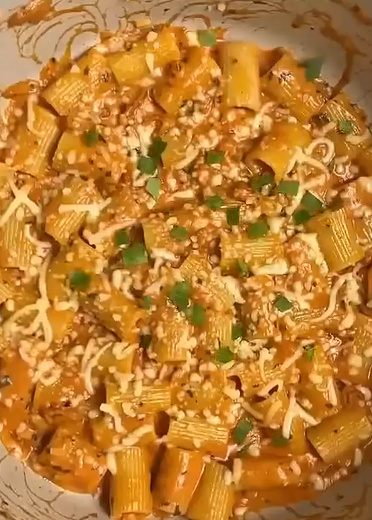
This Creamy Tomato & Mozzarella Pasta is more than just a recipe; it’s my reliable source of weeknight joy and culinary comfort. It proves that a handful of simple ingredients, treated with a little care, can create something truly spectacular. I hope this dish finds its way into your regular rotation and brings as much warmth and satisfaction to your table as it has to mine. Here’s to simple, soul-satisfying cooking that feels like a celebration, any night of the week.