
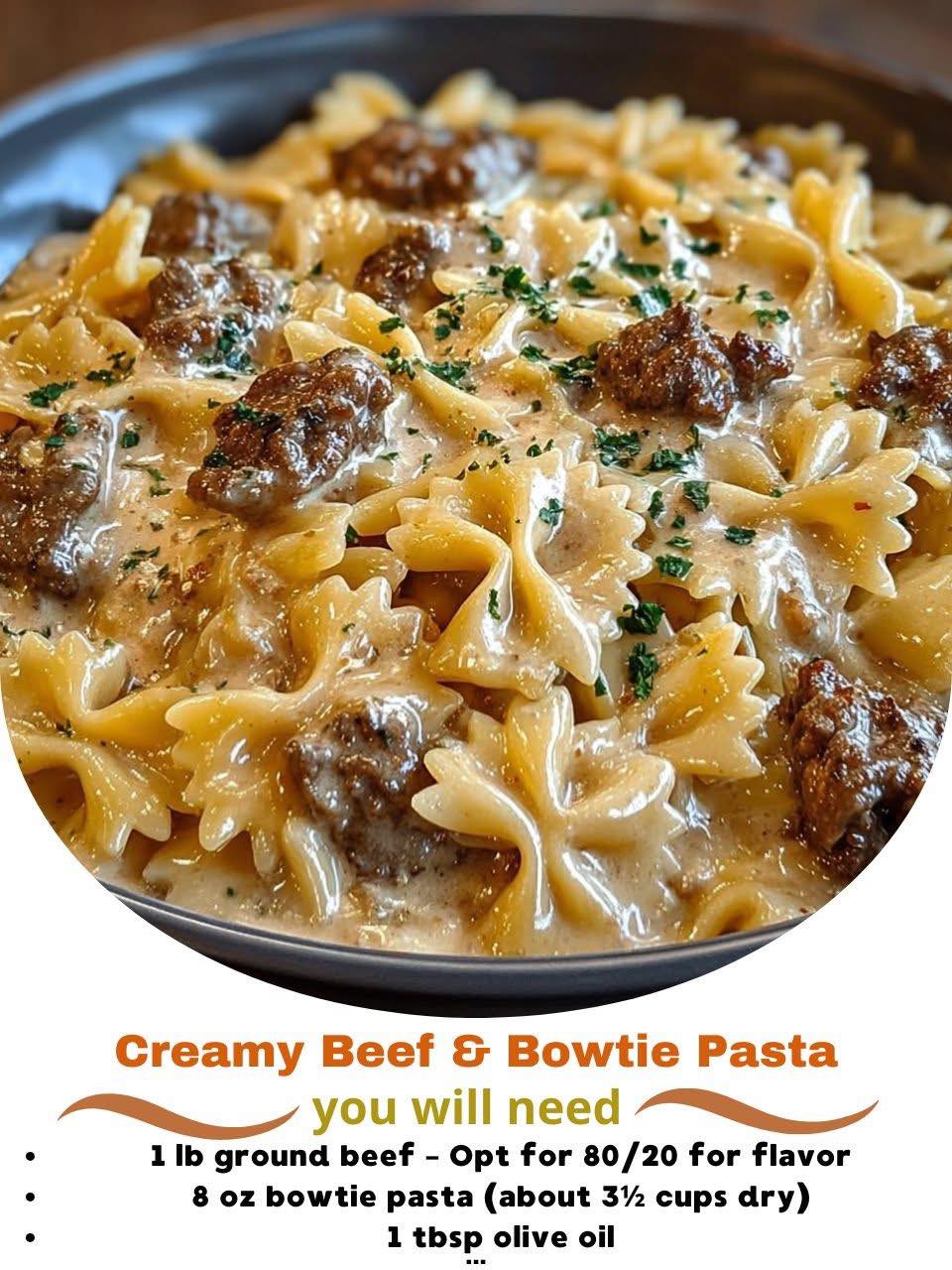
Finally, I turn off the heat. This is important: always turn off the heat before adding the cheese to prevent it from separating. I stir in the grated Parmesan until it’s melted and silky. Then, I add the drained bowtie pasta and half of the chopped parsley to the skillet. I toss everything together until every piece of pasta is luxuriously coated. If the sauce seems too thick, I add a splash of the reserved pasta water, a tablespoon at a time, until it reaches the perfect, creamy consistency. I give it a final taste and season with salt and plenty of black pepper.
Pro Tips for Best Results
To ensure your sauce is perfectly smooth and lump-free, temper your cream. Instead of pouring cold cream directly into the simmering broth, I ladle a little of the hot broth into the measuring cup with the cream to warm it up first. Then, I stir the warmed cream mixture back into the skillet. This prevents the cream from seizing or curdling and creates the smoothest possible sauce.
I’ve tested the pasta cooking method three different ways: cooking it fully in the water, cooking it al dente and finishing in the sauce, and cooking it directly in the sauce. The al dente finish is the clear winner. The pasta absorbs the flavor of the sauce and finishes cooking to perfection, while the starch released in the last minutes of cooking helps bind the sauce to the pasta.
For a deeper, richer flavor, use a splash of dry white wine. After cooking the garlic, I’ll deglaze the pan with about ¼ cup of wine, letting it simmer until reduced by half before adding the flour. This adds a lovely complexity that cuts through the richness. It’s a small step that makes it taste truly restaurant-quality.
Common Mistakes to Avoid
My biggest first-time mistake was adding cold dairy to a boiling sauce. I poured the cream straight from the fridge into the hot pan, and the temperature shock caused the sauce to break and look slightly grainy. Don’t do what I did! Always let your cream sit out for 15 minutes to take the chill off, or use the tempering method I mentioned above.(See the next page below to continue…)